
 EN
EN

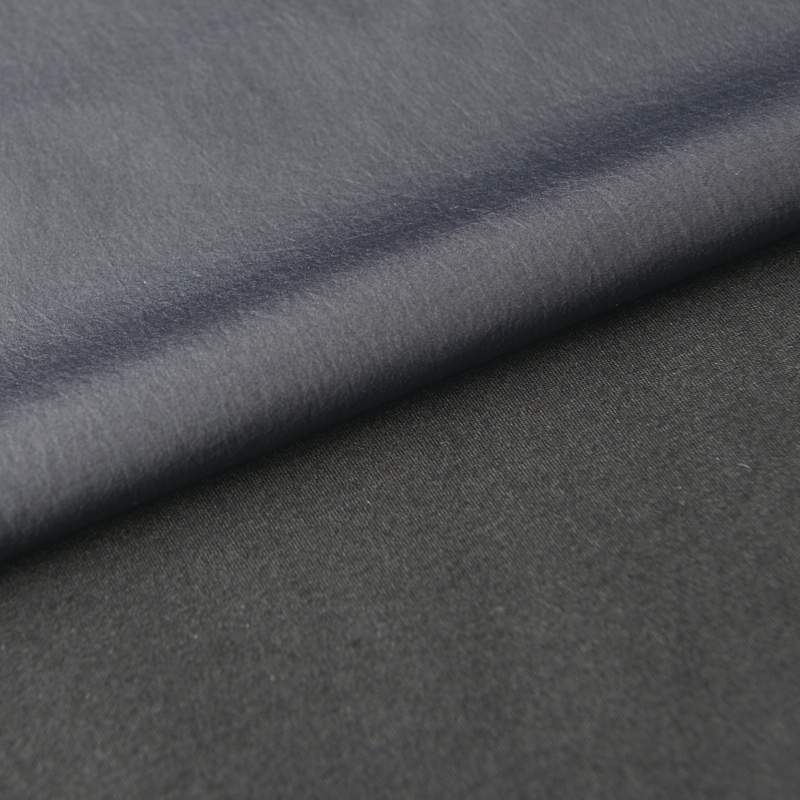
When athletes push their limits, the fabric against their skin makes a real difference. Choosing the right breathable training gear is not just about comfort — it directly affects endurance, recovery speed, and performance output. Yet many athletes select breathable training gear based on appearance or brand familiarity rather than understanding the actual breathability metrics that determine how well a fabric performs under physical stress.
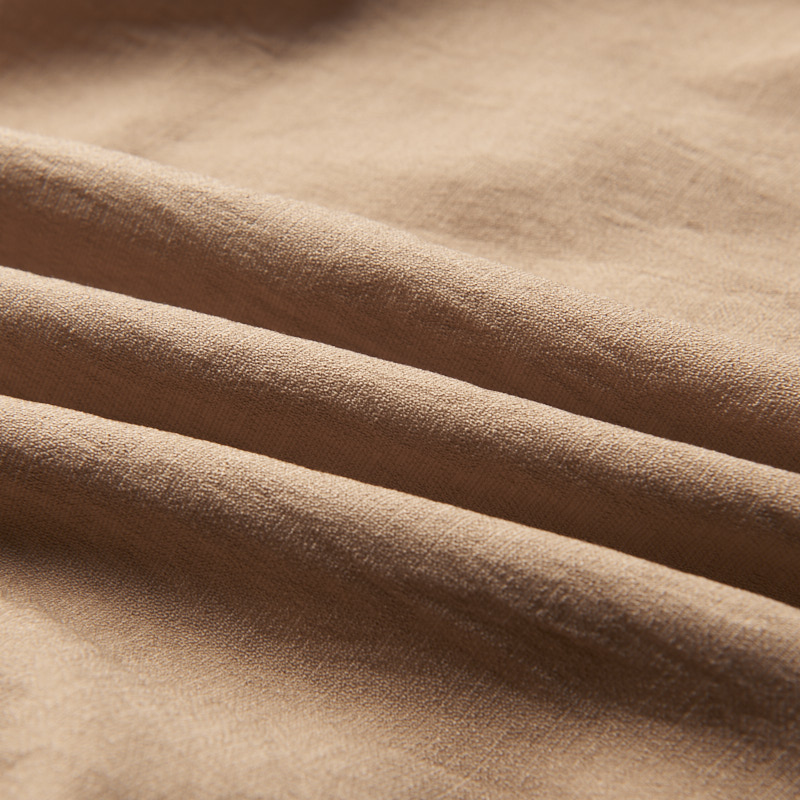
Understanding breathability metrics helps athletes make smarter purchasing decisions and ensures their breathable training gear genuinely supports their physical goals. Whether you are training at high intensity outdoors or working through long sessions in a gym environment, the right breathable training gear should regulate heat, move moisture efficiently, and allow your body to function at its best. This article breaks down the core metrics athletes should evaluate when selecting breathable training gear for any discipline.
Core Breathability Metrics That Define Breathable Training Gear
Moisture Vapor Transmission Rate
The moisture vapor transmission rate, commonly referred to as MVTR, is one of the most important metrics in breathable training gear evaluation. MVTR measures how much water vapor passes through a fabric per square meter over a 24-hour period. High-performance breathable training gear typically achieves an MVTR above 5,000 grams per square meter per day, while elite-level breathable training gear used in endurance sports can reach values exceeding 15,000 grams per square meter per day. Athletes should look for this figure on technical product specifications when assessing breathable training gear quality.
A higher MVTR indicates that breathable training gear is more effective at releasing the sweat vapor your body produces during exercise. This prevents the accumulation of heat and humidity inside the garment. When breathable training gear has a low MVTR, the trapped moisture creates a damp, uncomfortable microclimate that slows thermoregulation and increases fatigue. Athletes in hot or humid conditions should prioritize breathable training gear with the highest MVTR ratings available.
Air Permeability and Fabric Weave Structure
Air permeability is another essential metric for breathable training gear. It measures the volume of air that can pass through a fabric under a standard pressure differential, expressed in cubic centimeters per second per square centimeter. Open-weave or mesh-structured breathable training gear typically scores higher in air permeability, making it suitable for high-intensity workouts where ventilation is critical. Athletes who train in warm environments benefit most from breathable training gear with elevated air permeability values.
The weave structure of breathable training gear plays a direct role in this measurement. Loosely constructed fabrics or those incorporating strategic mesh panels allow greater airflow. However, athletes should balance air permeability with protection needs, as breathable training gear designed for outdoor or contact sports may require tighter constructions that slightly reduce airflow while improving durability and coverage.
Moisture Management Performance in Breathable Training Gear
Wicking Rate and Moisture Spread
Moisture wicking refers to how quickly breathable training gear moves sweat away from the skin to the outer fabric surface where it can evaporate. The wicking rate is typically measured in seconds or minutes — the faster the score, the better the breathable training gear performs during intense activity. Athletes should evaluate breathable training gear that demonstrates both a fast initial wicking response and an efficient lateral spread, which distributes moisture over a wider surface area to accelerate evaporation.
Breathable training gear made from treated synthetic fibers or naturally moisture-responsive materials such as rayon-based blends tends to perform well in this category. The surface treatment of breathable training gear also matters — moisture-management finishes applied to the fabric interior can significantly improve wicking performance without altering the garment's external appearance. Athletes evaluating breathable training gear should request wicking performance data whenever possible.
Drying Time and Residual Moisture Content
Drying time is a practical metric that tells athletes how long breathable training gear retains absorbed moisture before returning to a dry state. Breathable training gear with fast drying times reduces discomfort during rest intervals, minimizes chafing, and lowers the risk of skin irritation during long training sessions. Residual moisture content, expressed as a percentage, measures how much water remains in breathable training gear after a standard drying period. Lower residual moisture content indicates superior breathable training gear performance.
Fit, Construction, and Long-Term Breathability in Training Gear
Seam Placement and Ventilation Zone Design
Beyond fabric metrics, the physical construction of breathable training gear determines how well theoretical breathability translates into real-world comfort. Strategic ventilation zones — often placed at the underarms, back, and inner thighs — enhance airflow precisely where the body generates the most heat. Athletes selecting breathable training gear should look for garments where ventilation zones align with the body's primary heat-release areas. Flatlock or bonded seam construction in breathable training gear also reduces friction and prevents moisture from pooling at seam lines.
Fabric Weight and Its Effect on Breathability
Fabric weight, measured in grams per square meter (GSM), directly influences the breathability and overall feel of breathable training gear. Lightweight breathable training gear in the range of 100 to 150 GSM generally offers superior airflow and comfort for warm-weather or high-intensity training. Heavier breathable training gear above 200 GSM may provide more structure and durability but can compromise airflow. Athletes should match the GSM of their breathable training gear to their specific training environment and intensity level to achieve the best combination of breathability and function.
FAQ
What is the most important breathability metric for breathable training gear?
The MVTR is widely considered the most critical metric for breathable training gear. It directly measures how effectively the fabric releases moisture vapor, which is the primary driver of thermal comfort during exercise. Athletes should prioritize breathable training gear with high MVTR values for intense or hot-weather training.
Does fabric material affect breathability in training gear?
Yes, fabric material significantly affects how breathable training gear performs. Natural fibers such as rayon and bamboo offer inherent moisture responsiveness, while synthetic fibers like polyester can be engineered with moisture-management treatments to match or exceed natural fiber performance. The best breathable training gear often combines material properties with smart construction techniques.
How often should athletes replace breathable training gear?
Breathable training gear loses performance over time as moisture-management treatments wash out and fabric structures degrade. Athletes who train frequently should evaluate their breathable training gear every six to twelve months. Signs that breathable training gear needs replacing include slower drying times, persistent odors, and visible fabric pilling that disrupts airflow through the weave.