
 EN
EN

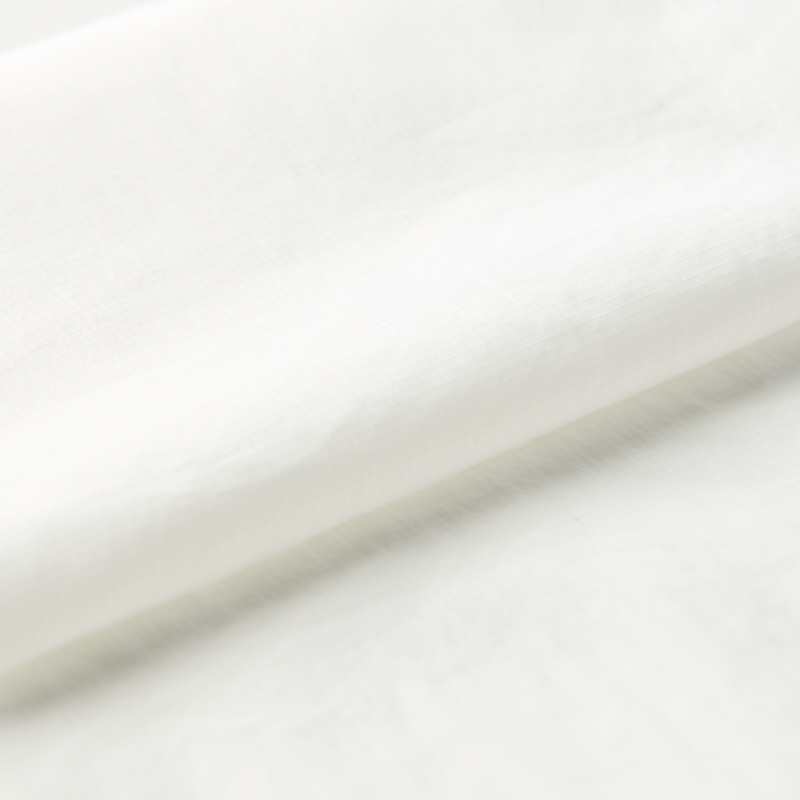
When building a high-performance insulation system, the outer shell material plays a defining role in how well the product retains its thermal value over time. A downproof textile is specifically engineered to prevent fine down fibers and synthetic fill from migrating through the fabric structure, keeping the insulation layer intact and evenly distributed. Without this containment function, even the highest-quality fill materials will shift, clump, and ultimately fail to deliver consistent warmth.
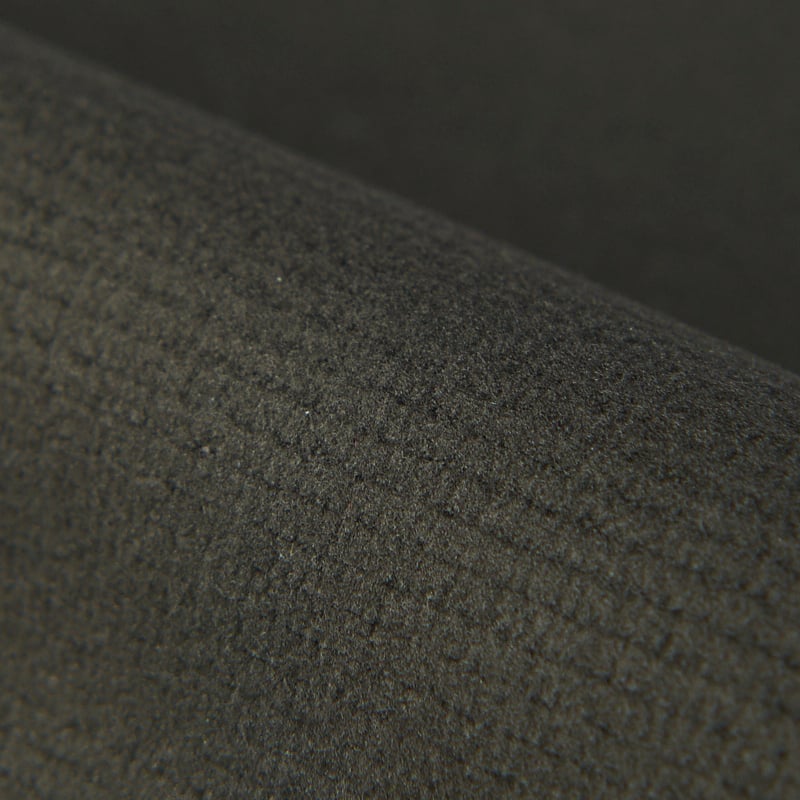
The relationship between downproof textile and insulation system integrity goes far beyond simple containment. A properly selected downproof textile manages airflow resistance, structural stability, and fill distribution simultaneously. Each of these factors contributes directly to how well an insulation system performs under real-world conditions — from repeated compression during transport to sustained mechanical stress during daily use. Understanding how downproof textile reinforces each layer of insulation performance helps manufacturers and product developers make more informed material decisions.
The Structural Role of Downproof Textile in Fill Containment
Fiber Barrier and Pore Geometry
The primary mechanism by which downproof textile reinforces insulation integrity is through precise pore geometry control. Down and synthetic fill fibers are extremely fine, and even a fabric with a dense weave can allow migration if pore sizes are not tightly managed. A high-quality downproof textile is constructed with a weave density and yarn count that physically blocks fill passage without creating an overly rigid or heavy shell. This balance is critical — too open and fibers escape; too closed and the fabric becomes impractical for lightweight insulation applications.
Downproof textile manufacturers achieve the necessary barrier performance through a combination of tight weave structures and finishing treatments such as calendering or coating. Calendering compresses the yarn intersections, effectively closing micro-gaps that would otherwise allow fine fibers to work their way through the fabric face under repeated flexing. When downproof textile maintains this pore geometry throughout the product's lifespan, the insulation layer retains its original loft and distribution, directly supporting long-term thermal performance.
Resistance to Fill Migration Under Mechanical Stress
Insulation systems are subjected to significant mechanical forces during normal use — compression, stretching, twisting, and abrasion all act on the shell fabric repeatedly. Downproof textile must retain its containment properties under these conditions, not just when the product is new. A downproof textile that loses its pore integrity after repeated washing or compression cycles will allow fill to migrate toward seams and edges, creating cold spots that compromise the entire insulation system.
This is why durability testing specific to downproof textile performance is a standard requirement in professional product development. Tests such as the downproof test or fill-power retention assessments simulate mechanical stress to verify that the downproof textile will maintain its barrier function across the expected product lifecycle. Selecting a downproof textile with verified durability under stress ensures the insulation system remains structurally sound well beyond initial use.
How Downproof Textile Supports Thermal Efficiency
Loft Maintenance and Air Trapping
Thermal insulation works by trapping still air within the fill layer. The loft — the volume of the fill — directly determines how much air is trapped and therefore how much warmth is retained. Downproof textile plays a critical supporting role in loft maintenance by keeping fill fibers in their designed position rather than allowing them to compress permanently or migrate out of baffled zones. When downproof textile holds fill in place, each baffle or channel retains its intended air volume, and the insulation system delivers consistent thermal performance across the entire product surface.
A downproof textile with low air permeability also contributes to thermal efficiency by limiting convective heat loss through the shell. When wind or body movement pushes air through a shell fabric with high permeability, the still-air layer within the fill is disrupted, reducing its insulating value. Downproof textile with controlled air permeability acts as a secondary thermal barrier, reinforcing the fill's ability to maintain a stable warm-air layer close to the body or within the product structure.
Even Fill Distribution Across Insulation Zones
Insulation products are often designed with multiple zones, each requiring a specific amount of fill to achieve the target warmth level. Downproof textile prevents cross-zone fill migration, ensuring that each zone retains the correct fill weight throughout the product's life. Without reliable downproof textile performance, fill migrates from lighter zones to heavier-use areas, creating imbalances that degrade the overall insulation system design. This is particularly important in sleeping bags, technical outerwear, and quilted blankets where zone-specific thermal performance is a core product requirement.
Downproof Textile Selection and Insulation System Compatibility
Weight, Softness, and Functional Balance
Selecting the right downproof textile for an insulation system requires balancing containment performance with practical fabric properties. A downproof textile used in lightweight technical outerwear must deliver reliable fill containment while remaining light, packable, and soft against adjacent layers. Heavier downproof textile constructions may offer superior barrier performance but add unnecessary weight that contradicts the product's performance objectives. Understanding the full requirements of the insulation system allows designers to specify a downproof textile that reinforces integrity without compromising overall product function.
Bonded and laminated downproof textile options offer an additional approach, combining a downproof textile face with a functional backing to enhance durability, moisture management, or structural stability. These constructions are particularly useful in applications where the downproof textile must also support other functional requirements beyond fill containment. The key consideration is always how the downproof textile interacts with the full insulation system stack, from the fill material to the liner fabric, to ensure every layer works together to maintain integrity.
Testing Standards and Performance Verification
Reliable downproof textile performance must be supported by standardized testing protocols. The most widely referenced method measures fill leakage after a defined number of mechanical flexing cycles, giving a clear pass or fail result for a given downproof textile construction. Specifying a downproof textile that meets recognized testing thresholds gives manufacturers confidence that the material will reinforce insulation system integrity throughout the product's commercial life. Consistent quality control in downproof textile production also ensures batch-to-batch reliability, which is essential for large-scale insulation product manufacturing.
FAQ
What makes a downproof textile different from a standard shell fabric?
A downproof textile is specifically engineered with tightly controlled pore geometry and weave density to prevent fine down and synthetic fill fibers from migrating through the fabric. Standard shell fabrics do not have these specific containment properties and will allow fill to escape under mechanical stress, reducing insulation performance over time.
How does downproof textile affect the breathability of an insulation product?
Downproof textile is designed to balance fill containment with acceptable breathability. While it limits air permeability to prevent fill migration and convective heat loss, quality downproof textile constructions are engineered to allow sufficient moisture vapor transmission so that the insulation product remains comfortable during active use. The specific breathability level depends on the construction and finishing of the downproof textile.
Can downproof textile be used with both natural down and synthetic fill?
Yes, downproof textile is compatible with both natural down and synthetic insulation fills. The pore geometry that prevents natural down fiber migration also effectively contains synthetic fill clusters and fibers. However, the required barrier performance level may differ slightly depending on fill type, so it is important to verify that the selected downproof textile meets the containment specifications for the specific fill material being used.