
 EN
EN

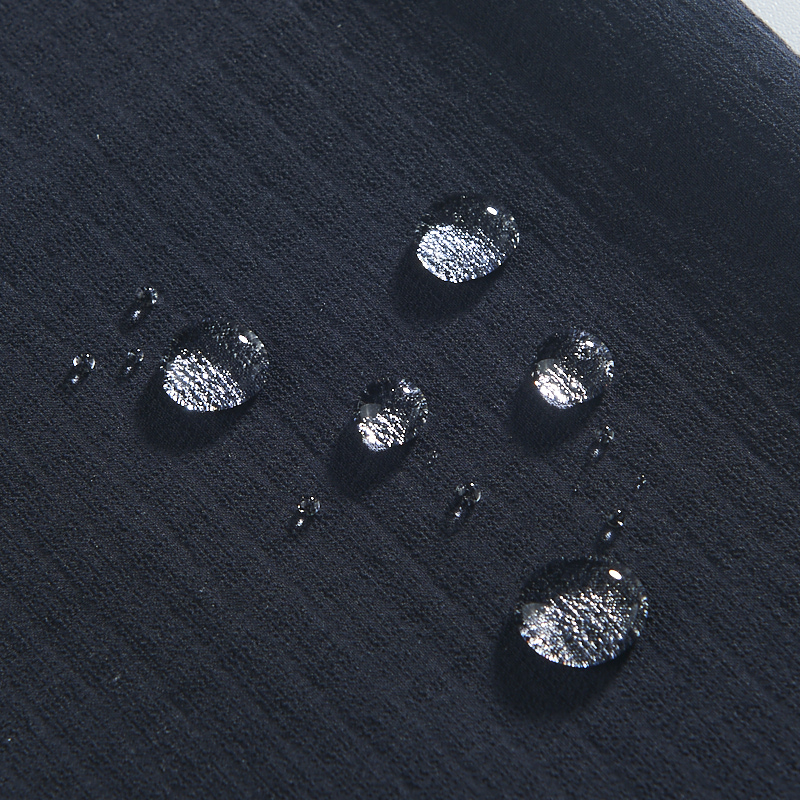
When temperatures drop and wind chill becomes a serious concern, the performance of cold-weather gear depends heavily on the quality of its windproof construction. Choosing gear built with effective windproof construction means the difference between staying warm and productive outdoors or being exposed to dangerous cold. Understanding the specific methods used in windproof construction helps buyers, designers, and procurement teams make smarter decisions about technical outerwear and workwear.
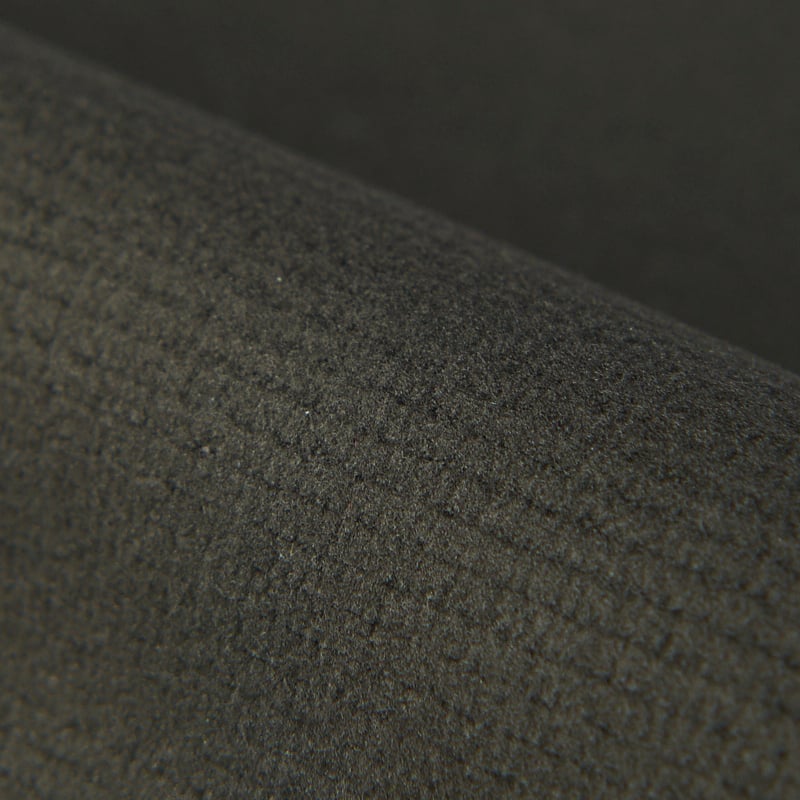
Not all windproof construction is created equal. Some approaches focus on blocking airflow at the fabric layer, while others integrate windproof construction principles at the seam level or through multi-layer bonding systems. Each method of windproof construction offers distinct benefits depending on the application, climate severity, and end-user activity level. This article breaks down the key windproof construction techniques that genuinely improve comfort in cold weather.
Core Fabric-Based Windproof Construction Methods
Tightly Woven Shell Fabrics in Windproof Construction
One of the oldest and most reliable approaches to windproof construction involves using tightly woven shell fabrics with an extremely high thread count. In this form of windproof construction, the dense fiber arrangement physically prevents wind from passing through the material. Fabrics engineered this way for windproof construction typically use microfilament yarns woven at very tight tolerances, creating a barrier that blocks airflow while maintaining flexibility and breathability. This windproof construction method is popular in softshell jackets and base-layer systems where comfort and mobility are equally important.
Membrane Lamination as a Windproof Construction Technique
Membrane lamination is among the most advanced forms of windproof construction available today. In this windproof construction approach, a thin microporous or solid membrane is bonded directly to the inner or outer face of the shell fabric. The membrane layer in windproof construction acts as a complete barrier against wind penetration while still allowing moisture vapor to escape. Windproof construction using laminated membranes is widely used in high-performance outdoor gear, military uniforms, and occupational safety clothing where consistent wind resistance across the full garment surface is required. The effectiveness of this windproof construction method depends on both the membrane quality and the bonding process used to attach it.
Seam and Bonding Techniques in Windproof Construction
Seam Sealing as Part of Windproof Construction
Even the best windproof construction at the fabric level can be compromised if seams are left unsealed. Traditional stitched seams create small puncture points that interrupt windproof construction integrity, allowing cold air to penetrate at every needle hole. Seam sealing addresses this vulnerability directly and is considered a critical element of complete windproof construction. Taped or welded seams eliminate airflow pathways at stitch lines, ensuring that windproof construction performance is consistent across the entire garment, not just across the flat fabric panels. For demanding cold-weather environments, seam-sealed windproof construction is considered a baseline requirement.
Bonded Fabric Systems in Windproof Construction
windproof construction using bonded fabric systems represents one of the most comprehensive solutions available for cold-weather applications. Bonded fabric windproof construction involves thermally or chemically adhering multiple fabric layers together, eliminating the need for stitching between layers and removing potential wind entry points. This form of windproof construction creates a unified composite that is both structurally stable and thermally efficient. Bonded fabric windproof construction also allows designers to combine a wind-resistant outer shell with an insulating mid-layer and a soft inner liner, delivering superior comfort without adding excessive bulk. The seamless integration of layers in this windproof construction method reduces cold spots and drafts that layered but unbound systems often produce.
Design-Level Windproof Construction for Enhanced Comfort
Closure Systems and Their Role in Windproof Construction
Windproof construction extends beyond fabric and seam engineering into the design of closures, cuffs, hems, and collars. Even when the main body of a garment uses excellent windproof construction, poorly designed openings can allow significant airflow into the garment. Effective windproof construction at the closure level includes features such as internal storm flaps behind front zippers, adjustable hook-and-loop cuffs, and high-profile collars with chin guards. These design elements reinforce windproof construction by eliminating gaps where wind can bypass the fabric barrier. A garment that combines strong fabric-level windproof construction with intelligent closure design provides noticeably better protection and sustained comfort during prolonged cold-weather exposure.
Layering Compatibility in Windproof Construction Systems
True comfort in cold-weather gear requires that windproof construction works within a broader layering system. When windproof construction is designed with layering in mind, the outer shell can coordinate with insulating mid-layers without creating restriction, bulk, or pressure points. Smart windproof construction accounts for how garment panels are cut and how airflow is managed between layers. Stretch-integrated windproof construction fabrics allow the wearer to move freely while maintaining a consistent wind barrier. In industrial and workwear contexts, windproof construction that accommodates movement without losing integrity is essential for both safety and all-day wearability.
FAQ
What makes windproof construction different from water-resistant construction?
Windproof construction is specifically engineered to block airflow through fabric and seam systems, while water-resistant construction focuses on repelling liquid moisture. Some garments combine both, but the performance mechanisms differ. Windproof construction uses tightly woven structures, membranes, and bonded layers to prevent cold air penetration, whereas water resistance relies on surface treatments or coatings that cause water to bead and run off.
How does bonded fabric improve windproof construction performance?
Bonded fabric improves windproof construction by fusing multiple functional layers into a single composite structure. This eliminates inter-layer gaps and stitch penetrations that traditional stitched windproof construction cannot avoid. The result is a more consistent and durable windproof construction that also provides better thermal retention and a cleaner fit against the body.
Is windproof construction suitable for high-activity cold-weather use?
Yes. Modern windproof construction methods, especially those using stretch-bonded or membrane-laminated fabrics, are well suited to high-activity cold-weather use. These forms of windproof construction balance wind resistance with breathability and freedom of movement. Garments built with activity-specific windproof construction help regulate body temperature by blocking external wind chill while allowing heat and moisture vapor to escape during exertion.