
 EN
EN

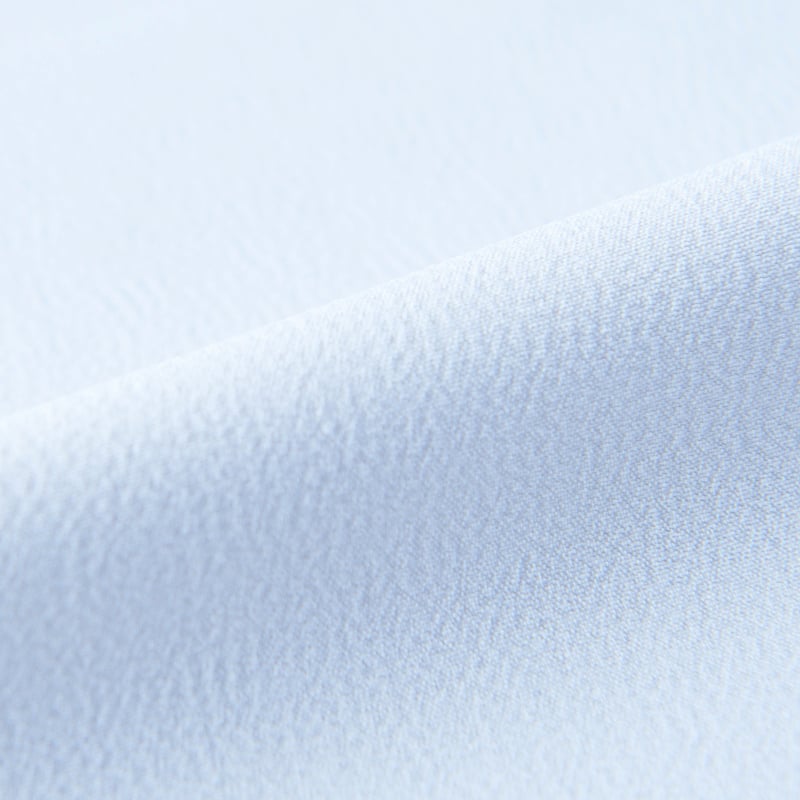
Water repellency is one of the most functionally important properties a technical or performance fabric can carry. When a fabric has strong water repellency, moisture beads up on the surface rather than soaking into the fibers, keeping the wearer dry, comfortable, and protected. Understanding how water repellency behaves across repeated use and washing cycles is essential for anyone who works with, manufactures, or specifies performance textiles. Water repellency is not a permanent trait — it responds directly to how fabric is cared for, and its longevity depends on informed handling at every stage.
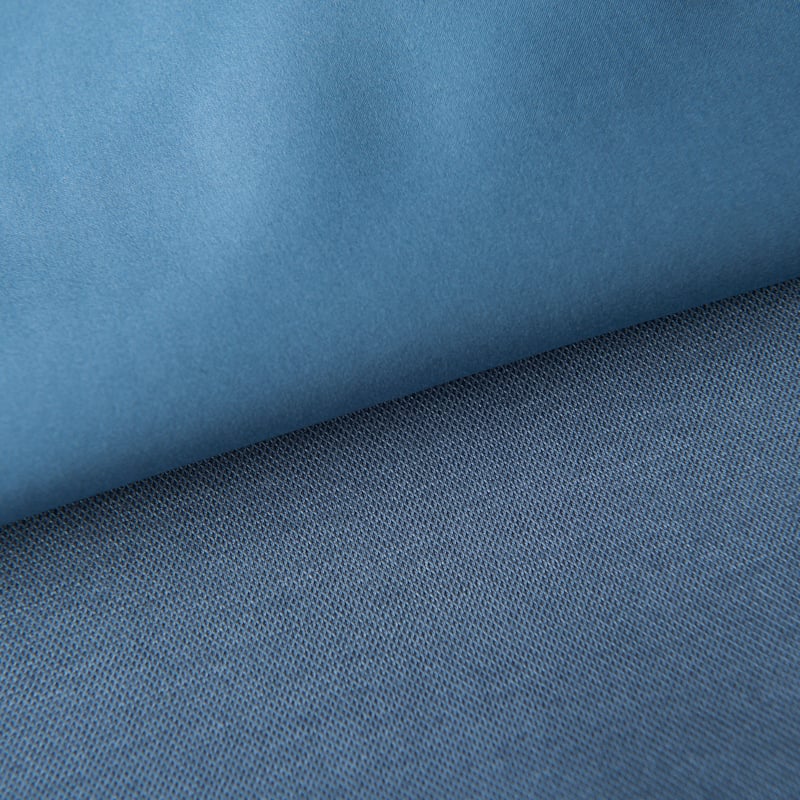
For B2B buyers, garment manufacturers, and product developers, the practical value of water repellency extends well beyond the initial finish applied during production. The way a fabric is laundered, dried, and stored has a measurable effect on how long water repellency remains effective. Fabrics treated with durable water repellency finishes can maintain strong performance over many wash cycles — but only when care protocols are correctly followed. This article examines exactly how water repellency interacts with fabric care and what factors determine washing longevity in professional and industrial contexts.
How Water Repellency Works on Fabric Surfaces
The Mechanism Behind Water Repellency
Water repellency in textiles is typically achieved through a durable water repellency (DWR) treatment applied to the outer face of the fabric. This treatment modifies the surface energy of the fibers so that water forms droplets and rolls off rather than spreading and absorbing. The effectiveness of water repellency depends on maintaining a low surface energy across the entire fabric face. When this surface energy increases — due to contamination, fiber compression, or chemical degradation — water repellency diminishes noticeably. Understanding this mechanism helps explain why fabric care directly controls water repellency performance.
Fiber Composition and Water Repellency Retention
The underlying fiber structure plays a significant role in how well water repellency treatments bond and persist. Wool-synthetic blended fabrics, for instance, offer an excellent substrate for water repellency finishes because the natural crimp of wool fibers supports mechanical bonding while synthetic components add structural durability. On smooth synthetic-only fabrics, water repellency coatings can wear away more quickly under friction and repeated washing. Choosing a fiber blend that is compatible with water repellency chemistry is therefore a fundamental part of designing fabrics intended for long-term water repellency performance. The water repellency fabric engineered for wool-synthetic construction reflects this principle directly.
The Impact of Washing on Water Repellency
How Each Wash Cycle Affects Water Repellency
Every wash cycle applies mechanical agitation, heat, and chemical exposure to a fabric's surface. These forces gradually flatten and reorient the fibers, which disrupts the aligned surface structure that gives water repellency its effectiveness. Detergent residues left in the fabric after washing are particularly damaging to water repellency because surfactants in detergents actively lower surface energy, causing the treated surface to wet out more easily. Water repellency can also be compromised by fabric softeners, which coat fibers with hydrophilic agents that directly counteract the DWR treatment. For water repellency to survive repeated laundering, washing routines must be designed to minimize each of these degradation pathways.
Temperature, Detergent Selection, and Water Repellency Preservation
Washing temperature has a dual effect on water repellency. High temperatures during washing can degrade DWR chemistry faster, but moderate heat during drying or tumble-drying can actually help restore water repellency by reactivating the treatment and realigning fiber surfaces. The correct approach is to wash at lower temperatures using a mild, detergent-residue-free liquid cleaner specifically formulated for water repellency fabrics, then follow with a low-heat tumble dry cycle. This method preserves the DWR layer while removing contaminants that reduce water repellency effectiveness. In professional textile care, water repellency maintenance should be treated as a structured process rather than a routine wash.
Extending Washing Longevity of Water Repellency Fabrics
Reapplication and Refresh Treatments for Water Repellency
Even with optimal care, water repellency finishes will diminish over time as the DWR layer is gradually abraded or chemically worn. Periodic reapplication of a water repellency treatment is the most reliable way to restore performance between production cycles or product lifecycles. Spray-on and wash-in water repellency treatments are widely available and can significantly extend the functional life of a garment or technical textile. For B2B applications, particularly in outdoor apparel, workwear, and protective clothing, scheduling water repellency refresh treatments as part of a defined care protocol adds measurable value to the end product and supports longer product lifecycles. Water repellency reapplication is not a workaround — it is a planned part of water repellency fabric management.
Storage and Handling Practices That Protect Water Repellency
Water repellency can also be undermined by poor storage and handling practices. Folding fabrics under sustained pressure can flatten the surface structure and reduce the effectiveness of water repellency coatings over time. Exposure to UV light, oils, and solvents in storage environments can chemically degrade water repellency treatments before the fabric even reaches the end user. For manufacturers and distributors handling water repellency fabrics in bulk, storing rolls or garments in cool, dry, UV-protected conditions is critical to preserving water repellency from production through to delivery. Proper handling preserves water repellency in the same way that proper washing does — by protecting the surface energy state of the treated fiber.
FAQ
Does washing frequency directly reduce water repellency?
Yes, washing frequency has a direct relationship with water repellency longevity. Each wash cycle introduces mechanical and chemical stress that gradually degrades the DWR finish responsible for water repellency. Reducing unnecessary washing, using correct detergents, and applying refresh treatments periodically can maintain water repellency performance across a higher number of total wash cycles.
Can water repellency be fully restored after it fades?
Water repellency can be significantly restored through heat reactivation or DWR reapplication treatments. If the fabric surface is clean and the fiber substrate is undamaged, applying a quality water repellency treatment and following with a low-heat drying cycle will typically recover a large portion of the original water repellency performance. Complete restoration depends on the degree of DWR degradation and the quality of the base fabric.
Are all fabrics equally suited to maintaining water repellency over time?
No, fabric composition significantly affects water repellency retention. Wool-synthetic blends tend to support water repellency finishes well due to their surface texture and fiber chemistry. Smooth synthetic fabrics may lose water repellency more quickly under abrasion. Choosing a fabric engineered for water repellency durability, with a compatible fiber structure, is the most effective way to ensure long-term water repellency performance in demanding applications.