
 EN
EN

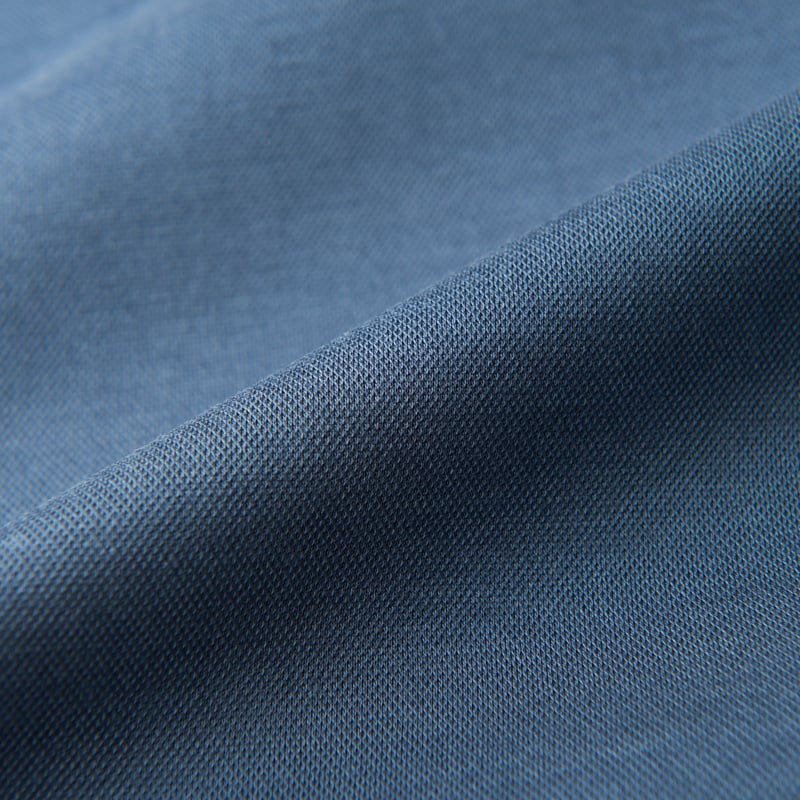
When engineers and designers work with second-skin fabrics, the material itself sets an exceptionally high standard for what surrounds it. Second-skin fabrics are engineered to move with the body, reduce friction, and deliver a barely-there sensation that traditional textiles simply cannot replicate. Yet the full potential of second-skin fabrics is only realized when paired with ergonomic design enhancements that match and extend those inherent properties.
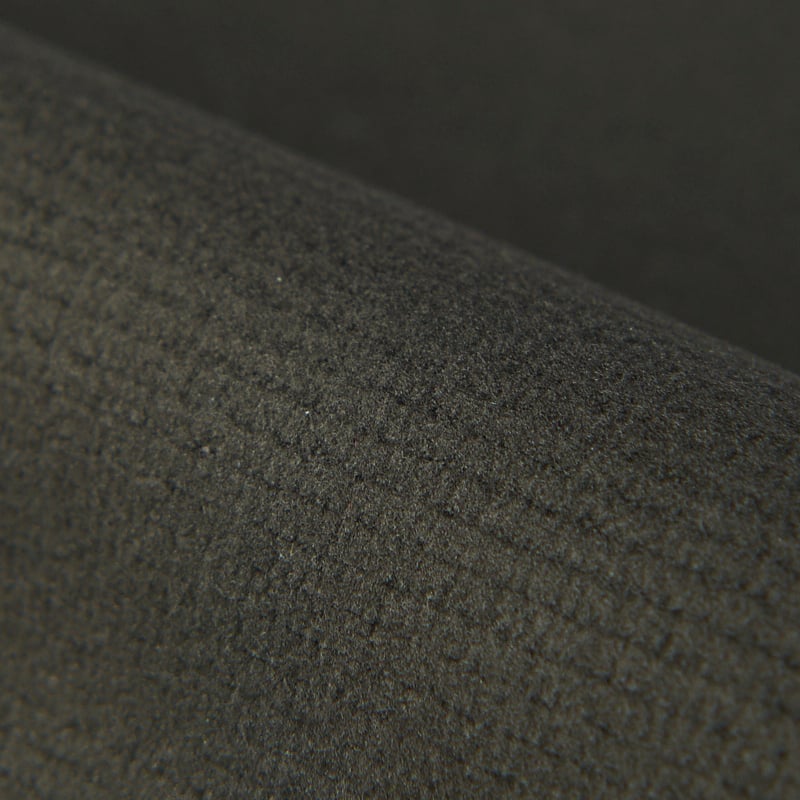
Selecting the wrong construction method or structural feature can instantly compromise the lightweight, adaptive nature that makes second-skin fabrics so effective. This article explores the specific ergonomic design enhancements that consistently perform best alongside second-skin fabrics, covering seam engineering, panel architecture, and motion-mapped construction strategies that elevate performance across activewear, medical compression, and protective apparel categories.
Seam Engineering That Respects Second-Skin Fabrics
Flatlock and Bonded Seam Approaches
Traditional raised seams create pressure ridges that directly contradict what second-skin fabrics are designed to accomplish. When second-skin fabrics are joined using flatlock stitching, the seam lies parallel to the body surface, distributing tension evenly and eliminating concentrated friction points. This approach is particularly critical in high-contact zones such as underarms, inner thighs, and around the shoulder blades, where movement frequency is highest.
Bonded seam construction takes this concept even further by removing thread entirely from the junction point. Thermal bonding or adhesive film joins second-skin fabrics at their edges without adding material mass, preserving the ultra-thin profile that defines the category. The result is a garment where second-skin fabrics maintain their stretch ratio across the seam rather than experiencing restricted zones that break motion flow. For designers specifying second-skin fabrics in compression or sportswear contexts, bonded seam technology is not optional — it is the expected standard.
Seam Placement and Body Mapping Logic
Beyond the seam type itself, placement decisions determine whether second-skin fabrics can deliver consistent comfort throughout a full range of motion. Seam lines should follow natural body contours rather than geometric shortcuts. When second-skin fabrics are cut and assembled with seams positioned away from primary load-bearing zones, the wearer experiences uninterrupted stretch and recovery. This body-mapped seam placement is a foundational ergonomic principle that directly amplifies the performance characteristics already embedded in second-skin fabrics.
Panel Architecture and Compression Zoning
Multi-Panel Construction for Motion Alignment
Second-skin fabrics perform best when panels are shaped to mirror the body's movement arcs rather than cut from flat geometry. Multi-panel construction allows designers to orient the stretch axis of second-skin fabrics along the direction of primary muscle movement. For a leg sleeve, this means orienting second-skin fabrics so their maximum stretch direction aligns vertically along the quadriceps and hamstrings, rather than circumferentially, which would restrict extension.
This panel logic becomes even more powerful when different weights or densities of second-skin fabrics are combined in a single garment. Lighter second-skin fabrics can be assigned to high-flex zones such as the back of the knee or the elbow crease, while denser variants of second-skin fabrics provide targeted support near the patella or lumbar region. The interplay between panel shape and fabric selection is what separates ergonomically refined products from garments that simply use second-skin fabrics as a marketing term.
Graduated Compression Integration
Graduated compression is one of the most performance-relevant enhancements that can be engineered directly into second-skin fabrics. By calibrating panel tension from distal to proximal body regions, graduated compression assists venous return, reduces muscle oscillation, and lowers perceived exertion during sustained activity. When second-skin fabrics are engineered with precise elastane ratios across different panels, they can deliver medically meaningful compression gradients without the bulkiness associated with traditional compression textiles.
The key is ensuring that second-skin fabrics in compression zones retain their bonding integrity under repeated stretch cycles. Delamination or fiber migration in second-skin fabrics used for compression would not only degrade performance but could also create uneven pressure distribution that causes discomfort rather than preventing it.
Motion-Mapped Construction for Second-Skin Fabrics
Gusset and Gore Design Principles
Gussets and gores are geometric inserts that expand a garment's range of motion without requiring additional fabric tension from the main body of second-skin fabrics. A well-designed gusset in the crotch or underarm region allows the wearer to achieve extreme flexion or abduction without pulling second-skin fabrics away from adjacent skin contact zones. This is critical because second-skin fabrics derive much of their functional value from maintaining consistent surface contact with the skin during movement, not just at rest.
When second-skin fabrics are paired with ergonomically shaped gussets cut from matching or complementary bonded materials, the garment moves as a single integrated system. Designers should ensure that gusset fabrics have comparable elongation and recovery properties to the primary second-skin fabrics panels, otherwise tension imbalances create visible distortion and premature wear at the insertion points.
Articulated Patterning for Joint Zones
Articulated patterning pre-shapes second-skin fabrics panels around key joints such as the knee, elbow, and hip so the garment does not need to borrow fabric from adjacent zones during flexion. When second-skin fabrics are cut with built-in articulation angles, the wearer experiences no sensation of the garment pulling or restricting movement. This is especially valuable in technical sportswear and medical rehabilitation garments where second-skin fabrics must support rather than impede therapeutic movement.
Combining articulated patterning with the ultra-conforming nature of second-skin fabrics produces garments that respond intuitively to the body, reinforcing the ergonomic promise that the fabric category inherently makes. This enhancement, more than almost any other design decision, defines whether second-skin fabrics achieve their full functional intent or simply approximate it.
FAQ
Why do seam types matter so much when working with second-skin fabrics?
Seam types matter because second-skin fabrics are designed to maintain continuous, low-pressure contact with the skin. Raised or bulky seams interrupt that contact and create friction or pressure points that directly contradict the comfort profile that second-skin fabrics are engineered to deliver. Flatlock and bonded seams preserve the seamless sensation that defines this fabric category.
Can second-skin fabrics be used in both compression and non-compression applications?
Yes, second-skin fabrics are versatile enough to serve both applications depending on the elastane content, panel construction, and density specified during manufacturing. In compression applications, second-skin fabrics are engineered with tighter elastane ratios and precise panel tensioning. In non-compression uses such as lightweight base layers, second-skin fabrics prioritize breathability and minimal weight over graduated pressure delivery.
What is the most common design error when pairing ergonomic features with second-skin fabrics?
The most common error is treating second-skin fabrics as a background material while applying conventional construction techniques. Using mismatched seam types, ignoring stretch-axis alignment, or placing gussets cut from incompatible fabrics alongside second-skin fabrics all undermine the ergonomic performance that the fabric is capable of delivering. Every structural decision must be made with the properties of second-skin fabrics as the starting reference point.