
 EN
EN

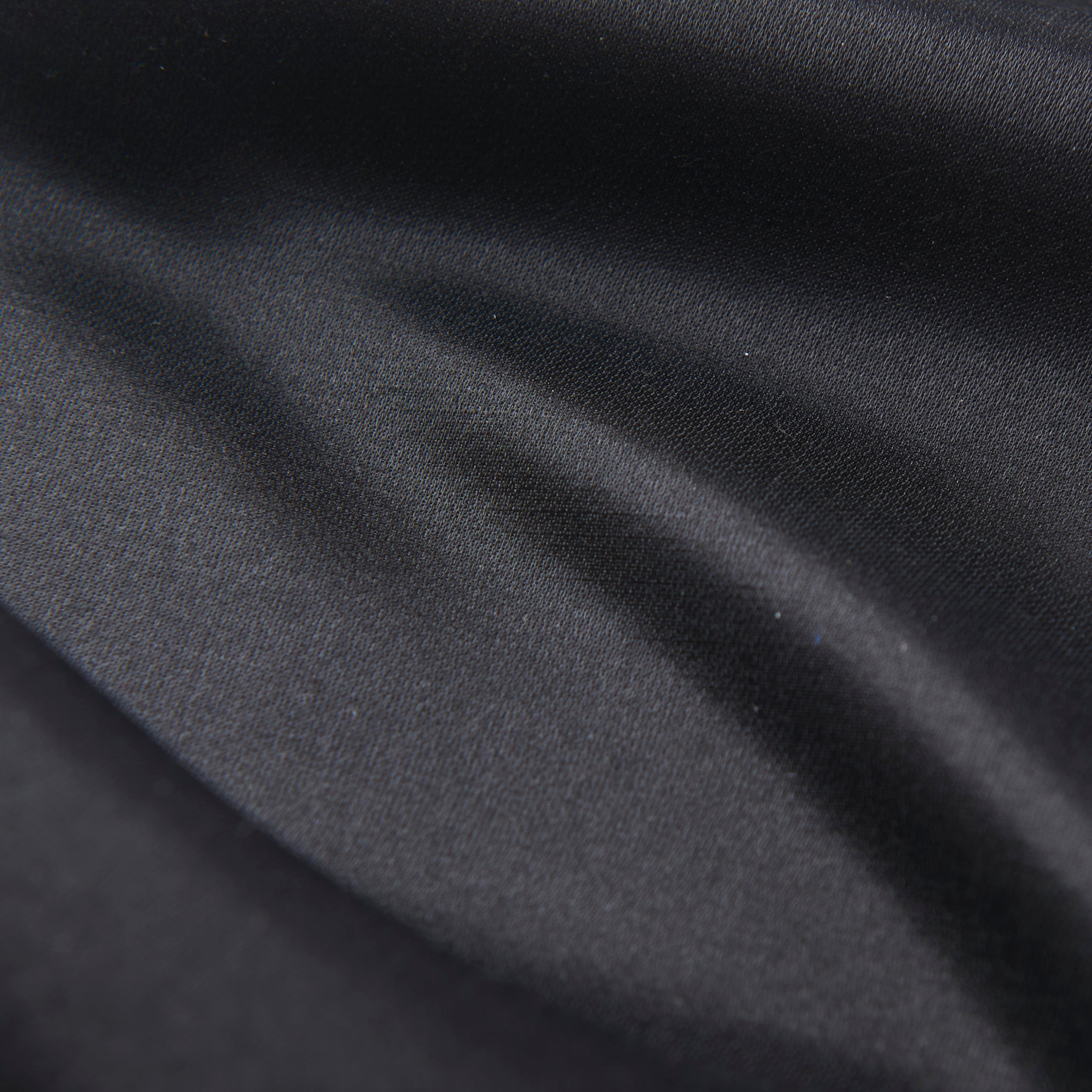
When consumers reach for a garment on a retail rack, one of the first signals that communicates quality is the way the fabric feels against their fingertips. Soft-touch textile has become a defining characteristic in premium casual wear, shaping how brands are perceived and how buyers justify higher price points. The tactile experience is no longer secondary to visual design — it is a primary driver of purchase decisions in today's competitive apparel market. Understanding how soft-touch textile influences casual wear appeal means examining fabric science, consumer psychology, and product positioning all at once.
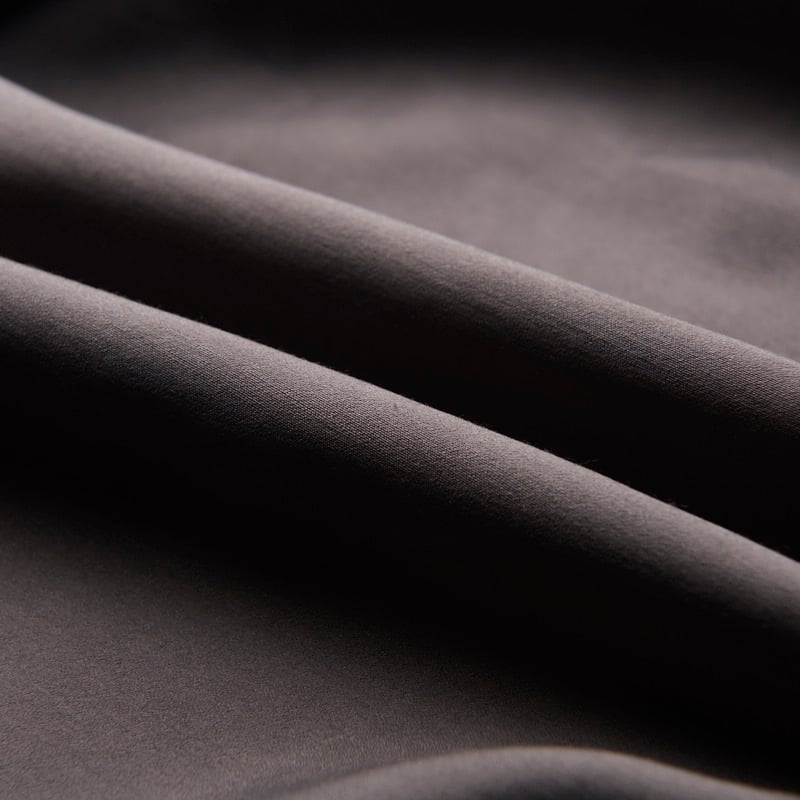
Soft-touch textile refers to fabric engineered or naturally composed to deliver a smooth, supple, and gentle hand feel. In the context of premium casual wear, this quality is not accidental — it results from specific fiber choices, weave structures, and finishing processes. Brands that invest in soft-touch textile consistently find that their garments earn stronger customer loyalty, better online reviews, and higher repeat purchase rates. This article explores exactly how soft-touch textile shapes the appeal of premium casual wear across sensory experience, styling versatility, and brand storytelling.
The Sensory Role of Soft-Touch Textile in Casual Wear
How Hand Feel Communicates Perceived Value
Soft-touch textile speaks before a price tag does. When a shopper handles a garment and feels that characteristic smooth drape, the brain immediately registers signals of quality and care. Studies in consumer behavior consistently show that tactile perception directly influences willingness to pay. A soft-touch textile garment priced at a premium feels justified in a way that a stiff or rough fabric simply does not, regardless of visual presentation. This sensory shortcut is one of the most powerful tools available to casual wear brands.
Soft-touch textile achieves this effect through several mechanisms. Fiber fineness plays a major role — finer fibers create more contact points per square centimeter, resulting in a smoother, more uniform surface. Yarn twist level, weave tightness, and surface finishing such as brushing or enzyme washing all contribute to the final hand feel of a soft-touch textile. For premium casual wear, every one of these variables is deliberately controlled to maintain a consistent sensory signature across a collection.
Comfort as a Core Appeal Factor
Beyond the initial touch, soft-touch textile continues to communicate value through wear. Garments that feel comfortable throughout a full day of activity reinforce the decision to purchase and encourage brand loyalty. Soft-touch textile tends to move with the body rather than resist it, which is especially important in casual wear categories like relaxed trousers, flowing blouses, and weekend shirts. This wearability factor is a major reason why soft-touch textile has become central to premium casual wear positioning rather than reserved only for luxury formal apparel.
Styling Versatility Enabled by Soft-Touch Textile
Drape and Silhouette in Everyday Wear
Soft-touch textile contributes directly to garment silhouette. Fabrics with a gentle, flowing drape — a hallmark of soft-touch textile — create silhouettes that look effortlessly elevated without requiring structured tailoring. This is the foundation of the premium casual aesthetic: clothing that appears polished without looking stiff. A soft-touch textile blouse or wide-leg trouser achieves that relaxed-yet-refined visual quality that consumers associate with high-end casual brands. The fabric does the styling work that construction alone cannot.
Soft-touch textile also enables greater versatility across styling contexts. Because it drapes cleanly and resists harsh visual lines, a garment made from soft-touch textile can transition from a casual weekend setting to a smart-casual office environment with minimal effort from the wearer. This versatility is a key part of its premium appeal — consumers feel they are getting more value from a piece that works across occasions. soft-touch textile blends such as rayon-poly constructions are particularly well suited to this multi-context styling demand.
Color and Print Expression on Soft Surfaces
Soft-touch textile also enhances visual appeal by providing an ideal surface for color and print work. Smooth, fine-fibered soft-touch textile accepts dye more evenly than coarser alternatives, resulting in richer, more saturated tones that retain depth even after repeated washing. For premium casual wear collections where print design and color storytelling are central to brand identity, soft-touch textile acts as a premium canvas. The fabric does not compete with the design — it enhances it, giving colors and patterns the visual clarity they need to read as intentional and refined.
Soft-Touch Textile in Brand Positioning and Storytelling
Building Premium Perception Through Material Choice
Soft-touch textile is not just a physical property — it is a brand communication tool. When a label consistently uses soft-touch textile across its casual wear line, it signals a commitment to quality and a sensitivity to customer experience. This material choice becomes part of the brand's identity. Consumers who have positive tactile experiences with soft-touch textile garments are more likely to describe the brand in terms like 'refined,' 'thoughtful,' and 'worth the price.' Soft-touch textile therefore becomes embedded in brand equity, not just product quality.
Premium casual wear brands often use soft-touch textile as a key differentiator in their product descriptions, labeling, and marketing narratives. Highlighting specific fabric properties — such as the fluid hand of a rayon-poly soft-touch textile blend — gives customers a concrete reason to justify their spending. It moves the conversation from subjective taste to tangible product attributes. This narrative power of soft-touch textile is increasingly important as casual wear markets become more saturated and brand storytelling needs to be grounded in real, verifiable product qualities.
Consumer Retention and Soft-Touch Textile Consistency
Consistency in soft-touch textile quality across collections is critical for premium casual wear brands that want to sustain long-term consumer loyalty. Customers who buy a soft-touch textile garment and love the experience expect the same quality in their next purchase. When brands maintain that consistency, soft-touch textile becomes a reason to return rather than just a reason to buy once. This retention dynamic is especially powerful in the premium casual segment where brand switching is common and differentiation is difficult to achieve through design alone. Soft-touch textile, consistently delivered, builds a tactile brand signature that is difficult for competitors to replicate without matching the same level of material investment.
FAQ
What types of fibers are most commonly used in soft-touch textile for casual wear?
Soft-touch textile in premium casual wear frequently uses rayon, modal, Tencel, and rayon-poly blends. These fibers are valued for their fine filament structure, natural drape, and smooth surface. Rayon in particular is widely used in casual wear soft-touch textile because it mimics the hand feel of natural silk while remaining affordable and easy to care for. Blended constructions that combine rayon with polyester offer enhanced durability alongside the soft-touch textile quality that premium consumers expect.
How does soft-touch textile affect garment durability in everyday use?
Soft-touch textile can be engineered for durability without sacrificing hand feel. Blended soft-touch textile constructions that incorporate synthetic fibers add tensile strength and resistance to pilling, which extends garment life. Finishing treatments used on soft-touch textile, such as enzyme washing or softening agents, are increasingly designed to be wash-stable so that the soft-touch textile quality is maintained through repeated laundering. Premium brands select soft-touch textile constructions that balance initial sensory appeal with long-term performance to support their quality positioning.
Is soft-touch textile suitable for all seasons in casual wear collections?
Soft-touch textile is highly versatile across seasonal categories. Lighter weight soft-touch textile fabrics with open weave structures are ideal for spring and summer casual wear, offering breathability alongside comfort. Heavier or brushed soft-touch textile options are well suited for autumn and transitional collections where warmth becomes part of the comfort equation. The wide range of soft-touch textile constructions available means that brands can maintain a consistent tactile signature across their seasonal lineup, reinforcing brand identity year-round without compromising seasonal appropriateness.