
 EN
EN

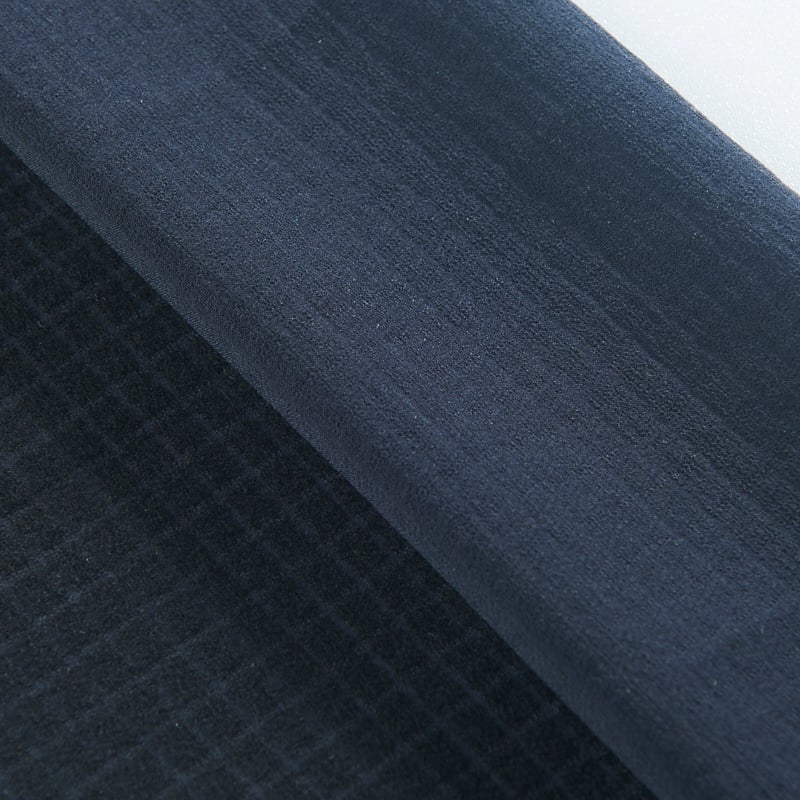
When athletes push hard outdoors, their bodies generate significant heat and moisture. The fabric next to their skin must respond intelligently, and breathable wool has emerged as one of the most effective materials for managing sweat transport in demanding outdoor conditions. Unlike synthetic alternatives that can trap odor and feel clammy, breathable wool uses its natural fiber architecture to continuously move moisture away from the body, creating a drier, more comfortable microclimate during sustained physical effort.
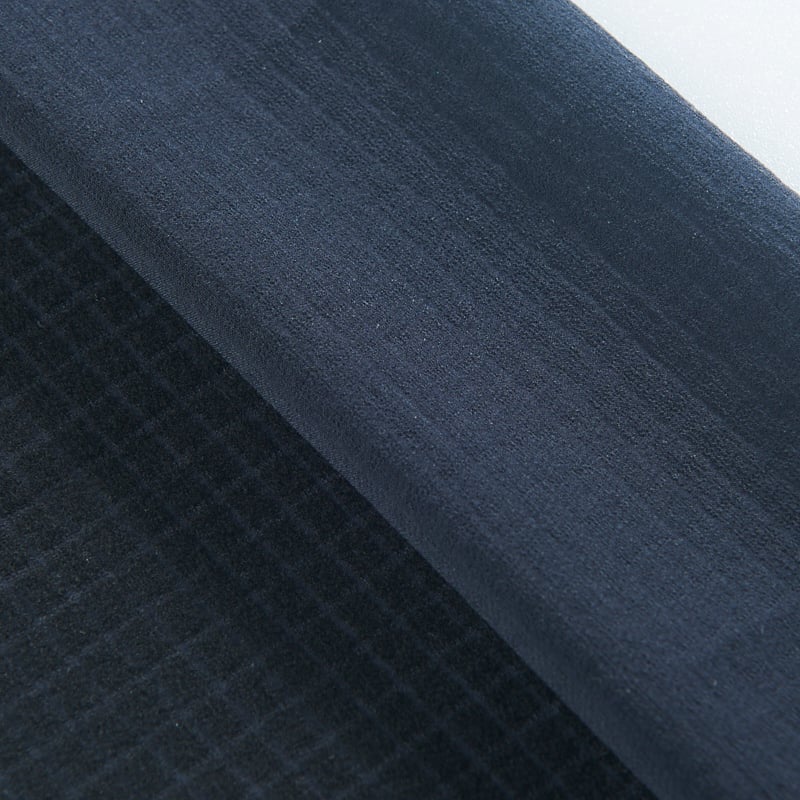
Understanding how breathable wool handles sweat transport requires looking at both fiber-level science and fabric construction. Ultra-fine breathable wool, especially when engineered into a double-weave structure with nylon reinforcement, performs at a level that few materials can match. This article breaks down the sweat transport mechanism of breathable wool, explains why ultra-fine grades outperform standard wool, and helps performance gear buyers understand why breathable wool belongs at the core of serious outdoor apparel.
The Sweat Transport Mechanism of Breathable Wool
How Breathable Wool Fibers Move Moisture
Breathable wool is not passive when it encounters sweat. Each breathable wool fiber contains a cortex structure that actively absorbs vapor-phase moisture from the skin before it becomes liquid sweat. This absorption process is a defining property of breathable wool, and it means the fiber begins managing moisture at the earliest stage of perspiration. When breathable wool absorbs this vapor, it releases a small amount of heat through a process called sorption heat, which helps keep the wearer warm even in wet conditions.
At the same time, breathable wool has a hydrophobic outer scale layer that resists liquid water on its surface. This dual action — absorbing vapor internally while resisting liquid externally — is what makes breathable wool so effective for outdoor performance. When sweat finally transitions from vapor to liquid, breathable wool wicks it outward through capillary channels between fibers, spreading it across a wider surface area for faster evaporation. The result is that breathable wool keeps the skin drier than many conventional performance fabrics.
Breathable Wool vs. Liquid Sweat Under Exertion
During high-output activities like trail running, hiking, or mountaineering, sweat rates increase rapidly. Breathable wool manages this surge through its structural flexibility. As the fabric warms and stretches during movement, the open weave of breathable wool allows increased airflow, accelerating evaporation. The breathable wool fiber's natural crimp also creates micro-spaces within the fabric that serve as ventilation channels. These channels make breathable wool significantly more efficient at removing excess moisture under sustained exertion compared to flat-woven synthetics.
Ultra-Fine Grades and Their Role in Sweat Management
Why Fiber Fineness Matters in Breathable Wool
Not all breathable wool performs equally. Fiber diameter, measured in microns, is one of the most critical variables determining how well breathable wool manages sweat transport. Ultra-fine breathable wool, typically below 17.5 microns, has a much higher fiber count per unit area than coarser grades. This higher count means more capillary pathways exist within the fabric, improving the rate at which breathable wool moves moisture from skin to outer surface. More fiber contacts per square centimeter also means breathable wool distributes sweat more evenly, preventing localized wet zones that cause chafing and discomfort.
Ultra-fine breathable wool also has superior next-to-skin softness, which is essential for performance wear worn directly against the body. Garments made from ultra-fine breathable wool can be constructed thinner and lighter while still maintaining the moisture management properties that make breathable wool valuable in outdoor settings. This combination of lightness and functional performance is why ultra-fine breathable wool has become the preferred choice for high-performance base layers and mid-layers.
Breathable Wool in Double-Weave Fabric Constructions
When breathable wool is engineered into a double-weave structure — particularly a wool-nylon double weave — its sweat transport capability increases substantially. In a double-weave construction, breathable wool forms the inner face that sits against the skin, while a nylon-reinforced outer layer provides durability and faster surface drying. This layered architecture allows breathable wool to absorb and transfer moisture inward while the nylon outer layer disperses it outward. The result is a fabric system where breathable wool handles the delicate skin-contact function and the structural layer handles rapid evaporation and abrasion resistance.
This construction also benefits temperature regulation. Because breathable wool releases stored moisture slowly as conditions change, a double-weave breathable wool fabric continues to manage body temperature even after a high-intensity phase ends and the wearer slows down. This buffer effect, which is unique to breathable wool among natural performance fibers, prevents the rapid chill that can occur when a sweaty synthetic garment suddenly stops generating heat from movement.
Practical Outdoor Performance Benefits of Breathable Wool
All-Condition Comfort Driven by Breathable Wool
One of the most practical advantages of breathable wool in outdoor gear is its performance across varying weather conditions. Breathable wool regulates moisture whether the environment is humid, dry, cold, or warm. In humid alpine environments, breathable wool absorbs excess ambient moisture without becoming saturated, maintaining its insulating value. In dry heat, breathable wool accelerates evaporation to keep the wearer cool. This adaptability means that breathable wool performs consistently without requiring the wearer to switch layers as frequently, which is a major operational benefit during long outdoor missions.
Odor Resistance and Extended Wearability
Breathable wool naturally resists odor-causing bacteria because of its chemical structure. The same fiber properties that allow breathable wool to manage moisture also inhibit microbial growth. Bacteria require moisture to proliferate, and because breathable wool continuously manages sweat, it limits the sustained wet environment that bacteria need. In practical terms, breathable wool garments can be worn for multiple days in the field without developing the odor that synthetic fabrics typically accumulate. This extended wearability makes breathable wool a smart choice for backcountry travelers, mountaineers, and endurance athletes who cannot wash gear frequently.
The durability of breathable wool in double-weave constructions further extends the lifespan of performance garments. Breathable wool fibers are resilient and return to their natural shape after stretching, meaning that breathable wool garments maintain their structural integrity and moisture transport efficiency through repeated use and washing cycles. For outdoor professionals who rely on consistent gear performance, breathable wool offers a functional longevity that justifies its position in premium performance apparel.
FAQ
Is breathable wool suitable for high-intensity outdoor sports?
Yes, breathable wool is highly suitable for high-intensity sports. Ultra-fine breathable wool manages vapor and liquid sweat efficiently, keeping athletes dry and comfortable during sustained effort. Its natural fiber architecture handles rapid moisture fluctuations better than many synthetic alternatives.
How does breathable wool compare to synthetic moisture-wicking fabrics?
Breathable wool absorbs moisture vapor before it becomes liquid sweat, while most synthetics only wick liquid sweat after it forms. This means breathable wool starts managing moisture earlier in the perspiration cycle. Breathable wool also resists odor naturally, which most synthetics require chemical treatments to achieve.
Can breathable wool maintain performance after repeated washing?
Quality breathable wool, especially in reinforced double-weave constructions, maintains its moisture management performance through many wash cycles. The fiber's natural crimp and cortex structure are not degraded by gentle washing, so breathable wool retains its sweat transport capability over the long term of a garment's life.