
 EN
EN

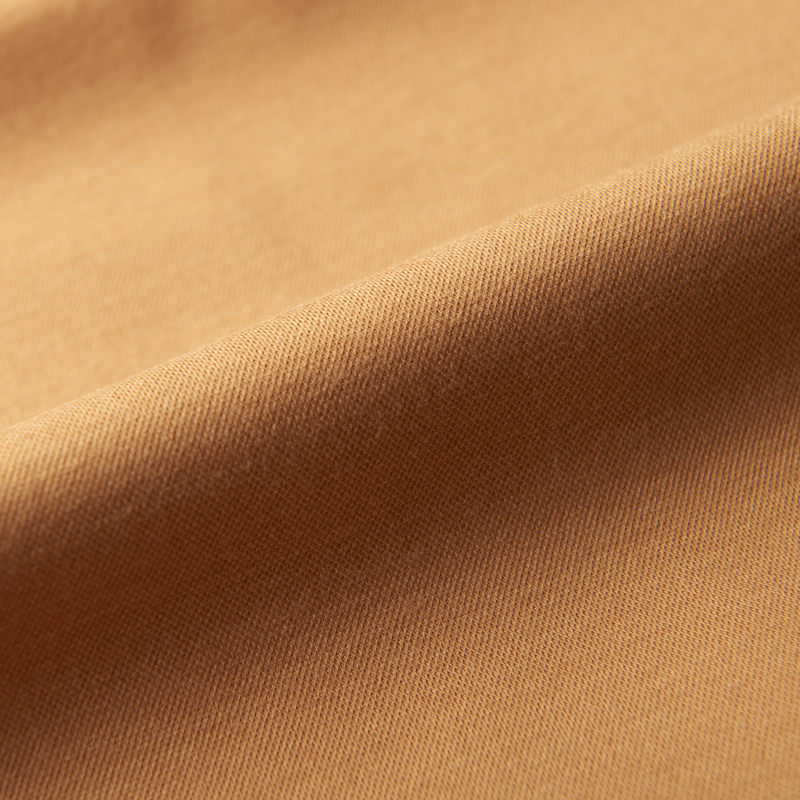
Modern garments demand far more than simple coverage. As consumer expectations and industrial requirements evolve, brands and manufacturers turn to performance fabric to meet the growing need for garments that breathe, protect, stretch, and endure simultaneously. Understanding how these properties are brought together inside a single textile is essential for designers, procurement specialists, and product developers working in technical apparel markets.
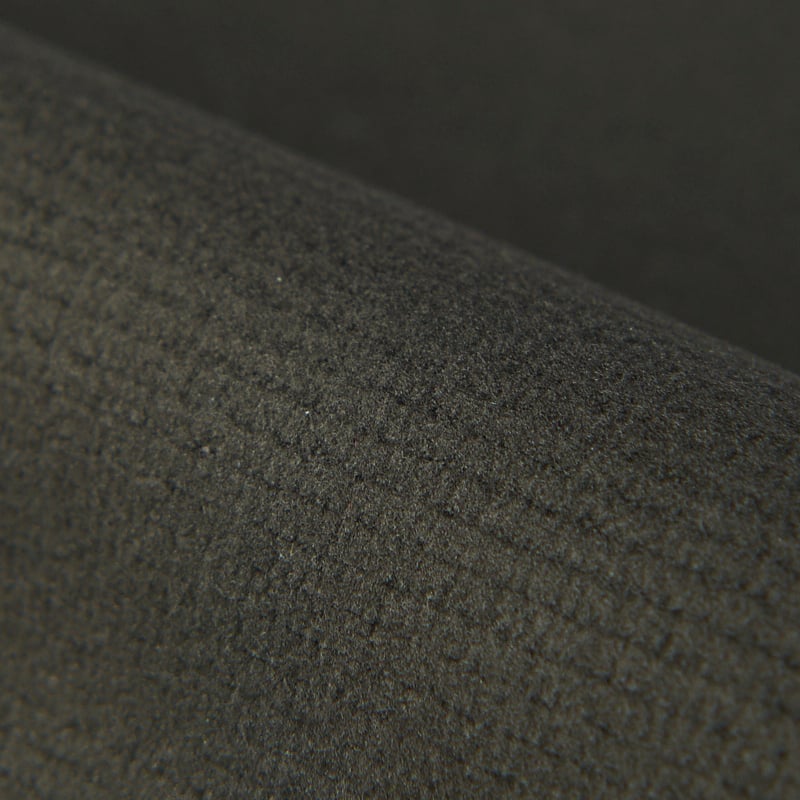
Integrating multiple performance fabric properties into one garment is not a simple layering exercise. It requires deliberate material selection, precise construction techniques, and a clear understanding of how each property interacts with the others. When performance fabric engineering is done correctly, the result is a garment where moisture management, thermal regulation, mechanical stretch, and protective barrier functions coexist without compromise.
The Foundation of Multi-Property Performance Fabric
How Fiber Selection Shapes Performance Fabric Outcomes
Every performance fabric starts with fiber selection. The choice between synthetic fibers such as polyester and nylon, natural fibers such as merino wool, or blended constructions determines the baseline behavior of the performance fabric. Polyester-based performance fabric excels at moisture wicking, while elastane-blended performance fabric delivers the mechanical stretch required for active movement. Merino wool performance fabric, by contrast, offers natural thermal buffering and odor resistance. A designer integrating multiple properties must first understand which fiber types contribute specific functions and how they interact when combined in a single performance fabric structure.
Fiber blending is one of the earliest integration tools available. By spinning two or more fiber types into a single yarn, manufacturers can create a performance fabric that inherits characteristics from each component. A blend of polyester and elastane, for example, yields a performance fabric that manages sweat efficiently while also conforming to the body during physical activity. The ratio of fibers directly influences which property dominates, so precise formulation is critical when developing a performance fabric intended for multi-functional use.
Fabric Construction and Its Role in Performance Fabric Integration
Yarn composition alone does not determine the full capability of a performance fabric. The construction method — whether woven, knitted, or nonwoven — shapes how the performance fabric behaves mechanically and functionally. A tight woven performance fabric structure offers wind resistance and dimensional stability, while a circular knit performance fabric provides four-way stretch and breathability. Nonwoven performance fabric, used frequently in medical or protective apparel, can be engineered with highly specific barrier properties. Selecting the right construction method for the intended application is a foundational step in multi-property performance fabric development.
Bonding and Lamination in Performance Fabric Engineering
How Bonded Layers Expand Performance Fabric Capability
One of the most powerful techniques for combining multiple properties in a single performance fabric is bonding. Bonded performance fabric joins two or more distinct textile layers using adhesives, heat, or ultrasonic processes, creating a composite structure where each layer contributes a unique function. An outer performance fabric layer might deliver abrasion resistance and wind blocking, while a mid-layer performance fabric membrane provides waterproofing, and an inner performance fabric surface manages moisture and maintains softness against skin. The bonded construction eliminates the need for separate garment layers, reducing bulk while preserving functional complexity.
Laminated performance fabric follows a similar principle. A functional membrane — often made from expanded PTFE or polyurethane — is bonded directly onto a performance fabric base. This membrane controls air permeability and water vapor transmission, giving the performance fabric its breathable-yet-waterproof character. The lamination process must be carefully controlled because excessive adhesive application can block the membrane pores, reducing the breathability that makes laminated performance fabric valuable. Skilled performance fabric manufacturers balance adhesive placement with membrane integrity to preserve both protection and comfort.
Coatings That Add Targeted Properties to Performance Fabric
Surface coatings represent another integration pathway for performance fabric designers. A durable water repellent coating applied to a performance fabric creates a hydrophobic surface without adding meaningful weight or stiffness. Antimicrobial coatings can be applied to performance fabric used in healthcare or athletic contexts, reducing bacterial growth without altering the hand feel of the textile. UV-blocking treatments embedded into a performance fabric during finishing allow sun protection ratings to be achieved without changing the visual or tactile character of the material. Each coating adds a discrete property layer to the performance fabric, and multiple coatings can be combined on a single substrate when compatibility is confirmed through testing.
Balancing Competing Properties Within One Performance Fabric
Managing Trade-Offs in Multi-Functional Performance Fabric
Integrating multiple properties into a performance fabric is not without challenge. Some functional attributes compete with each other. High-density weaves that improve wind resistance in a performance fabric can simultaneously reduce breathability. Thick insulation layers added to a performance fabric for warmth may restrict stretch. Designers working with performance fabric must identify the priority hierarchy for each application — which properties are non-negotiable and which can tolerate minor compromise — before finalizing the construction approach. A performance fabric built for alpine conditions prioritizes insulation and waterproofing over unrestricted stretch. A performance fabric designed for high-intensity training places breathability and moisture control above wind resistance.
Testing and Validation of Integrated Performance Fabric
Validating a multi-property performance fabric requires systematic testing that examines each integrated function independently and in combination. Moisture vapor transmission rate tests confirm that a bonded performance fabric retains breathability after lamination. Abrasion resistance testing ensures that surface coatings applied to a performance fabric do not degrade under repeated friction. Wash durability testing verifies that functional treatments remain effective after multiple laundering cycles. A performance fabric that passes individual property tests but fails combined-stress evaluation is not ready for production. Rigorous validation is therefore an inseparable part of developing reliable multi-functional performance fabric for commercial apparel programs.
FAQ
What makes bonded performance fabric different from standard layered garments?
Bonded performance fabric fuses multiple functional layers into a single unified structure, eliminating the bulk and weight associated with wearing separate garment layers. This construction allows a performance fabric to deliver waterproofing, insulation, and moisture management simultaneously within one slim textile, improving both comfort and range of motion.
Can a single performance fabric genuinely deliver stretch and waterproofing together?
Yes. Modern performance fabric engineering achieves this through elastic membranes and stretch-compatible bonding adhesives. When a four-way stretch knit base is laminated with a flexible waterproof membrane, the resulting performance fabric moves with the body while maintaining its protective barrier, making it suitable for active outdoor and sports applications.
How does washing affect the integrated properties of a performance fabric?
Wash durability varies depending on the construction method and the treatments applied. A well-engineered performance fabric uses bonding adhesives and coatings formulated to withstand repeated laundering. Following care instructions specific to each performance fabric product preserves functional properties over the garment's intended lifespan.