
 EN
EN
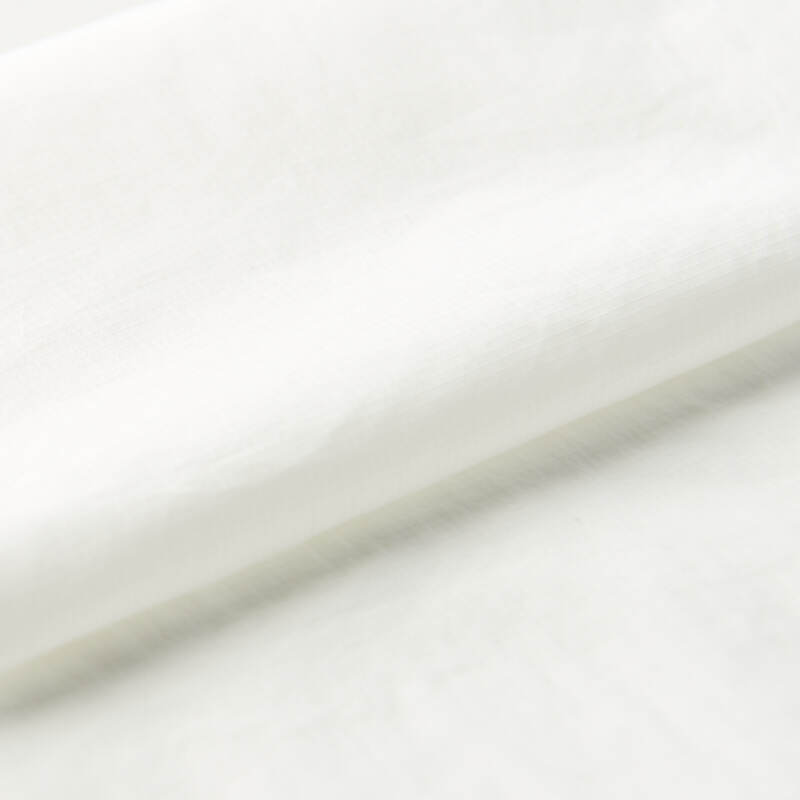
Athletes and fitness enthusiasts constantly seek advanced textile solutions that can handle the demands of intense physical activity. Modern sports apparel has evolved significantly from traditional cotton-based materials to sophisticated synthetic and natural fiber blends designed specifically for performance. The science behind moisture management in athletic wear has become increasingly complex, with manufacturers developing specialized materials that can regulate body temperature, reduce discomfort, and enhance overall athletic performance. Understanding how these advanced textiles function during high-intensity workouts provides valuable insight into selecting the most appropriate gear for various sporting activities.
The fundamental principle behind effective moisture management lies in the fabric's ability to transport perspiration away from the skin surface while facilitating rapid evaporation. This process involves multiple mechanisms working simultaneously to create a microclimate that maintains optimal skin temperature and dryness. Advanced textile engineering has produced materials that can move moisture through capillary action, creating channels within the fiber structure that promote efficient liquid transport. The effectiveness of this system depends on various factors including fiber composition, yarn construction, fabric weight, and finishing treatments applied during manufacturing.
Fundamentals of Moisture Transport Technology
Capillary Action Mechanisms
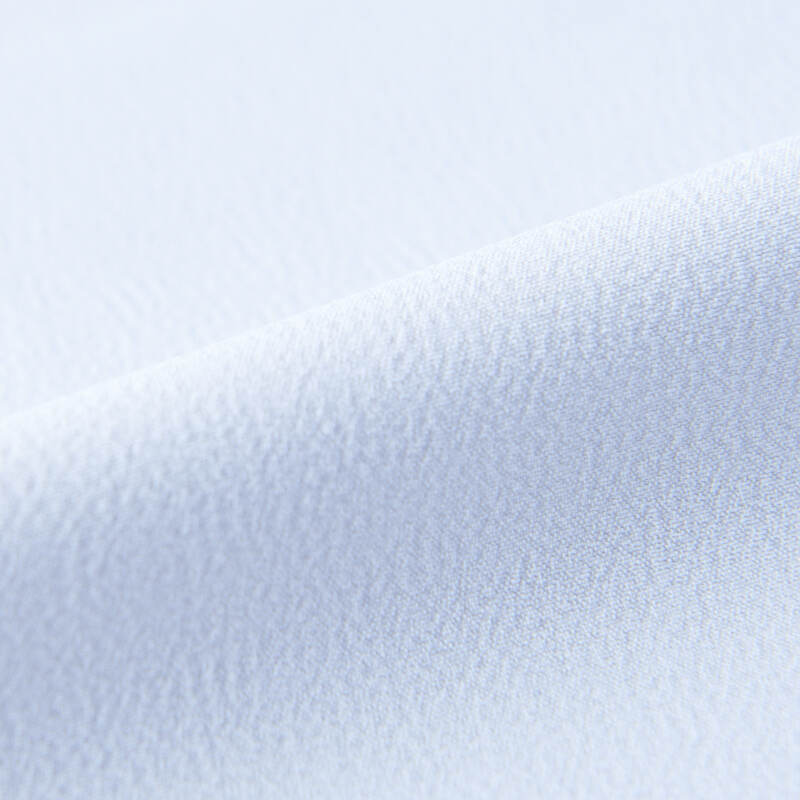
The science of capillary action forms the backbone of modern moisture management systems in athletic textiles. When wicking fabric encounters perspiration, the liquid molecules are drawn into microscopic spaces between and within the fibers through surface tension forces. This process occurs without any external pressure, relying instead on the natural tendency of liquids to move through small spaces when the material has appropriate hydrophilic properties. The speed and efficiency of this transport depend on the diameter of these capillary spaces, with optimal performance achieved when the spaces are neither too large nor too small.
Engineering the perfect capillary structure requires precise control over fiber cross-sections and surface treatments. Many high-performance fabrics feature specially designed fiber shapes, such as star or triangular cross-sections, which create additional surface area and improved moisture channels. These geometric modifications increase the fabric's ability to move liquid rapidly while maintaining structural integrity during repeated washing and wear cycles. The manufacturing process often involves creating gradients in hydrophilicity across the fabric thickness, with the skin-facing side optimized for moisture absorption and the outer surface designed for rapid evaporation.
Hydrophilic and Hydrophobic Properties
The balance between water-attracting and water-repelling characteristics determines how effectively a fabric manages moisture during athletic activities. Hydrophilic materials naturally attract water molecules, facilitating the initial absorption of perspiration from the skin surface. However, for optimal performance, the fabric must also possess hydrophobic qualities that prevent moisture retention and promote quick release to the surrounding environment. This dual functionality requires sophisticated chemical treatments or inherent fiber properties that create selective moisture behavior.
Modern wicking fabric often incorporates gradient hydrophilicity, where the inner surface maintains strong moisture-attracting properties while the outer surface exhibits hydrophobic characteristics. This design creates a moisture gradient that continuously drives perspiration away from the body. The chemical treatments used to achieve these properties must remain stable through multiple wash cycles while maintaining their effectiveness across various environmental conditions including different humidity levels and temperatures.
Performance Characteristics During High-Intensity Exercise
Temperature Regulation Mechanisms
Effective temperature regulation during intense physical activity requires more than simple moisture removal from the skin surface. High-performance textiles must facilitate the body's natural cooling mechanisms while preventing overheating or excessive heat loss. The evaporation of perspiration provides significant cooling through the latent heat of vaporization, but this process must occur at the optimal rate to maintain thermal equilibrium. Wicking fabric plays a crucial role in this process by ensuring that moisture reaches the fabric surface where evaporation can occur efficiently.
The thermal properties of athletic textiles extend beyond moisture management to include heat conduction and radiation characteristics. Materials with appropriate thermal conductivity help dissipate body heat while maintaining insulation properties when needed. The fabric structure, including yarn count, weave pattern, and fabric weight, influences air circulation and heat transfer rates. Advanced textiles often incorporate microfibers that create insulating air pockets while maintaining moisture transport capabilities, providing temperature regulation across varying environmental conditions.
Comfort and Performance Enhancement
The comfort provided by effective moisture management directly impacts athletic performance by reducing distractions and physical discomfort during exercise. When perspiration accumulates against the skin, it creates a breeding ground for bacteria and can cause chafing, irritation, and temperature regulation problems. High-quality wicking fabric addresses these issues by maintaining a consistently dry microclimate next to the skin, reducing friction and preventing the uncomfortable sensation of wet clothing during prolonged physical activity.
Performance enhancement through proper moisture management extends to psychological benefits as well as physical ones. Athletes who remain comfortable and dry throughout their workout can maintain focus and intensity levels that might otherwise diminish due to discomfort. The confidence that comes from knowing that clothing will perform effectively under stress allows athletes to push their limits without concern for equipment failure or discomfort. This psychological advantage can translate into measurable improvements in athletic performance and training consistency.
Fiber Technologies and Material Science
Synthetic Fiber Innovations
The development of synthetic fibers specifically designed for moisture management has revolutionized athletic apparel manufacturing. Polyester remains the most common base material for wicking fabric due to its inherent hydrophobic properties and structural versatility. However, modern polyester formulations incorporate various modifications including hollow fibers, microfibers, and specialty polymer blends that enhance moisture transport capabilities. These innovations allow manufacturers to fine-tune fabric performance for specific applications and environmental conditions.
Nylon and polypropylene represent additional synthetic options that offer unique advantages in moisture management applications. Polypropylene's naturally hydrophobic nature makes it exceptionally effective at moving moisture away from the skin, while nylon provides durability and stretch characteristics that enhance garment performance. Advanced manufacturing techniques can combine multiple synthetic fibers in single fabrics, creating hybrid materials that optimize different aspects of moisture management while maintaining other desired properties such as stretch, durability, and appearance.
Natural and Blended Material Systems
While synthetic materials dominate the moisture management market, natural fibers continue to play important roles in high-performance athletic textiles. Merino wool offers exceptional temperature regulation properties and natural antimicrobial characteristics that synthetic materials struggle to match. The unique structure of wool fibers allows them to absorb significant amounts of moisture while still feeling dry to the touch, providing comfort across a wide range of conditions. However, wool's performance in high-intensity applications often requires blending with synthetic materials to achieve optimal moisture transport rates.
Blended fabric systems combine the best characteristics of natural and synthetic materials while minimizing individual material limitations. A popular approach involves using wicking fabric that incorporates rayon or other cellulosic fibers with synthetic materials to create fabrics with enhanced comfort and performance characteristics. These blends can provide superior moisture management while maintaining the soft feel and breathability associated with natural materials. The proportion and arrangement of different fibers within the fabric structure determine the final performance characteristics and optimization for specific use cases.
Application-Specific Performance Considerations
Endurance Sports Applications
Endurance activities place unique demands on moisture management systems due to their prolonged duration and sustained perspiration rates. Marathon running, cycling, and other long-duration sports require fabrics that can maintain consistent performance over several hours while handling varying intensity levels and environmental conditions. The wicking fabric used in these applications must demonstrate exceptional durability and consistent moisture transport capabilities even when saturated with perspiration. Additionally, the fabric must resist the accumulation of salt deposits and maintain its performance characteristics throughout the duration of the activity.
The construction of garments for endurance sports often incorporates multiple fabric zones with different moisture management characteristics. Areas of high perspiration such as the back, underarms, and chest may feature fabrics with enhanced wicking properties, while other areas use materials optimized for stretch, durability, or aerodynamics. This zone construction approach allows designers to optimize performance across the entire garment while maintaining comfort and functionality. The seaming and construction techniques used in these garments must also support moisture management by avoiding areas where perspiration can accumulate.
High-Intensity Interval Training
High-intensity interval training presents different challenges for moisture management systems due to rapid changes in perspiration rates and body temperature. The fabric must quickly respond to sudden increases in moisture production while also adapting to recovery periods when perspiration rates decrease. This requires materials with rapid response times and excellent recovery characteristics that can reset between high-intensity intervals. The wicking fabric must also handle the repeated cycles of moisture loading and drying that occur during interval training sessions.
The psychological aspects of moisture management become particularly important during high-intensity intervals where mental focus and physical comfort directly impact performance. Fabrics that can maintain consistent dryness and comfort throughout varying intensity levels help athletes maintain concentration and push through difficult intervals. The reliability of moisture management becomes a critical factor in training consistency and progression, as athletes need confidence that their equipment will perform regardless of workout intensity or duration.
Environmental Factors and Adaptation
Climate and Humidity Considerations
Environmental conditions significantly influence the effectiveness of moisture management systems in athletic textiles. High humidity environments challenge wicking fabric performance by reducing the evaporation rate at the fabric surface, potentially leading to moisture retention and reduced cooling efficiency. In these conditions, fabrics must rely more heavily on moisture transport mechanisms rather than evaporation for comfort maintenance. The design of high-performance textiles for humid conditions often emphasizes enhanced air circulation and surface area optimization to maximize evaporation potential.
Conversely, low humidity environments can cause rapid moisture evaporation that may lead to overcooling or skin drying. Effective moisture management systems must balance rapid moisture transport with appropriate retention to prevent excessive drying while maintaining cooling benefits. Temperature variations also affect fabric performance, with cold conditions potentially reducing the efficiency of moisture transport mechanisms while hot conditions may overwhelm the system's capacity. Modern wicking fabric designs incorporate features that adapt to these varying conditions automatically.
Seasonal Performance Optimization
The seasonal variation in environmental conditions requires adaptive approaches to moisture management in athletic wear. Summer conditions typically demand maximum moisture transport and cooling capabilities, while winter applications may require more balanced systems that provide moisture management without excessive heat loss. The layering systems used in cold weather athletics rely on base layer fabrics with excellent moisture transport properties to move perspiration away from the skin while outer layers provide insulation and weather protection.
Spring and fall conditions present unique challenges with rapidly changing temperatures and humidity levels throughout single workout sessions. Fabrics designed for these transitional seasons must demonstrate versatility in their moisture management capabilities, adapting to changing conditions without compromising comfort or performance. The ability of wicking fabric to maintain consistent performance across varying environmental conditions often determines the success of athletic apparel in these challenging applications.
Maintenance and Longevity Factors
Care and Cleaning Protocols
Proper maintenance plays a crucial role in preserving the moisture management capabilities of athletic textiles throughout their useful life. The cleaning protocols used for wicking fabric must remove accumulated perspiration, body oils, and environmental contaminants without damaging the specialized surface treatments or fiber structures responsible for moisture transport. Traditional laundry detergents and fabric softeners can interfere with moisture management properties by leaving residues that block capillary channels or alter surface hydrophilicity.
Specialized sports detergents designed for technical fabrics help maintain performance characteristics while providing effective cleaning. These products typically avoid fabric softening agents and include ingredients that help restore moisture management properties. The washing temperature, cycle selection, and drying methods also influence fabric longevity and performance retention. High temperatures can damage synthetic fibers and surface treatments, while inadequate cleaning may allow the buildup of substances that impair moisture transport mechanisms.
Durability and Performance Retention
The long-term performance of moisture management systems depends on the durability of both the base fabric structure and any applied treatments or coatings. High-quality wicking fabric maintains its performance characteristics through hundreds of wash and wear cycles, while lower-quality materials may experience rapid degradation in moisture transport capabilities. The testing and quality control processes used during manufacturing help ensure that fabrics will meet performance expectations throughout their expected lifespan.
Performance retention involves multiple factors including resistance to abrasion, chemical degradation, and structural changes from repeated stretching and washing. The most durable moisture management systems incorporate these properties into the fundamental fiber structure rather than relying solely on surface treatments that may wear away over time. Understanding the expected lifespan and performance degradation patterns of different fabric types helps athletes make informed decisions about equipment replacement and performance expectations.
FAQ
How does wicking fabric work differently from regular cotton during exercise
Wicking fabric utilizes synthetic or specially treated natural fibers with hydrophobic properties that actively transport moisture away from the skin through capillary action, while cotton absorbs and retains moisture against the body. The specialized fiber construction and surface treatments in wicking materials create channels that move perspiration to the fabric surface where it can evaporate quickly, keeping the skin dry and comfortable. Cotton, in contrast, becomes saturated with moisture and loses its insulation properties while remaining wet against the skin, leading to discomfort and potential chafing during prolonged exercise.
What factors determine the effectiveness of moisture management in athletic wear
The effectiveness of moisture management depends on fiber composition, yarn construction, fabric weight, surface treatments, and garment design. The hydrophilic and hydrophobic balance of the material, along with the size and distribution of capillary channels within the fabric structure, determines how quickly moisture moves away from the skin. Environmental factors such as humidity, temperature, and air circulation also significantly influence performance, as does the intensity and duration of physical activity. Proper fit and construction techniques ensure that the fabric can function optimally without restriction or moisture accumulation at seams and pressure points.
How long do the moisture-wicking properties last in athletic garments
High-quality wicking fabric typically maintains effective moisture management properties for 200-500 wash cycles when properly cared for, though performance may gradually decline over time. The longevity depends on the type of moisture management system used, with inherent fiber properties generally lasting longer than applied surface treatments. Proper washing with sports-specific detergents, avoiding fabric softeners, and following manufacturer care instructions significantly extends the functional lifespan. Signs that moisture-wicking properties are declining include increased drying time, persistent odors, or the fabric feeling wet against the skin during exercise.
Can moisture-wicking fabrics work effectively in high humidity environments
While wicking fabric performance is reduced in high humidity conditions due to slower evaporation rates, quality materials can still provide significant comfort benefits compared to traditional fabrics. The moisture transport properties continue to function by moving perspiration away from the skin surface, even when evaporation is limited. Fabrics designed for humid conditions often feature enhanced surface area, improved air circulation properties, and optimized fiber structures that maximize the available evaporation potential. The key is managing expectations and choosing fabrics specifically engineered for the intended environmental conditions while maintaining realistic performance expectations.
Table of Contents
- Fundamentals of Moisture Transport Technology
- Performance Characteristics During High-Intensity Exercise
- Fiber Technologies and Material Science
- Application-Specific Performance Considerations
- Environmental Factors and Adaptation
- Maintenance and Longevity Factors
-
FAQ
- How does wicking fabric work differently from regular cotton during exercise
- What factors determine the effectiveness of moisture management in athletic wear
- How long do the moisture-wicking properties last in athletic garments
- Can moisture-wicking fabrics work effectively in high humidity environments