
 EN
EN
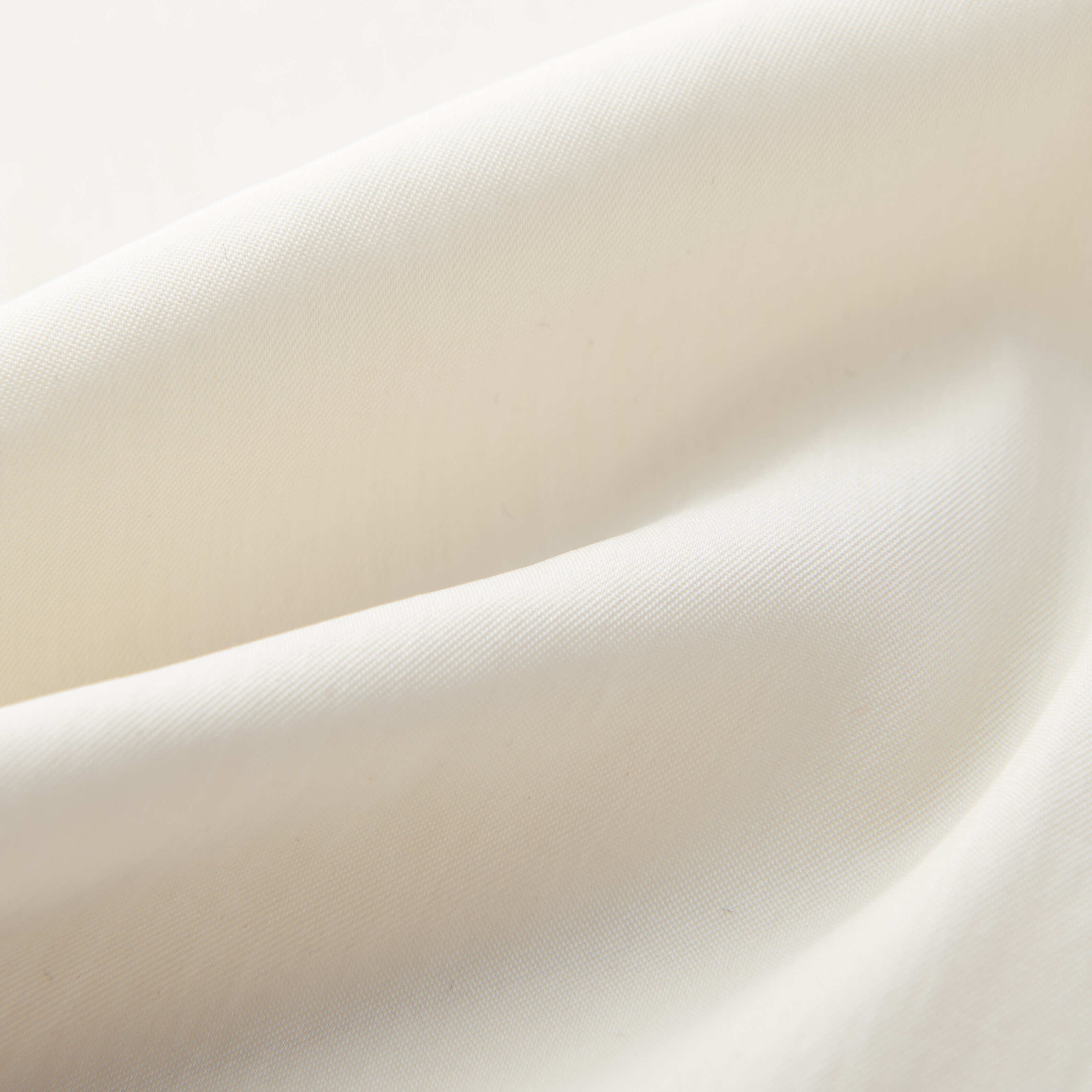
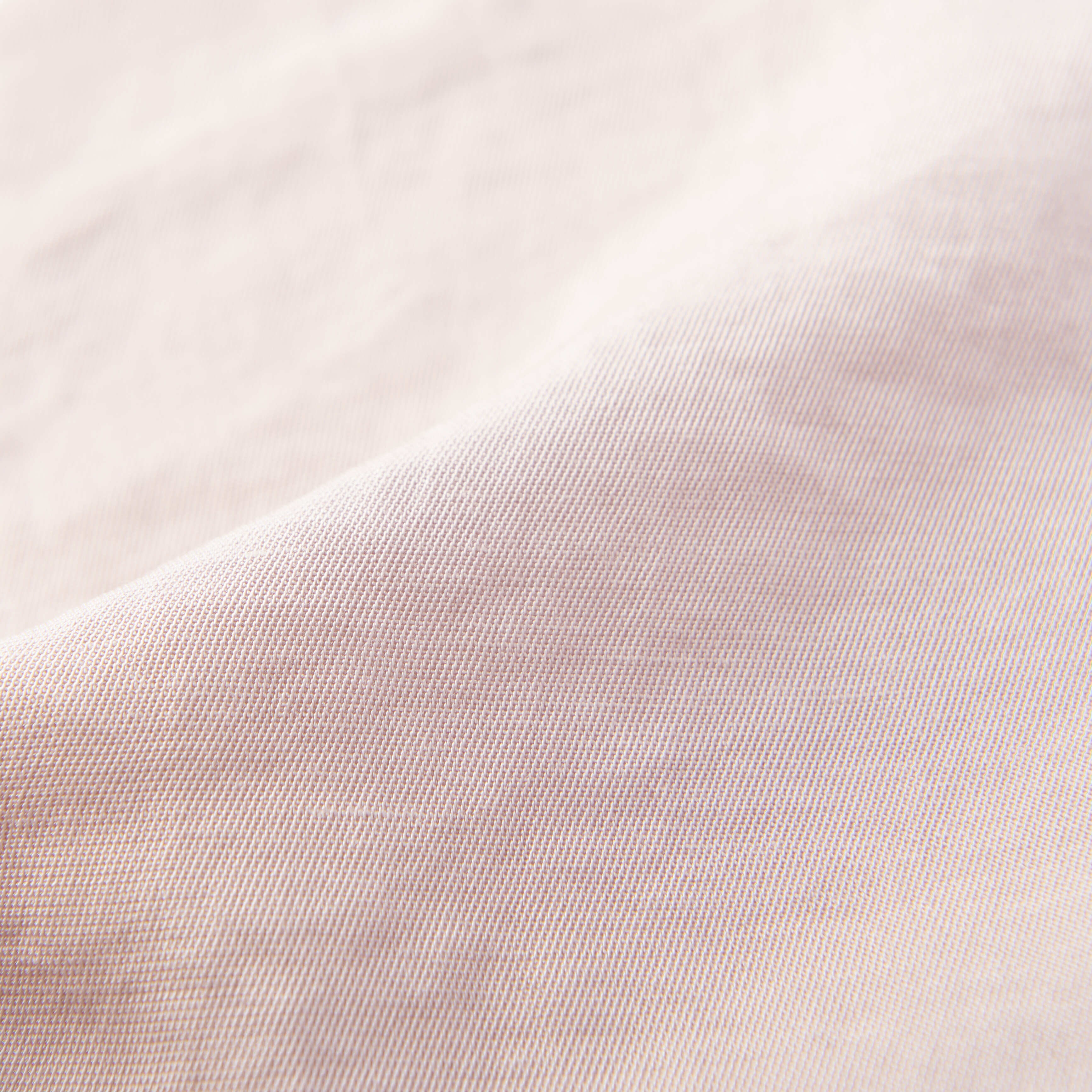
Modern performance gear has evolved dramatically, with second-skin fabric emerging as a revolutionary textile technology that transforms how athletes and active individuals experience comfort and mobility. This advanced textile innovation creates an intimate connection between the wearer and their clothing, delivering unprecedented fit characteristics that enhance performance across various applications. The unique properties of second-skin fabric enable garments to move seamlessly with the body, eliminating the traditional barriers between clothing and skin that have historically limited athletic performance and everyday comfort.
The development of second-skin fabric represents a significant breakthrough in textile engineering, combining advanced fiber technology with innovative weaving techniques to create materials that behave more like human skin than traditional fabrics. These textiles demonstrate exceptional elasticity, recovery, and breathability characteristics that make them ideal for high-performance applications where comfort and functionality are paramount. Understanding the specific fit benefits these materials provide helps consumers make informed decisions when selecting performance gear for various activities and environments.
Enhanced Mobility and Flexibility Features
Multi-Directional Stretch Capabilities
Second-skin fabric excels in providing comprehensive stretch properties that extend in multiple directions, allowing wearers to move naturally without restriction. This multi-directional elasticity ensures that garments made from these materials can accommodate complex body movements during athletic activities, from dynamic stretching routines to high-intensity sports performance. The fabric's ability to stretch uniformly across the grain and bias directions prevents bunching, pulling, or binding that commonly occurs with traditional textiles during physical exertion.
The advanced fiber composition of second-skin fabric typically incorporates elastane or spandex fibers interwoven with high-performance synthetic materials, creating a textile matrix that responds instantly to body movement. This responsive characteristic means the fabric moves with the wearer rather than against them, reducing energy waste and improving overall efficiency during physical activities. The superior stretch recovery ensures that garments maintain their shape and fit even after repeated stretching and movement cycles.
Compression and Support Benefits
Beyond simple stretch capabilities, second-skin fabric provides graduated compression that supports muscle groups and enhances circulation during physical activity. This compression characteristic helps reduce muscle fatigue and supports proper body alignment, making it particularly valuable for endurance athletes and individuals engaged in prolonged physical activities. The fabric's ability to provide consistent pressure across different body areas contributes to improved performance and reduced recovery time.
The compression properties of second-skin fabric also contribute to enhanced proprioception, helping wearers maintain better body awareness during movement. This heightened sensory feedback can improve balance, coordination, and overall athletic performance. Additionally, the supportive characteristics of these materials can help prevent minor injuries by providing gentle stabilization to joints and muscle groups during dynamic movements.
Temperature Regulation and Moisture Management
Advanced Thermoregulation Properties
Second-skin fabric incorporates sophisticated moisture-wicking technologies that actively transport perspiration away from the skin surface, maintaining optimal body temperature during various activity levels. These materials feature engineered fiber structures that create capillary channels for efficient moisture transfer, ensuring that sweat is quickly moved from the skin to the fabric's outer surface where it can evaporate efficiently. This moisture management capability prevents the accumulation of dampness that can lead to discomfort, chafing, and reduced performance.
The thermoregulation benefits of extend beyond simple moisture management to include dynamic temperature adaptation. The material's structure allows for variable insulation properties that respond to changing environmental conditions and activity levels. During high-intensity activities, the fabric facilitates maximum heat dissipation, while providing adequate insulation during rest periods or cooler conditions.
Breathability and Ventilation Systems
The microscopic structure of second-skin fabric includes strategically designed ventilation zones that enhance airflow across the skin surface. These engineered breathability features ensure continuous air circulation that helps regulate body temperature and prevents the buildup of excessive heat and moisture. The fabric's ability to maintain breathability while providing a close, comfortable fit represents a significant advancement over traditional performance textiles that often sacrifice ventilation for compression or support.
Advanced second-skin fabric formulations incorporate phase-change materials and other innovative technologies that actively respond to temperature fluctuations. These smart textile features help maintain a consistent microclimate next to the skin, regardless of external temperature variations or changes in activity intensity. This sophisticated temperature regulation capability makes second-skin fabric particularly valuable for athletes who experience varying environmental conditions during training or competition.
Comfort and Skin-Friendly Characteristics
Seamless Integration and Reduced Friction
One of the most significant advantages of second-skin fabric is its ability to create garments with minimal seam construction, reducing potential friction points that can cause irritation during extended wear. The material's conforming properties allow for innovative construction techniques that eliminate traditional seam placement in high-friction areas, such as underarms, inner thighs, and waistlines. This seamless design approach significantly reduces the risk of chafing and hot spots that commonly occur with conventional athletic wear.
The smooth surface texture of second-skin fabric contributes to its exceptional comfort characteristics by minimizing abrasion against the skin during movement. The material's ability to glide smoothly across skin surfaces while maintaining secure positioning prevents the dragging or catching that can occur with rougher textile surfaces. This friction-reduction benefit becomes particularly important during long-duration activities where even minor irritation can compound into significant discomfort.
Hypoallergenic and Antimicrobial Properties
Modern second-skin fabric formulations often incorporate antimicrobial treatments and hypoallergenic fiber compositions that make them suitable for individuals with sensitive skin conditions. These treatments help prevent the growth of odor-causing bacteria and fungi, maintaining garment freshness even during intense physical activities. The antimicrobial properties also contribute to better skin health by reducing the risk of infections or irritations that can occur with prolonged contact between damp fabric and skin.
The chemical composition of second-skin fabric is carefully engineered to minimize potential allergens and irritants that could cause adverse skin reactions. Many manufacturers use certified organic or specially treated synthetic fibers that have been tested for biocompatibility and skin safety. This attention to dermatological compatibility makes second-skin fabric an excellent choice for individuals with allergies, eczema, or other sensitive skin conditions who require performance gear that won't exacerbate their symptoms.
Durability and Performance Longevity
Shape Retention and Elastic Recovery
Second-skin fabric demonstrates exceptional shape retention properties that ensure garments maintain their fit and performance characteristics throughout their lifecycle. The advanced fiber technology used in these materials provides superior elastic recovery, meaning the fabric returns to its original dimensions after stretching or deformation. This characteristic prevents the sagging, bagging, or permanent distortion that commonly affects traditional stretch fabrics after repeated use and washing.
The molecular structure of second-skin fabric incorporates cross-linked polymer chains that maintain their elasticity even under extreme stress conditions. This advanced engineering ensures that performance benefits such as compression, support, and mobility enhancement remain consistent over time, providing users with reliable gear that continues to perform at optimal levels throughout its useful life. The superior shape retention also means that garments maintain their aesthetic appearance and professional presentation even after extensive use.
Resistance to Environmental Factors
Second-skin fabric exhibits remarkable resistance to environmental factors that typically degrade textile performance, including UV radiation, chlorine exposure, salt water, and extreme temperatures. This environmental resistance makes the material particularly valuable for outdoor activities, swimming, and other applications where exposure to harsh conditions is unavoidable. The fabric's ability to maintain its performance characteristics despite challenging environmental exposure extends garment life and provides consistent performance across diverse applications.
The chemical stability of second-skin fabric also provides resistance to degradation from frequent washing and care cycles. Advanced fiber treatments help the material maintain its color, texture, and performance properties even after numerous wash cycles, ensuring that investment in high-quality performance gear provides long-term value. This durability characteristic makes second-skin fabric an economical choice for serious athletes and active individuals who depend on reliable performance gear.
Applications Across Different Activity Types
Athletic Performance and Competition Wear
In competitive athletics, second-skin fabric provides critical performance advantages that can influence athletic outcomes. The material's ability to reduce drag, enhance circulation, and provide muscle support makes it particularly valuable for sports requiring precise movement control and endurance. Elite athletes rely on second-skin fabric garments for competitions where even marginal performance gains can determine victory or defeat, making fabric selection a crucial component of their competitive strategy.
The compression characteristics of second-skin fabric help athletes maintain optimal muscle alignment and reduce vibration during high-impact activities. This support can improve power transfer efficiency and reduce energy expenditure during prolonged athletic performance. Additionally, the superior moisture management capabilities help athletes maintain comfort and focus during intense competition, eliminating distractions that could negatively impact performance outcomes.
Recovery and Rehabilitation Applications
Second-skin fabric plays an important role in athletic recovery and rehabilitation programs, providing gentle compression that supports healing and reduces swelling in injured tissues. The material's ability to provide consistent, graduated pressure helps promote circulation and lymphatic drainage, accelerating recovery from minor injuries and intense training sessions. Physical therapists and sports medicine professionals often recommend garments made from second-skin fabric as part of comprehensive recovery protocols.
The comfort characteristics of second-skin fabric make it suitable for extended wear during recovery periods when traditional clothing might cause irritation or discomfort. The material's breathability and moisture management properties help maintain skin health during prolonged compression therapy, reducing the risk of secondary complications from extended garment wear. These recovery applications demonstrate the versatility of second-skin fabric beyond pure athletic performance.
Selection Criteria and Quality Considerations
Fiber Composition and Construction Methods
When evaluating second-skin fabric options, understanding fiber composition and construction methods helps consumers identify products that will deliver optimal performance for their specific applications. High-quality second-skin fabric typically incorporates premium synthetic fibers such as nylon, polyester, or specialized performance fibers combined with elastane or spandex for stretch properties. The ratio and arrangement of these fibers significantly impact the final fabric characteristics and performance capabilities.
Advanced construction techniques such as seamless knitting, flat-lock seaming, and bonded construction contribute to the overall performance of second-skin fabric garments. These manufacturing methods minimize bulk and potential irritation points while maximizing the fabric's natural conforming properties. Understanding these construction details helps consumers select products that will provide the specific performance benefits they require for their intended applications.
Care and Maintenance Requirements
Proper care and maintenance of second-skin fabric garments is essential for preserving their performance characteristics and extending their useful life. These materials typically require specific washing temperatures, detergent types, and drying methods to maintain their elasticity and moisture-wicking properties. Following manufacturer care instructions helps ensure that the fabric's advanced features continue to function optimally throughout the garment's lifecycle.
The investment in high-quality second-skin fabric garments justifies careful attention to maintenance procedures that protect the material's integrity. Avoiding fabric softeners, excessive heat, and harsh chemicals helps preserve the fiber structure and performance treatments that give second-skin fabric its unique characteristics. Proper storage and rotation of garments also contributes to maintaining their shape and performance properties over time.
FAQ
How does second-skin fabric differ from regular stretch fabrics
Second-skin fabric represents a significant advancement over regular stretch fabrics through its superior multi-directional elasticity, enhanced recovery properties, and advanced moisture management capabilities. While regular stretch fabrics typically provide basic flexibility in one or two directions, second-skin fabric offers comprehensive stretch that moves naturally with the body in all directions. Additionally, second-skin fabric incorporates sophisticated fiber technologies that provide compression, temperature regulation, and antimicrobial properties that standard stretch materials cannot match.
Can second-skin fabric cause skin irritation or allergic reactions
High-quality second-skin fabric is specifically engineered to minimize skin irritation and allergic reactions through hypoallergenic fiber compositions and specialized treatments. Most reputable manufacturers test their materials for biocompatibility and use certified safe fibers and dyes. However, individuals with severe sensitivities should always test new garments on a small skin area before extended wear and consult with dermatologists if they have specific concerns about textile allergies.
What is the typical lifespan of garments made from second-skin fabric
Garments made from premium second-skin fabric typically last 2-3 times longer than conventional athletic wear when properly cared for, with many maintaining their performance characteristics for several years of regular use. The superior elastic recovery and environmental resistance of these materials help them maintain shape and function even after hundreds of wash cycles. Lifespan varies based on frequency of use, care practices, and specific fabric quality, but investment in high-quality second-skin fabric generally provides excellent long-term value.
Is second-skin fabric suitable for all body types and sizes
Second-skin fabric's advanced stretch and recovery properties make it adaptable to a wide range of body types and sizes, providing comfortable fit across diverse physical characteristics. The material's ability to stretch significantly while maintaining supportive compression means it can accommodate body changes and variations more effectively than rigid fabrics. However, proper sizing remains important to achieve optimal performance benefits, and manufacturers typically provide detailed sizing guides to help consumers select appropriate garment dimensions for their specific body measurements and intended use.