
 EN
EN

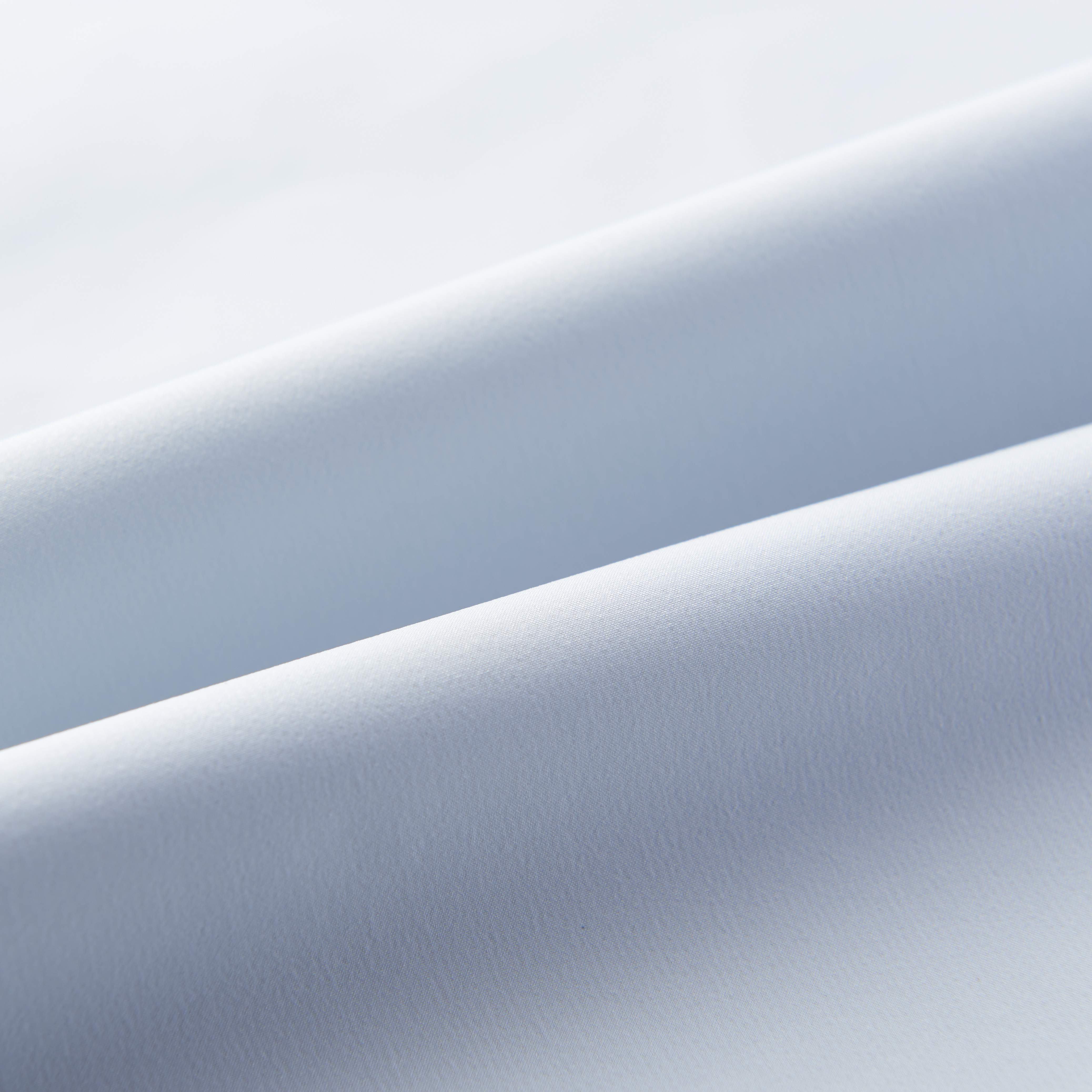
The textile industry has witnessed remarkable innovations in fabric technology, with soft-touch fabric emerging as a revolutionary solution for enhanced comfort in casual wear. This advanced material represents a significant leap forward in addressing the growing consumer demand for garments that feel luxurious against the skin while maintaining durability and performance. Modern consumers prioritize comfort above all else when selecting casual wear, driving manufacturers to develop fabrics that combine the tactile appeal of premium materials with the practicality needed for everyday use. The development of soft-touch fabric technology has fundamentally changed how we experience clothing comfort, offering a silky-smooth sensation that transforms ordinary garments into exceptional pieces.
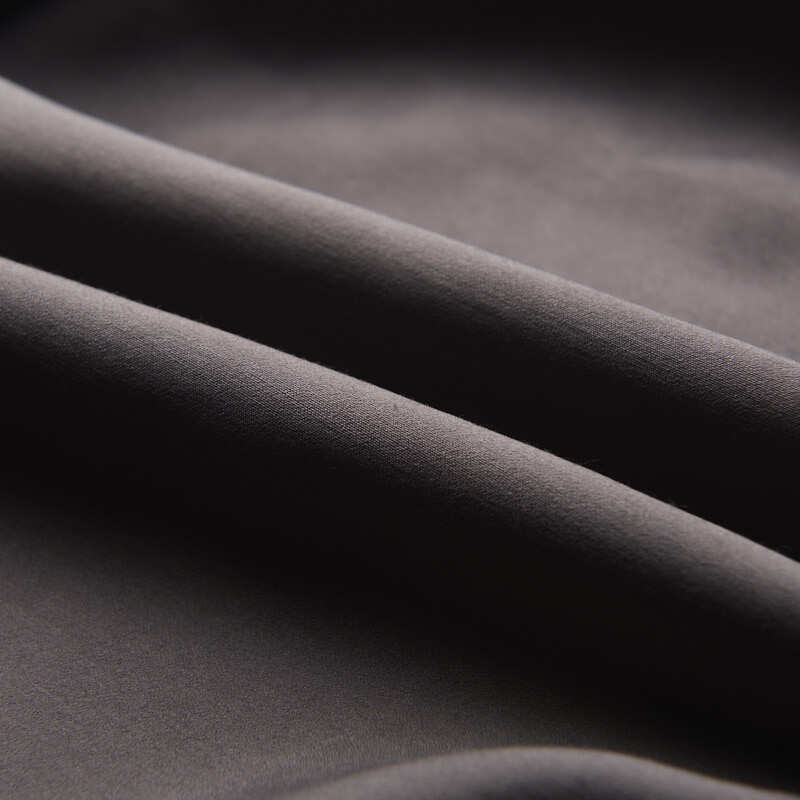
Understanding Soft-Touch Fabric Technology
Fiber Engineering and Structure
The foundation of soft-touch fabric lies in sophisticated fiber engineering that manipulates the molecular structure of textile materials. Manufacturers employ advanced processing techniques to create microfibers with reduced diameter, resulting in a significantly softer hand feel compared to conventional fabrics. These ultra-fine fibers create a higher surface area contact with the skin, distributing pressure more evenly and eliminating the rough texture associated with traditional materials. The engineering process involves precise control of fiber denier, which measures the weight and thickness of individual fibers, allowing textile specialists to achieve the optimal balance between softness and structural integrity.
Chemical treatments play a crucial role in enhancing the tactile properties of soft-touch fabric during the manufacturing process. Specialized finishing agents are applied to modify the surface characteristics of fibers, creating a smooth, peach-skin-like texture that glides effortlessly against human skin. These treatments also improve the fabric's ability to regulate moisture and temperature, contributing to overall comfort during extended wear. The chemical composition is carefully formulated to maintain fabric durability while maximizing the sensory experience for the wearer.
Manufacturing Innovations
Modern textile manufacturing has embraced cutting-edge technologies to produce soft-touch fabric with consistent quality and performance characteristics. Advanced knitting and weaving techniques create fabric structures that maximize surface smoothness while maintaining the necessary stretch and recovery properties essential for casual wear applications. Computer-controlled machinery ensures precise tension management throughout the production process, preventing irregularities that could compromise the fabric's soft hand feel.
Quality control measures in soft-touch fabric production involve rigorous testing protocols that evaluate tactile properties, colorfastness, and dimensional stability. Manufacturers utilize specialized equipment to measure fabric softness objectively, ensuring each batch meets strict comfort standards. These testing procedures include abrasion resistance evaluations to guarantee that the soft surface characteristics remain intact throughout the garment's lifecycle, providing long-lasting comfort for consumers.
Benefits of Soft-Touch Fabric in Casual Wear
Enhanced Skin Comfort
The primary advantage of soft-touch fabric in casual wear applications is its ability to provide exceptional skin comfort throughout the day. Unlike traditional fabrics that may cause irritation or chafing during prolonged wear, this advanced material creates a barrier-free experience between clothing and skin. The smooth surface texture eliminates friction points that commonly occur at seams and high-movement areas, making it ideal for activewear and loungewear applications. Individuals with sensitive skin particularly benefit from the hypoallergenic properties inherent in quality soft-touch fabric formulations.
Temperature regulation represents another significant comfort benefit offered by soft-touch fabric technology. The engineered fiber structure promotes airflow while maintaining insulation properties, creating an optimal microclimate next to the skin. This breathability prevents the accumulation of moisture and heat that can lead to discomfort during physical activity or in varying environmental conditions. The fabric's ability to wick moisture away from the skin while maintaining its soft texture ensures consistent comfort regardless of activity level or climate conditions.
Durability and Performance
Despite its luxurious feel, soft-touch fabric maintains impressive durability characteristics that make it suitable for frequent washing and regular wear. The advanced fiber engineering that creates the soft texture also enhances the material's resistance to pilling, stretching, and color fading. This durability ensures that casual wear garments retain their comfortable feel and attractive appearance throughout their intended lifespan, providing excellent value for consumers who prioritize both comfort and longevity in their clothing choices.
The performance characteristics of soft-touch fabric extend beyond basic durability to include enhanced shape retention and recovery properties. Garments made from this material maintain their original fit and silhouette even after repeated wearing and washing cycles. This shape stability is particularly important in casual wear applications where consumers expect their clothing to look and feel consistent over time, reducing the need for frequent replacement and contributing to sustainable fashion practices.
Applications Across Casual Wear Categories
Everyday Essentials
Basic casual wear items such as t-shirts, polo shirts, and casual pants benefit tremendously from soft-touch fabric construction. These garments, which form the foundation of most wardrobes, require materials that can withstand daily wear while providing consistent comfort. The enhanced tactile experience offered by soft-touch fabric elevates these essential pieces from merely functional to genuinely enjoyable to wear, encouraging brand loyalty and customer satisfaction among consumers who appreciate superior quality materials.
Casual dresses and skirts constructed from soft-touch fabric offer women comfortable options for various social and professional settings. The material's draping characteristics create flattering silhouettes while ensuring all-day comfort, making it particularly suitable for garments that require extended wear periods. The fabric's resistance to wrinkles and creasing maintains a polished appearance throughout the day, eliminating the need for frequent adjustments or touch-ups that can detract from the wearing experience.
Active and Leisure Wear
Athletic and leisure wear applications showcase the versatility of soft-touch fabric technology in performance-oriented garments. The material's moisture-wicking properties combine with its comfortable texture to create ideal conditions for physical activity, reducing distractions caused by fabric-related discomfort. Yoga pants, athletic shirts, and casual shorts made from soft-touch fabric allow for unrestricted movement while maintaining skin comfort during exercise routines or recreational activities.
Loungewear and sleepwear represent prime applications for soft-touch fabric technology, where comfort takes precedence over all other considerations. Pajamas, robes, and casual home wear crafted from this material provide a spa-like experience that enhances relaxation and rest quality. The fabric's breathable characteristics ensure optimal sleep comfort by preventing overheating and moisture buildup that can disrupt sleep patterns, making it an excellent choice for premium loungewear collections.
Consumer Preferences and Market Trends
Evolving Comfort Standards
Contemporary consumers have developed increasingly sophisticated expectations regarding fabric comfort, driving demand for soft-touch fabric solutions across all clothing categories. Market research indicates that tactile experience ranks among the top factors influencing purchasing decisions for casual wear, with consumers willing to pay premium prices for garments that deliver superior comfort. This trend reflects a broader shift toward quality over quantity in fashion consumption, with buyers prioritizing long-term satisfaction over short-term savings when selecting casual wear items.
The growing awareness of textile technology among consumers has created a more discerning market that actively seeks out soft-touch fabric options. Social media and online reviews have amplified consumer voices regarding fabric performance, creating pressure on manufacturers to deliver consistently high-quality tactile experiences. This informed consumer base drives innovation in soft-touch fabric development, encouraging continuous improvement in comfort characteristics and performance attributes.
Sustainability Considerations
Environmental consciousness has become a significant factor in soft-touch fabric development, with manufacturers exploring sustainable production methods and eco-friendly material options. Advanced recycling technologies enable the creation of soft-touch fabric from post-consumer waste materials, reducing environmental impact while maintaining the desired comfort characteristics. These sustainable approaches appeal to environmentally conscious consumers who seek to minimize their ecological footprint without compromising on comfort or quality in their casual wear choices.
The durability inherent in quality soft-touch fabric contributes to sustainability goals by extending garment lifecycles and reducing replacement frequency. Consumers increasingly recognize that investing in higher-quality materials leads to longer-lasting clothing that provides better long-term value while reducing waste. This alignment between comfort, quality, and environmental responsibility positions soft-touch fabric as an ideal solution for conscious consumers seeking to balance personal comfort with ecological responsibility in their fashion choices.
Care and Maintenance of Soft-Touch Garments
Washing and Drying Guidelines
Proper care techniques are essential for maintaining the comfort characteristics of soft-touch fabric throughout the garment's lifespan. Gentle washing cycles with cool water temperatures preserve the fiber structure and surface treatments that create the distinctive soft feel. Mild detergents without harsh chemicals or brightening agents help maintain the fabric's tactile properties while ensuring thorough cleaning. Avoiding fabric softeners is crucial, as these products can create buildup that interferes with the engineered surface characteristics of soft-touch fabric materials.
Air drying represents the optimal method for preserving soft-touch fabric integrity, though low-heat machine drying is acceptable when necessary. High temperatures can damage the specialized fiber treatments that create the soft texture, leading to premature deterioration of comfort characteristics. Proper drying techniques help maintain the fabric's shape retention properties while preserving the smooth surface texture that defines the soft-touch experience for consumers seeking long-lasting comfort in their casual wear.
Storage and Handling
Appropriate storage methods help preserve the tactile qualities of soft-touch fabric garments between wearing occasions. Hanging garments when possible prevents compression that could temporarily flatten the fiber structure, maintaining the optimal surface texture for comfortable wear. For folded storage, using tissue paper or breathable garment bags prevents friction that could damage the smooth surface characteristics while allowing air circulation to prevent moisture accumulation that might affect fabric performance.
Regular rotation of soft-touch fabric garments in wardrobes ensures even wear patterns and extends overall garment life. This practice prevents excessive stress on individual pieces while allowing fabrics to recover their optimal shape and texture between uses. Proper handling during wearing and storage maintains the investment value of soft-touch fabric garments while ensuring consistent comfort performance throughout their intended lifespan.
FAQ
What makes soft-touch fabric different from regular cotton or polyester
Soft-touch fabric differs from conventional materials through advanced fiber engineering and specialized surface treatments that create an exceptionally smooth texture. While regular cotton and polyester rely on natural or basic synthetic properties, soft-touch fabric undergoes sophisticated processing to reduce fiber diameter and enhance surface characteristics. This results in a peach-skin-like feel that eliminates the roughness or stiffness associated with traditional fabrics, providing superior comfort against the skin.
How long does the soft texture last in soft-touch fabric garments
Quality soft-touch fabric maintains its distinctive texture for the entire lifespan of the garment when properly cared for according to manufacturer guidelines. The engineered fiber structure and surface treatments are designed to withstand normal washing and wearing conditions without significant deterioration. Most premium soft-touch fabric garments retain their comfort characteristics through hundreds of wash cycles, making them an excellent long-term investment for consumers prioritizing comfort and durability in their casual wear selections.
Can soft-touch fabric cause allergic reactions or skin sensitivities
High-quality soft-touch fabric is generally hypoallergenic and suitable for individuals with sensitive skin conditions. The smooth surface texture reduces friction that can irritate sensitive skin, while the breathable characteristics prevent moisture buildup that could exacerbate skin sensitivities. However, individuals with specific textile allergies should always check fabric composition and manufacturing details before purchase, as sensitivity reactions can vary based on individual conditions and specific material formulations used in different soft-touch fabric products.
What types of casual wear benefit most from soft-touch fabric construction
Garments that have direct skin contact or require extended wearing periods benefit most from soft-touch fabric construction. This includes basic t-shirts, undergarments, loungewear, sleepwear, and athletic wear where comfort takes priority over other characteristics. Casual dresses, casual pants, and tops that are worn frequently also benefit significantly from the enhanced comfort provided by soft-touch fabric technology, as the superior tactile experience improves overall wearing satisfaction and encourages regular use of these wardrobe essentials.