
 EN
EN

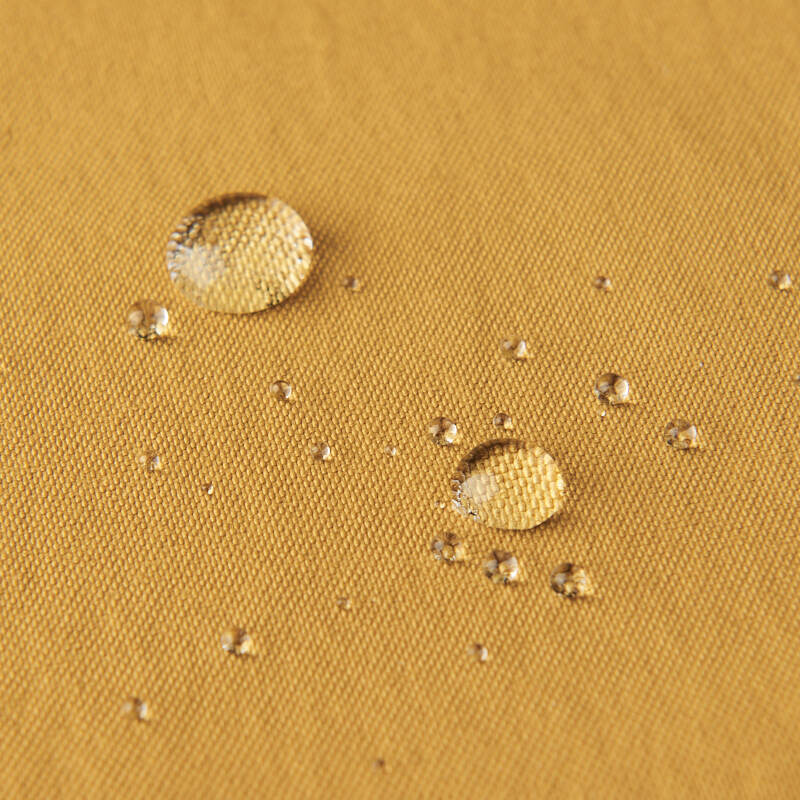
The luxury fashion industry is experiencing a transformative shift as consumers and manufacturers increasingly prioritize sustainability without compromising quality. Modern high-end apparel demands fabrics that meet rigorous performance standards while maintaining environmental responsibility. Understanding what defines an eco-friendly fabric for premium garments requires examining multiple criteria including raw material sourcing, production methods, durability specifications, and end-of-life considerations. These standards ensure that sustainable textiles can compete with traditional luxury materials in both performance and aesthetic appeal.
Material Composition and Sourcing Standards
Organic and Renewable Fiber Requirements
High-quality eco-friendly fabric begins with carefully selected raw materials that minimize environmental impact during cultivation and processing. Organic cotton, linen, hemp, and bamboo represent primary natural options that avoid synthetic pesticides and fertilizers during growth. These materials must undergo certification processes such as GOTS (Global Organic Textile Standard) or OEKO-TEX Standard 100 to verify their organic credentials. The sourcing process requires transparency in supply chains, ensuring that fiber production supports fair labor practices and sustainable agricultural methods.
Premium eco-friendly fabric manufacturers also incorporate innovative plant-based materials like Tencel, Modal, and Lyocell, which are derived from sustainably managed forests. These semi-synthetic fibers offer superior moisture-wicking properties and silk-like textures that appeal to luxury consumers. The closed-loop production systems used for these materials recover and reuse processing chemicals, significantly reducing waste and environmental pollution compared to conventional textile manufacturing.
Recycled and Upcycled Content Integration
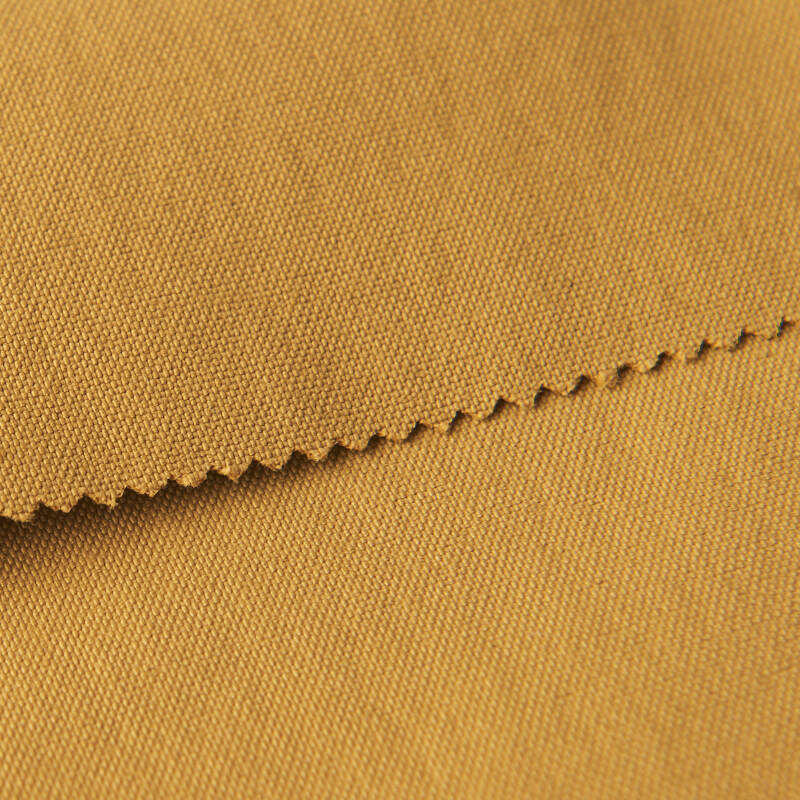
Modern sustainable textiles increasingly incorporate recycled content from post-consumer waste, including plastic bottles, discarded clothing, and industrial textile scraps. High-performance recycled polyester and nylon maintain the durability and technical properties required for premium apparel while diverting waste from landfills. The integration of recycled fibers requires precise blending ratios to ensure that the resulting eco-friendly fabric meets strength, colorfastness, and texture standards expected in luxury markets.
Upcycling processes transform textile waste into new premium materials through mechanical and chemical recycling technologies. These methods break down existing fibers and reconstruct them into new yarns with enhanced properties. Quality control measures ensure that recycled content maintains consistent performance characteristics across different production batches, enabling reliable supply chains for high-end fashion brands.
Production Process Environmental Standards
Water Conservation and Chemical Management
Sustainable textile production requires comprehensive water management systems that minimize consumption and eliminate harmful discharge. Eco-friendly fabric manufacturers implement closed-loop water systems, advanced filtration technologies, and natural dyeing processes to reduce environmental impact. Conventional textile dyeing consumes enormous quantities of water and releases toxic chemicals, making water stewardship a critical performance standard for sustainable alternatives.
Chemical management protocols ensure that eco-friendly fabric production avoids hazardous substances listed in international safety standards. Low-impact dyes, natural mordants, and plant-based finishing treatments replace conventional chemicals that pose risks to human health and ecosystems. These alternative processes often require longer processing times and specialized equipment, but they enable premium brands to offer truly sustainable luxury products to environmentally conscious consumers.
Energy Efficiency and Carbon Footprint Reduction
Manufacturing facilities producing high-quality eco-friendly fabric must demonstrate measurable reductions in energy consumption and greenhouse gas emissions. Renewable energy integration, including solar and wind power, helps minimize the carbon footprint of textile production. Energy-efficient machinery, optimized heating and cooling systems, and waste heat recovery technologies further contribute to sustainability goals while maintaining production quality standards.
Life cycle assessments (LCA) quantify the environmental impact of eco-friendly fabric from raw material extraction through disposal or recycling. These comprehensive analyses enable manufacturers to identify improvement opportunities and provide transparency to brands and consumers regarding environmental performance. Carbon neutral or carbon negative production becomes increasingly important as luxury consumers seek products that align with their environmental values.
Physical Performance and Durability Criteria
Tensile Strength and Wear Resistance
Premium eco-friendly fabric must meet or exceed conventional textiles in terms of physical performance metrics. Tensile strength testing ensures that sustainable materials can withstand the stresses associated with high-end garment construction and extended wear cycles. Natural and recycled fibers undergo extensive testing to verify their ability to maintain structural integrity under various conditions including stretching, abrasion, and repeated washing.
Abrasion resistance testing measures how well eco-friendly fabric withstands surface wear from friction and contact with other materials. Luxury apparel requires textiles that maintain their appearance and texture even after extended use, making durability testing essential for market acceptance. Advanced fiber treatments and weaving techniques enhance the longevity of sustainable materials without compromising their environmental credentials.
Colorfastness and Aesthetic Stability
High-end fashion demands that eco-friendly fabric maintains color vibrancy and aesthetic appeal throughout its lifecycle. Colorfastness testing evaluates how well sustainable dyes and pigments resist fading when exposed to light, washing, and environmental factors. Natural and low-impact dyeing processes must achieve performance levels comparable to conventional synthetic dyes to meet luxury market expectations.
Dimensional stability testing ensures that eco-friendly fabric maintains its shape and size after washing and wearing. Shrinkage control, stretch recovery, and wrinkle resistance are critical performance indicators for premium textiles. Sustainable finishing treatments help achieve these properties while avoiding harmful chemicals typically used in conventional textile processing.
Certification and Compliance Standards
Third-Party Verification Systems
Credible certification programs provide independent verification that eco-friendly fabric meets established environmental and social standards. The Global Organic Textile Standard (GOTS) represents the gold standard for organic textile certification, covering the entire supply chain from fiber production to final labeling. OEKO-TEX certifications ensure that sustainable textiles are free from harmful substances and produced under socially acceptable working conditions.
Additional certifications such as Cradle to Cradle, bluesign, and Forest Stewardship Council (FSC) provide specialized verification for different aspects of sustainability. These third-party assessments give luxury brands and consumers confidence that eco-friendly fabric claims are substantiated by rigorous testing and auditing processes. Regular recertification ensures ongoing compliance with evolving environmental standards.
Traceability and Supply Chain Transparency
Modern consumers and brands demand complete transparency regarding the origin and processing history of eco-friendly fabric. Blockchain technology and digital tracking systems enable detailed documentation of each stage in the textile supply chain. This traceability allows verification of sustainability claims and helps identify potential areas for improvement in environmental performance.
Supply chain mapping reveals the environmental and social impact of raw material sourcing, processing, transportation, and distribution. Comprehensive documentation includes water usage, energy consumption, chemical inputs, waste generation, and labor conditions at each facility. This transparency enables informed decision-making by brands and consumers while supporting continuous improvement in sustainable textile production.
Innovation and Future Development Trends
Biotechnology and Biofabricated Materials
Emerging biotechnology applications are creating entirely new categories of eco-friendly fabric that grow rather than manufacture traditional textiles. Laboratory-grown materials such as biofabricated leather, mushroom-based leather alternatives, and bacterial cellulose offer unprecedented sustainability benefits. These innovative materials often require less water, energy, and chemicals than conventional options while providing unique aesthetic and performance characteristics.
Precision fermentation techniques enable the production of bio-identical materials that replicate the properties of traditional luxury fibers without environmental drawbacks. Synthetic spider silk, lab-grown cotton, and algae-based polymers represent breakthrough innovations that could revolutionize sustainable textile production. As these technologies scale up, they promise to deliver eco-friendly fabric options that exceed the performance of conventional materials.
Circular Economy Integration
The future of eco-friendly fabric lies in circular economy principles that eliminate waste and maximize resource efficiency. Design for disassembly techniques enable easy separation of different fiber types at end-of-life, facilitating recycling and material recovery. Chemical recycling technologies break down complex textile blends into their component molecules, enabling infinite recycling loops without quality degradation.
Take-back programs and clothing rental models extend the useful life of eco-friendly fabric while providing valuable feedback on durability and performance. These circular business models align with sustainability goals while creating new revenue streams for textile manufacturers and fashion brands. Integration with digital platforms enables tracking and optimization of material flows throughout the entire product lifecycle.
FAQ
What certifications should I look for when selecting eco-friendly fabric for luxury apparel
Look for GOTS (Global Organic Textile Standard) certification for organic materials, OEKO-TEX Standard 100 for chemical safety, and Cradle to Cradle certification for comprehensive sustainability assessment. Additional certifications like bluesign and FSC provide specialized verification for environmental and social responsibility. Multiple certifications often indicate higher standards and more comprehensive sustainable practices.
How do performance characteristics of sustainable textiles compare to conventional luxury fabrics
Modern eco-friendly fabric can match or exceed conventional materials in durability, comfort, and aesthetic appeal when properly engineered and processed. Advanced sustainable textiles often offer superior moisture management, breathability, and natural antimicrobial properties. However, achieving peak performance may require specialized manufacturing techniques and higher initial investment compared to conventional alternatives.
What role does supply chain transparency play in defining eco-friendly fabric standards
Supply chain transparency enables verification of sustainability claims and identification of environmental hotspots throughout textile production. Complete traceability from fiber source to finished fabric ensures that eco-friendly credentials are authentic and measurable. Transparent supply chains also support continuous improvement efforts and help brands communicate genuine sustainability benefits to consumers.
How do innovations in biotechnology affect the future of sustainable textile production
Biotechnology innovations enable the production of entirely new categories of eco-friendly fabric through controlled biological processes rather than traditional manufacturing. These breakthrough materials often require significantly fewer resources while offering unique performance characteristics. As biotechnology scales up, it promises to revolutionize sustainable textile production by creating materials that are both environmentally superior and performance-enhanced compared to conventional options.
Table of Contents
- Material Composition and Sourcing Standards
- Production Process Environmental Standards
- Physical Performance and Durability Criteria
- Certification and Compliance Standards
- Innovation and Future Development Trends
-
FAQ
- What certifications should I look for when selecting eco-friendly fabric for luxury apparel
- How do performance characteristics of sustainable textiles compare to conventional luxury fabrics
- What role does supply chain transparency play in defining eco-friendly fabric standards
- How do innovations in biotechnology affect the future of sustainable textile production