
 EN
EN

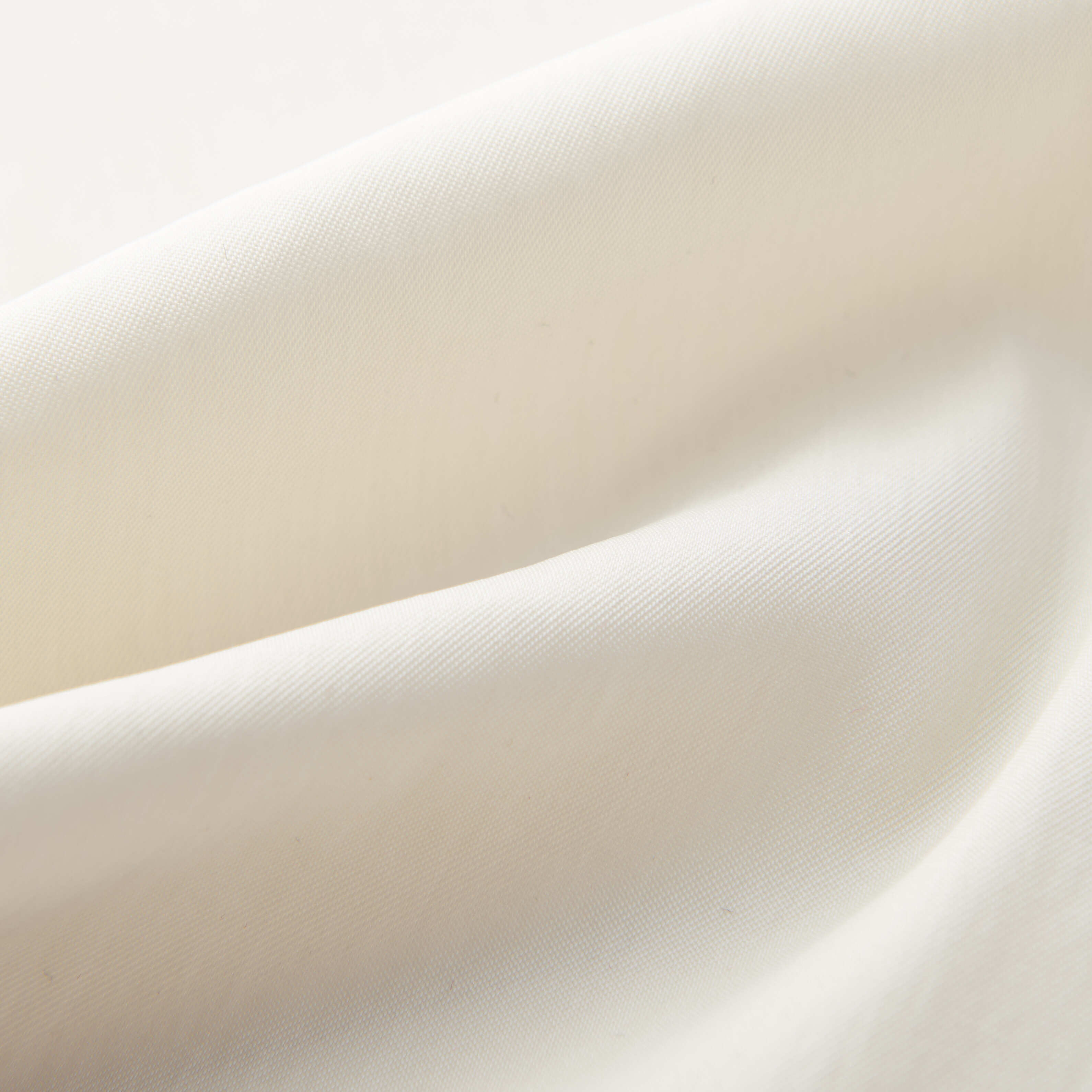
Outdoor enthusiasts and performance athletes constantly seek materials that deliver exceptional comfort while withstanding harsh environmental conditions. Ultra-fine breathable wool has emerged as a revolutionary textile solution that combines the natural benefits of wool with advanced engineering to create fabrics that excel in demanding outdoor applications. This innovative material addresses the critical need for temperature regulation, moisture management, and durability that traditional synthetic fabrics often struggle to achieve. The development of ultra-fine breathable wool represents a significant advancement in textile technology, offering outdoor professionals and recreational users alike a superior alternative for their performance gear requirements.
Understanding the Science Behind Ultra-Fine Breathable Wool Technology
Fiber Structure and Microscopic Properties
The exceptional performance of ultra-fine breathable wool stems from its unique fiber structure at the microscopic level. Unlike conventional wool fibers that typically measure 25-30 microns in diameter, ultra-fine breathable wool features fibers measuring less than 19 microns, with premium grades reaching as fine as 12-15 microns. This reduction in fiber diameter creates a dramatically softer feel against the skin while maintaining the inherent properties that make wool superior for outdoor applications. The finer structure allows for increased surface area per unit weight, enhancing the fabric's ability to interact with moisture and air.
Each individual fiber contains thousands of microscopic air pockets that contribute to the material's insulating properties without adding bulk. The natural crimp structure of ultra-fine breathable wool creates additional air spaces between fibers, forming an effective thermal barrier that adapts to changing environmental conditions. This three-dimensional fiber arrangement enables the fabric to trap warm air during cold conditions while allowing excess heat to escape when temperatures rise, creating a dynamic comfort zone for the wearer.
Advanced Processing Techniques
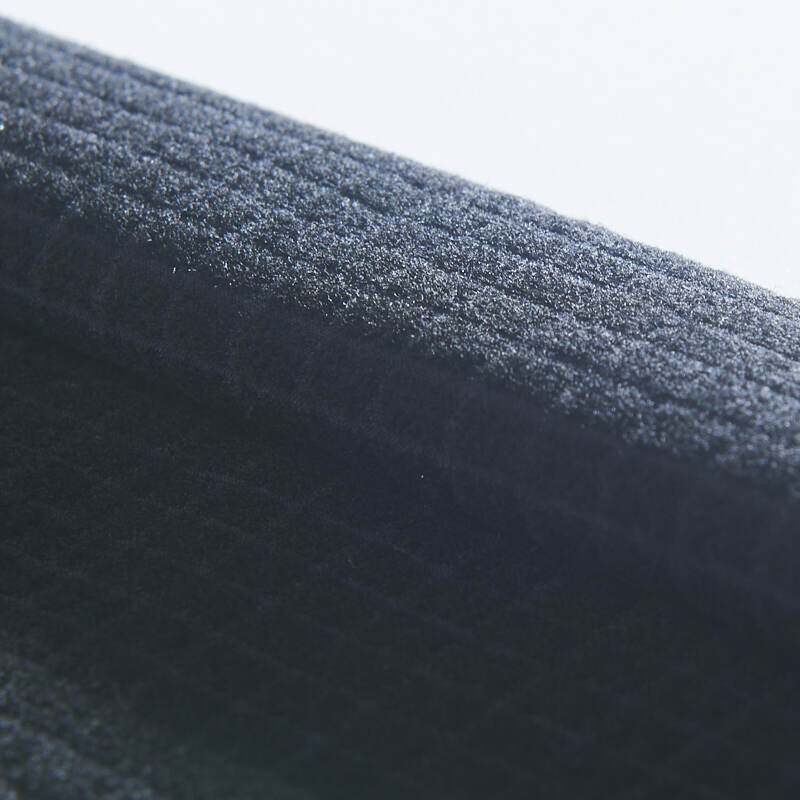
Modern textile manufacturing has developed sophisticated processing methods to enhance the natural properties of ultra-fine breathable wool. Specialized washing and treatment processes remove the natural lanolin and scales that can cause traditional wool to feel scratchy or retain odors. These treatments maintain the fiber's structural integrity while improving its performance characteristics for outdoor use. Chemical-free processing methods preserve the wool's natural antimicrobial properties while enhancing breathability through controlled fiber alignment.
The manufacturing process also incorporates advanced spinning techniques that create consistent yarn structures optimized for moisture transport. Multi-stage processing ensures that the ultra-fine breathable wool maintains uniform performance characteristics across the entire fabric surface. Quality control measures during production guarantee that each batch meets strict specifications for fiber diameter, tensile strength, and breathability ratings that outdoor performance applications demand.
Performance Benefits for Outdoor Activities
Superior Moisture Management Systems
One of the most significant advantages of ultra-fine breathable wool lies in its exceptional moisture management capabilities. The fiber's natural hygroscopic properties allow it to absorb up to 30% of its weight in moisture while still feeling dry to the touch. This characteristic proves invaluable during high-intensity outdoor activities where perspiration management becomes critical for comfort and performance. The wool's ability to transport moisture away from the skin surface through capillary action prevents the clammy feeling associated with synthetic materials.
The moisture transport mechanism operates through multiple pathways within the ultra-fine breathable wool structure. Vapor-phase moisture moves through the air spaces between fibers, while liquid-phase moisture travels along the fiber surfaces through wicking action. This dual-pathway system ensures efficient moisture removal even under varying humidity conditions and activity levels. The natural elasticity of the fibers maintains these transport channels under stress, ensuring consistent performance throughout extended outdoor use.
Thermal Regulation and Comfort Zones
Ultra-fine breathable wool excels at creating stable thermal comfort zones that adapt to changing environmental conditions and activity levels. The fiber's natural insulation properties work in conjunction with its breathability to maintain optimal body temperature without the temperature spikes and drops common with synthetic materials. During periods of high activity, the increased breathability allows excess heat to escape while maintaining core warmth during rest periods.
The thermal regulation system operates through dynamic air flow management within the fabric structure. As body temperature rises, the natural expansion of the fibers creates additional ventilation pathways that increase air circulation. Conversely, as temperatures drop, the fibers contract slightly, reducing air flow while maintaining insulation effectiveness. This self-regulating mechanism provides automatic comfort adjustment that requires no conscious intervention from the wearer, making ultra-fine breathable wool ideal for extended outdoor adventures where conditions vary significantly.
Durability and Long-Term Performance
Resistance to Environmental Stress
Outdoor gear must withstand numerous environmental challenges, and ultra-fine breathable wool demonstrates remarkable resilience across various stress factors. The natural protein structure of wool fibers provides inherent resistance to UV degradation, maintaining fabric integrity even after prolonged sun exposure. This UV resistance prevents the weakening and brittleness that affects many synthetic fabrics over time, ensuring that ultra-fine breathable wool garments maintain their performance characteristics throughout their service life.
Chemical resistance represents another crucial advantage for outdoor applications. Ultra-fine breathable wool shows excellent resistance to common environmental contaminants including salt spray, soil minerals, and organic acids found in natural environments. This chemical stability prevents fiber degradation and maintains the fabric's structural integrity even after exposure to harsh outdoor conditions. The natural antimicrobial properties of wool also prevent bacterial and fungal growth that can compromise fabric performance and create odor issues during extended use.
Maintenance and Care Requirements
Despite its high performance characteristics, ultra-fine breathable wool requires specific care protocols to maintain optimal functionality. Proper washing techniques using wool-specific detergents preserve the fiber structure while removing accumulated dirt and oils. Temperature control during washing prevents felting and maintains the fabric's dimensional stability. Modern ultra-fine breathable wool fabrics often incorporate treatments that reduce care complexity while maintaining performance standards.
Storage considerations play an important role in maintaining the long-term performance of ultra-fine breathable wool products. Proper air circulation prevents moisture accumulation that could lead to mildew or odor development. Protection from moth damage through appropriate storage containers or natural deterrents preserves the fabric integrity. Regular inspection and minor repairs extend the service life of ultra-fine breathable wool garments, making them a cost-effective choice for serious outdoor enthusiasts.
Applications Across Outdoor Industries
Professional and Recreational Hiking
The hiking community has embraced ultra-fine breathable wool for its ability to provide consistent comfort across varying terrain and weather conditions. Base layers made from this material offer superior temperature regulation during strenuous climbs while providing adequate warmth during rest periods at higher elevations. The natural odor resistance proves particularly valuable during multi-day backpacking trips where washing opportunities are limited. Hiking professionals appreciate the fabric's ability to maintain performance characteristics even when wet, ensuring safety and comfort in unpredictable weather conditions.
Trail durability becomes a critical factor for serious hikers, and ultra-fine breathable wool delivers exceptional abrasion resistance despite its soft feel. The natural elasticity of the fibers allows garments to stretch and move with the body without losing shape or developing weak spots. This flexibility proves essential for activities requiring extensive range of motion while carrying heavy packs or navigating challenging terrain. The fabric's quick recovery properties ensure that garments return to their original shape after stress, maintaining proper fit and performance throughout extended expeditions.
Alpine and Mountain Sports
Alpine environments present extreme challenges for textile performance, where ultra-fine breathable wool has proven its value through extensive field testing. The material's ability to maintain insulation properties even when damp provides crucial safety benefits in high-altitude environments where weather conditions change rapidly. Mountaineers rely on the fabric's consistent thermal properties to maintain core body temperature during technical climbs where stopping to adjust layers is impractical or dangerous.
Wind resistance represents another important characteristic for alpine applications. The tight weave structure of ultra-fine breathable wool fabrics provides effective wind protection while maintaining breathability for vapor transport. This balance prevents the wind chill effect that can rapidly lead to hypothermia in exposed mountain environments while allowing moisture escape to prevent overheating during high-exertion activities. The fabric's natural stretch properties accommodate the dynamic movements required for technical climbing without restricting performance or causing chafing during extended wear.
Comparative Analysis with Alternative Materials
Synthetic Fabric Performance Comparison
When compared to synthetic alternatives, ultra-fine breathable wool demonstrates superior performance in several key areas that matter most to outdoor enthusiasts. Synthetic fabrics often excel in rapid moisture wicking but struggle with odor control during extended use. Ultra-fine breathable wool provides effective moisture management while naturally inhibiting bacterial growth that causes odor development. This antimicrobial property allows garments to remain fresh for extended periods without washing, a significant advantage for backcountry activities.
Temperature regulation comparison reveals distinct advantages for ultra-fine breathable wool in variable conditions. While synthetic fabrics may provide excellent performance within narrow temperature ranges, they often fail to adapt to changing conditions as effectively as wool. The natural thermostat effect of ultra-fine breathable wool provides consistent comfort across broader temperature ranges without requiring layer adjustments. This adaptability reduces the need for multiple garment systems, simplifying gear selection for multi-day outdoor adventures.
Traditional Wool Fabric Limitations
Traditional wool fabrics, while offering many natural benefits, present several limitations that ultra-fine breathable wool addresses through advanced processing and fiber selection. Conventional wool often feels scratchy against sensitive skin, limiting its use in base layer applications. The finer fiber diameter of ultra-fine breathable wool eliminates this comfort issue while maintaining all the performance benefits of traditional wool. The improved softness allows for direct skin contact without irritation, expanding the range of potential applications.
Bulk and weight considerations favor ultra-fine breathable wool over traditional alternatives. The finer fibers create fabrics with superior warmth-to-weight ratios, allowing for lighter gear loads without sacrificing thermal protection. This weight reduction proves crucial for activities where every ounce matters, such as ultralight backpacking or alpine climbing. The improved packability of ultra-fine breathable wool garments also provides space savings in limited pack volumes while delivering equivalent or superior performance.
Environmental Impact and Sustainability
Natural Resource Management
The production of ultra-fine breathable wool supports sustainable agricultural practices that benefit both the environment and local communities. Sheep farming for premium wool production requires extensive pasture management that promotes soil health and carbon sequestration. Responsible grazing practices improve grassland biodiversity while providing habitat for wildlife species. The renewable nature of wool production creates ongoing economic incentives for maintaining healthy ecosystems rather than converting land to industrial uses.
Water usage in wool production, while requiring careful management, generally proves more sustainable than synthetic alternatives when considering the complete lifecycle. Modern wool processing facilities implement closed-loop water systems that minimize waste and prevent environmental contamination. The biodegradable nature of ultra-fine breathable wool ensures that end-of-life disposal does not contribute to persistent pollution problems associated with synthetic textiles. This environmental responsibility appeals to outdoor enthusiasts who value conservation and sustainable practices.
Lifecycle Assessment and Circular Economy
Comprehensive lifecycle assessments demonstrate the environmental advantages of ultra-fine breathable wool over synthetic alternatives when considering production, use, and disposal phases. The natural production process requires significantly less energy input than synthetic fiber manufacturing, reducing overall carbon footprint. During the use phase, the extended lifespan and reduced washing requirements of ultra-fine breathable wool garments further minimize environmental impact through reduced resource consumption.
End-of-life considerations strongly favor ultra-fine breathable wool due to its complete biodegradability. Unlike synthetic fabrics that persist in landfills for decades, wool products naturally decompose and return nutrients to the soil. This circular approach to material use aligns with growing environmental consciousness among outdoor enthusiasts. Repair and refurbishment options for high-quality ultra-fine breathable wool garments extend product lifecycles even further, maximizing the return on environmental investment while minimizing waste generation.
FAQ
How does ultra-fine breathable wool compare to merino wool in terms of performance?
Ultra-fine breathable wool represents an advancement over traditional merino wool through refined processing techniques and stricter fiber diameter controls. While both materials share similar natural properties, ultra-fine breathable wool typically features more consistent fiber dimensions and enhanced breathability characteristics. The improved processing results in better moisture management and softer feel while maintaining the odor resistance and temperature regulation benefits associated with premium merino wool. However, both materials excel in outdoor applications, with ultra-fine breathable wool offering marginal improvements in comfort and performance consistency.
What care instructions should I follow to maintain ultra-fine breathable wool garments?
Proper care of ultra-fine breathable wool requires gentle washing with wool-specific detergents in cool water to prevent fiber damage and shrinkage. Machine washing on delicate cycles with minimal agitation preserves the fabric structure while effectively removing dirt and odors. Air drying away from direct heat sources maintains dimensional stability and prevents felting. Regular airing between uses often eliminates the need for frequent washing due to the natural antimicrobial properties of ultra-fine breathable wool. Following manufacturer care instructions ensures optimal performance and longevity of these premium outdoor garments.
Can ultra-fine breathable wool be used in wet weather conditions?
Ultra-fine breathable wool performs exceptionally well in wet conditions due to its unique moisture management properties. The fiber can absorb significant amounts of moisture while maintaining insulation effectiveness, preventing the rapid heat loss associated with wet synthetic fabrics. However, ultra-fine breathable wool works best as part of a layered system with appropriate rain protection for extended exposure to heavy precipitation. The fabric's ability to maintain warmth when damp makes it an excellent choice for base and mid-layer applications in wet weather, though external waterproof protection remains necessary for complete weather protection.
What makes ultra-fine breathable wool suitable for sensitive skin?
The ultra-fine fiber diameter of this advanced wool eliminates the prickle factor associated with traditional wool fabrics, making it suitable for direct skin contact even for sensitive individuals. The smooth fiber surface reduces friction and irritation while maintaining all the natural benefits of wool. Processing techniques remove potential allergens and irritants while preserving the fabric's performance characteristics. The natural pH balance of ultra-fine breathable wool matches human skin conditions, reducing the likelihood of allergic reactions. Additionally, the antimicrobial properties prevent bacterial growth that could cause skin irritation during extended wear periods.
Table of Contents
- Understanding the Science Behind Ultra-Fine Breathable Wool Technology
- Performance Benefits for Outdoor Activities
- Durability and Long-Term Performance
- Applications Across Outdoor Industries
- Comparative Analysis with Alternative Materials
- Environmental Impact and Sustainability
-
FAQ
- How does ultra-fine breathable wool compare to merino wool in terms of performance?
- What care instructions should I follow to maintain ultra-fine breathable wool garments?
- Can ultra-fine breathable wool be used in wet weather conditions?
- What makes ultra-fine breathable wool suitable for sensitive skin?