
 EN
EN

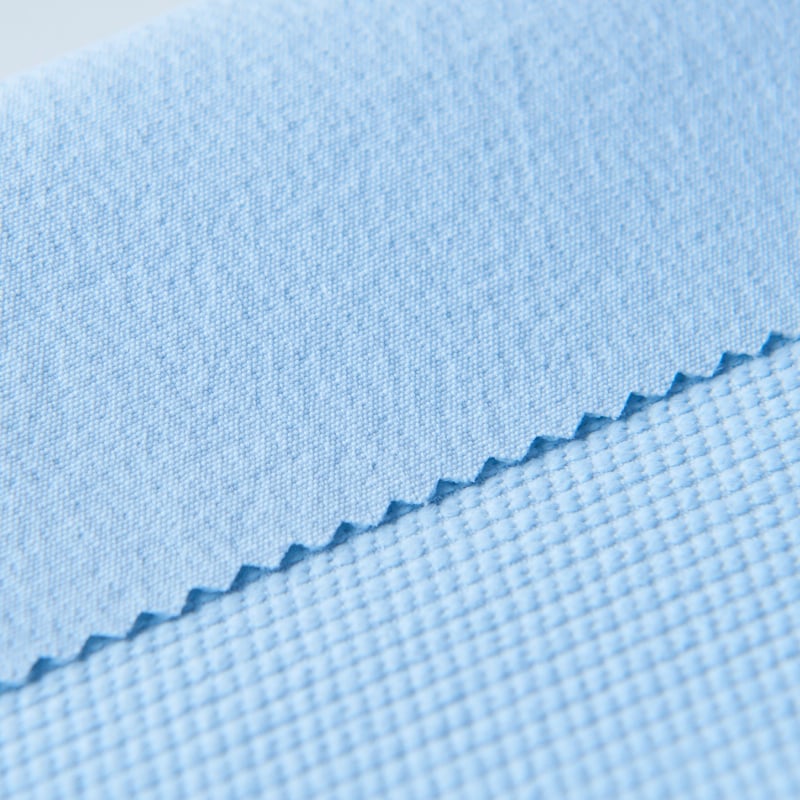
When engineers and designers search for insulation that balances natural comfort with engineered performance, wool synthetic fabric consistently emerges as a leading solution. This material category merges the inherent thermal properties of wool with the precision of synthetic technical layers, creating a hybrid construction that outperforms single-fiber options in a wide range of environments. Understanding what wool synthetic fabric delivers — and how it achieves its results — helps procurement teams and product developers make smarter, more confident material choices.
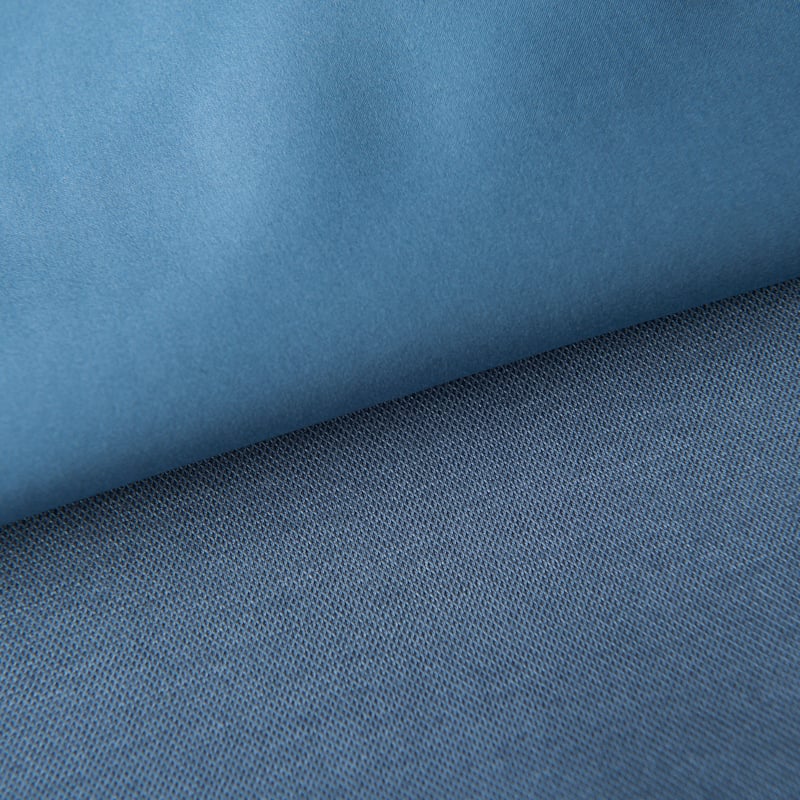
The growing demand for wool synthetic fabric in technical apparel, outdoor equipment, and industrial insulation reflects a broader shift toward multi-functional materials. Brands and manufacturers no longer accept trade-offs between breathability and warmth, or between natural fiber feel and synthetic durability. Wool synthetic fabric addresses all these requirements simultaneously, making it a versatile and commercially relevant material for B2B buyers across multiple sectors.
The Science Behind Wool Synthetic Fabric Construction
How Wool Contributes Temperature Regulation
Wool is a natural protein fiber with a crimped, hollow structure that traps air and creates insulating pockets. This structure gives wool synthetic fabric its core thermal buffering capability — the ability to retain warmth in cold conditions while releasing excess heat during activity. Unlike purely synthetic insulation, wool actively responds to moisture in the surrounding environment, absorbing and releasing vapor without feeling wet. This hygroscopic behavior is a key reason why wool synthetic fabric performs reliably across fluctuating temperatures rather than only at static extremes.
Wool fibers also contribute natural odor resistance and flame-retardant properties to wool synthetic fabric. These characteristics are particularly valuable in workwear, protective clothing, and outdoor layering systems where safety and hygiene requirements are strict. When wool is integrated as a primary insulating component, wool synthetic fabric inherits these benefits without the need for additional chemical treatments, reducing the overall processing load and environmental impact of the finished textile.
The Role of Synthetic Technical Layers
The synthetic component in wool synthetic fabric is not simply a structural binder — it is an engineered performance layer. Synthetic fibers such as polyester or nylon are introduced to enhance durability, shape retention, moisture-wicking speed, and water repellency. In a properly constructed wool synthetic fabric, the synthetic layer acts as an outer shield or a functional membrane that manages surface moisture while the wool core handles thermal regulation. This layered architecture is what distinguishes high-performance wool synthetic fabric from conventional blended textiles.
Technical synthetic layers within wool synthetic fabric can also be designed with stretch and recovery properties that pure wool cannot achieve on its own. This makes wool synthetic fabric highly suitable for form-fitting applications such as base layers, athletic insulation, and performance mid-layers where freedom of movement is critical. The combination of natural thermal intelligence and synthetic mechanical strength creates a material profile that serves demanding use cases with consistency and reliability.
Key Applications Where Wool Synthetic Fabric Excels
Outdoor and High-Activity Apparel
Wool synthetic fabric is widely adopted in outdoor apparel systems, particularly in jackets, vests, and mid-layer garments designed for variable mountain or alpine conditions. In these environments, body temperature swings rapidly between intense physical exertion and cold stationary periods. Wool synthetic fabric manages this variation by responding dynamically to moisture and heat, keeping the wearer regulated without requiring constant garment adjustment. Water repellency treatments applied to wool synthetic fabric further ensure that light precipitation does not compromise insulation performance.
Technical hiking, climbing, and trail running brands have adopted wool synthetic fabric because it reduces the need to carry multiple specialized layers. A single wool synthetic fabric garment can function across a wider temperature range than a single-fiber alternative, reducing pack weight and simplifying layering decisions. For product developers in the outdoor sector, wool synthetic fabric offers a compelling performance-to-weight ratio that appeals to both performance-focused and sustainability-conscious consumers.
Workwear and Protective Industrial Applications
In industrial and occupational settings, wool synthetic fabric provides a critical combination of thermal protection and practical durability. Workers in cold storage, construction, and energy sectors require insulation that does not restrict movement and maintains performance even after repeated laundering. Wool synthetic fabric meets these requirements by combining the resilience of synthetic fibers with the natural thermal stability of wool. The result is a workwear-grade fabric that retains insulating value through extended service life.
Protective garment standards in many industries now recognize the value of wool synthetic fabric as a compliant insulation layer. The natural flame resistance of wool blended with engineered synthetic components can contribute to arc flash protection and thermal hazard mitigation. Procurement teams sourcing materials for hazardous work environments should evaluate wool synthetic fabric as a primary candidate in their insulation layer specifications.
Selecting the Right Wool Synthetic Fabric for Your Application
Understanding Fabric Weight and Wool-to-Synthetic Ratio
Not all wool synthetic fabric constructions are equivalent. The ratio of wool to synthetic fiber determines the dominant performance characteristics of the final material. Higher wool content in wool synthetic fabric emphasizes thermal regulation, natural comfort, and odor management, while a higher synthetic ratio shifts the balance toward durability, moisture management, and structural consistency. Buyers should align the wool-to-synthetic ratio with the primary performance requirement of their end product to avoid over- or under-specifying the material.
Fabric weight in wool synthetic fabric is another critical selection factor. Lightweight constructions are ideal for base layers and active insulation in high-output activities, while heavier wool synthetic fabric weights suit static or low-activity cold-weather applications. Most technical suppliers offer wool synthetic fabric across a range of weights, and selecting the appropriate weight tier is as important as the fiber composition itself. Working with a supplier who understands both the technical and end-use context of wool synthetic fabric ensures the best material match.
Water Repellency and Surface Treatment Compatibility
A key advantage of modern wool synthetic fabric is its compatibility with durable water repellency (DWR) surface treatments. These treatments cause moisture to bead and roll off the fabric surface rather than saturating the fibers, preserving insulation performance in wet conditions. When specifying wool synthetic fabric for outdoor or workwear applications where precipitation exposure is likely, confirming DWR compatibility is essential. Advanced wool synthetic fabric constructions integrate repellency at the fiber or laminate level, providing longer-lasting protection than surface-applied coatings alone.
FAQ
Is wool synthetic fabric suitable for sustainable product lines?
Yes, wool synthetic fabric can be a strong choice for sustainability-focused product development. Wool is a renewable, biodegradable natural fiber, and many manufacturers now offer wool synthetic fabric with recycled synthetic components. This combination reduces overall environmental impact while maintaining full technical performance, making wool synthetic fabric compatible with circular economy and low-impact material strategies.
How should wool synthetic fabric be cared for in industrial use?
Wool synthetic fabric designed for workwear and industrial applications is generally engineered for durability under frequent washing. Most technical wool synthetic fabric constructions tolerate machine washing at moderate temperatures without significant shrinkage or performance loss, provided care instructions are followed. Using wool-safe detergents and avoiding high-heat drying preserves both the wool fiber integrity and the synthetic layer performance of the fabric over time.
Can wool synthetic fabric replace traditional synthetic insulation entirely?
Wool synthetic fabric is not a universal replacement for all synthetic insulation, but it outperforms traditional synthetic insulation in specific scenarios — particularly where temperature variability, moisture management, and natural fiber comfort are priorities. For applications requiring ultra-lightweight compressibility or extreme wet-condition performance, traditional synthetic insulation may still hold advantages. However, for a broad range of mid-layer, workwear, and outdoor insulation uses, wool synthetic fabric offers a highly competitive and often superior performance profile.