 EN
EN

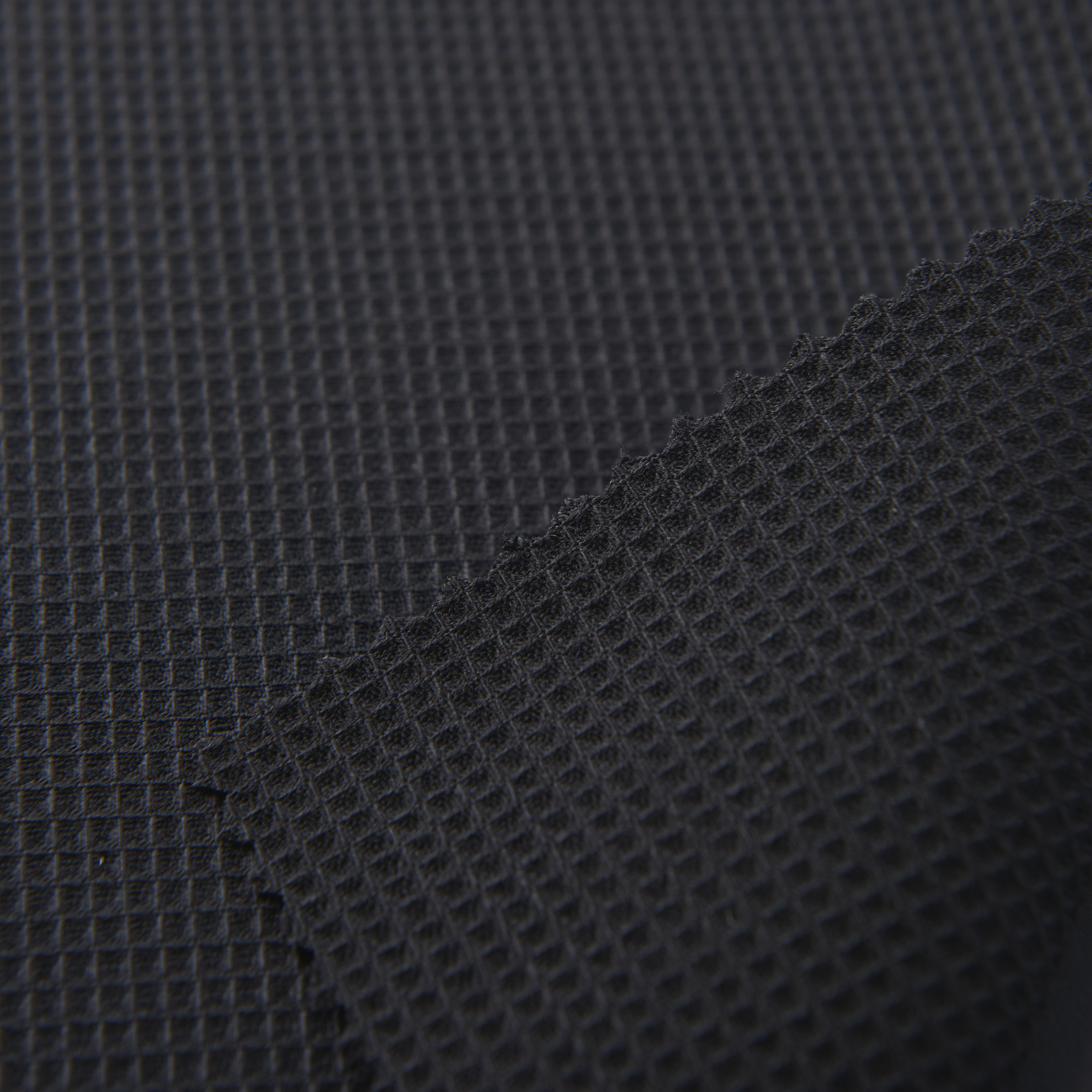
The growing demand for cruelty-free and sustainable materials has placed plant-based fiber fabric at the center of the vegan textile conversation. As brands and consumers look for alternatives that avoid animal-derived inputs entirely, plant-based fiber fabric offers a compelling pathway to meet both ethical and environmental expectations. Understanding exactly how plant-based fiber fabric aligns with vegan textile standards requires a close look at fiber origins, processing methods, and third-party certification frameworks.
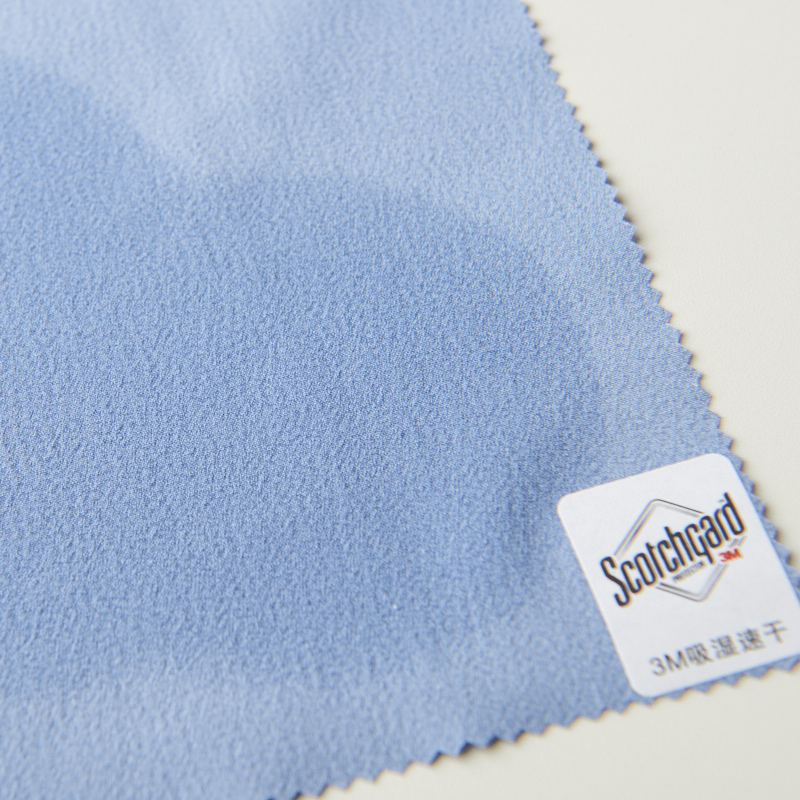
Plant-based fiber fabric is produced from botanical sources such as cotton, flax, hemp, bamboo, and bio-derived synthetics like Sorona, which uses plant sugars as its polymer base. Because plant-based fiber fabric does not rely on animal by-products such as wool, silk, cashmere, or leather, it naturally satisfies the foundational requirement of vegan textiles. However, aligning plant-based fiber fabric with recognized vegan textile standards goes beyond simply avoiding animal inputs — it also involves verifiable supply chain transparency, responsible chemistry, and certified production practices.
Fiber Origins and Vegan Compliance
Why Botanical Sources Define Vegan Eligibility
The first criterion that vegan textile standards evaluate is whether a fabric originates from a non-animal source. Plant-based fiber fabric meets this criterion at the most fundamental level. Whether the plant-based fiber fabric is derived from organic cotton fields, flax stalks, or fermented plant starch, the raw material itself contains no animal component. This botanical origin is what initially qualifies plant-based fiber fabric for consideration under vegan textile frameworks such as those maintained by organizations that audit cruelty-free material claims.
It is important to note that plant-based fiber fabric must also avoid cross-contamination with animal-based processing aids during manufacturing. Some fabric finishing agents historically used animal-derived stiffeners or sizing compounds. When plant-based fiber fabric is processed using only synthetic or plant-derived auxiliaries, it maintains full vegan compliance throughout the production chain. Brands that source plant-based fiber fabric should request documentation confirming that no animal substances were introduced at any stage of dyeing, finishing, or coating.
Bio-Derived Synthetics as Plant-Based Fiber Fabric
Modern plant-based fiber fabric includes not only traditional natural fibers but also bio-synthesized polymer fibers. Sorona, for example, is a plant-based fiber fabric that derives approximately 37% of its content from annually renewable plant sources. This category of plant-based fiber fabric aligns with vegan standards because the biological feedstock is entirely botanical, and no animal-derived monomer is used in polymerization. For buyers seeking plant-based fiber fabric with enhanced performance properties — such as stretch, softness, or moisture management — bio-derived options extend what vegan textile compliance can look like in technical apparel.
Processing Standards and Chemical Transparency
How Production Methods Affect Vegan Status
Vegan textile standards do not only assess fiber origin — they also scrutinize how plant-based fiber fabric is processed. A plant-based fiber fabric that undergoes dyeing with animal-derived mordants, such as those containing shellac or carmine-based pigments, would lose its vegan status despite its botanical origin. For plant-based fiber fabric to remain fully compliant, every chemical input across wet processing must be traceable and verified as non-animal-derived. Responsible manufacturers of plant-based fiber fabric publish their chemical inventories and align with standards such as GOTS or bluesign, which restrict harmful and animal-origin substances.
Additionally, plant-based fiber fabric used in vegan-labeled products should be free from finishing treatments that use beeswax, lanolin, or tallow-based softeners. Many modern finishing agents derived from synthetic or plant sources deliver equivalent softness and durability, making it entirely feasible to produce plant-based fiber fabric that meets both performance and vegan standards simultaneously. Transparency in the chemistry of plant-based fiber fabric is therefore a practical requirement, not merely an ethical preference.
Certification Frameworks That Validate Plant-Based Fiber Fabric
Several certification bodies provide structured frameworks for validating plant-based fiber fabric in vegan supply chains. The Global Organic Textile Standard applies to plant-based fiber fabric made from organic crops, verifying that agricultural inputs, processing chemicals, and labor conditions meet defined benchmarks. For plant-based fiber fabric that includes bio-synthesized components, certifications focused on recycled content or renewable materials add further layers of third-party assurance. When plant-based fiber fabric carries verified certification marks, buyers and brands can confidently position it within vegan product lines without relying solely on supplier declarations.
Market Alignment and Industry Application
Where Plant-Based Fiber Fabric Fits in Vegan Fashion
The fashion and activewear industries have embraced plant-based fiber fabric as a structural component of vegan collections. Plant-based fiber fabric performs across a wide range of applications — from lightweight woven shirts to stretch performance tights — making it adaptable to diverse product development goals. When plant-based fiber fabric is selected for vegan garment lines, it communicates a coherent brand narrative that connects material science with ethical sourcing. Consumers who actively seek vegan-labeled garments respond positively to plant-based fiber fabric because it provides tangible, verifiable proof of the brand's animal-free commitment.
Outdoor and sportswear brands in particular have increased their use of plant-based fiber fabric as a replacement for petroleum-only synthetics and animal-derived performance materials. Plant-based fiber fabric with moisture-wicking and quick-dry properties allows these brands to satisfy both functional and vegan requirements without compromise. The versatility of plant-based fiber fabric across fabric weights, textures, and constructions gives product developers significant freedom when building out vegan collections.
Communicating Plant-Based Fiber Fabric Credentials to Buyers
For B2B buyers sourcing plant-based fiber fabric, the ability to communicate material credentials through the supply chain is essential. Plant-based fiber fabric suppliers that provide test reports, fiber composition declarations, and certification documentation give their clients the tools needed to make substantiated vegan claims. Buyers should evaluate plant-based fiber fabric not only on tactile and functional performance but also on the completeness of its compliance documentation. A well-documented plant-based fiber fabric reduces the risk of greenwashing claims and supports credible vegan marketing.
FAQ
Is all plant-based fiber fabric automatically vegan-certified?
Not automatically. While plant-based fiber fabric originates from non-animal sources, vegan certification also requires that all processing steps, dyes, and finishing agents are free from animal-derived substances. Plant-based fiber fabric must be supported by documentation covering the full production chain before a vegan certification can be applied.
Can plant-based fiber fabric include recycled content and still be vegan?
Yes. Plant-based fiber fabric that incorporates recycled plant-origin fibers or bio-based recycled polymers can still qualify as vegan, provided no animal-derived inputs are introduced during recycling or reprocessing. The vegan status of plant-based fiber fabric depends on the nature of all material inputs, not solely on whether the fiber is virgin or recycled.
What documentation should buyers request when sourcing plant-based fiber fabric?
Buyers should request fiber composition certificates, chemical safety data sheets, and any applicable third-party certifications such as GOTS or OEKO-TEX for plant-based fiber fabric. A signed declaration from the supplier confirming the absence of animal-derived substances at every production stage further strengthens the vegan compliance case for plant-based fiber fabric in commercial applications.