
 EN
EN

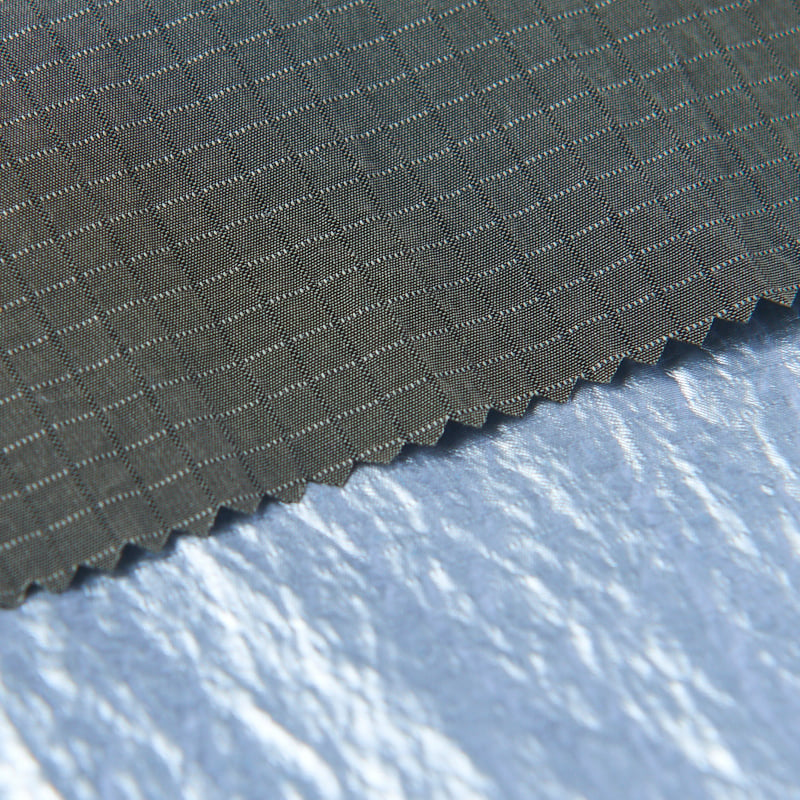
When shoppers and garment professionals evaluate performance textiles, anti-odor wool fiber consistently stands out as one of the most practically valuable materials available today. Unlike conventional fibers that absorb and trap odor-causing bacteria, anti-odor wool fiber relies on wool's natural keratin structure combined with specialized finishing treatments to neutralize odors before they become embedded in the fabric. Understanding how this mechanism works is the first step toward making smarter decisions about garment care and long-term fabric investment.
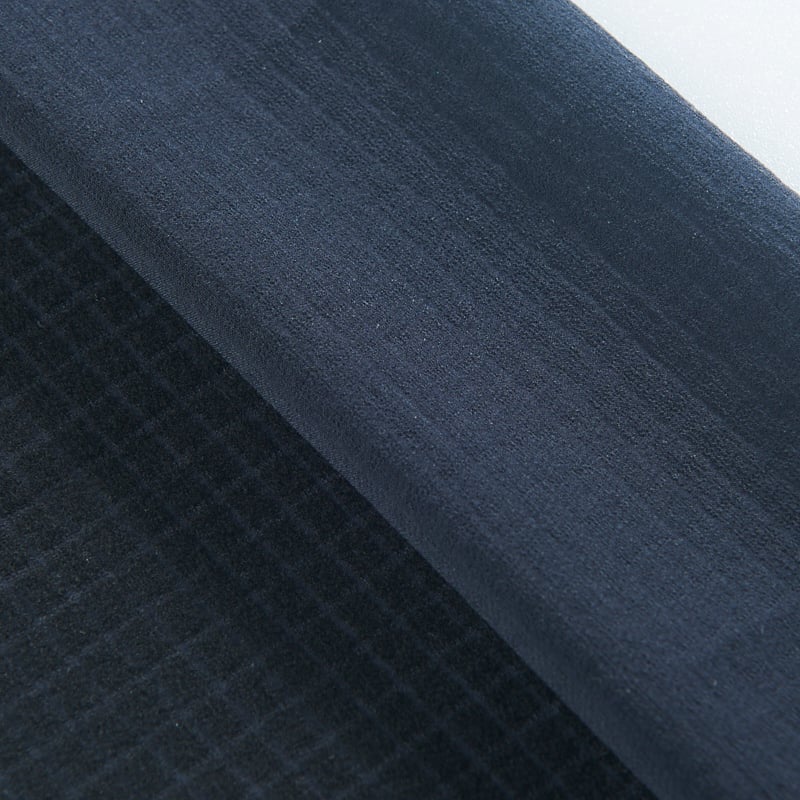
The influence of anti-odor wool fiber on garment care is both direct and measurable. Garments made from anti-odor wool fiber require less frequent washing, retain their structural integrity longer, and maintain their professional appearance across many more wear cycles compared with standard alternatives. For brands, buyers, and end consumers alike, anti-odor wool fiber represents a genuine intersection of performance, sustainability, and practical convenience that reshapes how woolen garments are maintained and used over time.
The Science Behind Anti-Odor Wool Fiber
How Anti-Odor Wool Fiber Neutralizes Bacteria
Anti-odor wool fiber achieves its odor-resistant properties through a combination of natural biology and textile engineering. Wool's natural lanolin content creates a slightly acidic surface environment that inhibits bacterial growth. When anti-odor wool fiber undergoes additional treatment — such as silver-ion bonding or zinc-based finishing — it gains an enhanced capacity to neutralize the bacteria responsible for producing unpleasant odors during wear. This dual-layer protection means that anti-odor wool fiber actively works against odor rather than simply masking it.
The moisture-wicking capability of anti-odor wool fiber further supports its odor-resistant function. By drawing perspiration away from the skin and releasing it as vapor, anti-odor wool fiber reduces the damp conditions that allow bacteria to multiply. This makes anti-odor wool fiber especially valuable in activewear, travel garments, and professional attire worn during long or physically demanding days. The result is a fiber that manages odor from multiple angles simultaneously.
Structural Durability of Anti-Odor Wool Fiber
Beyond odor management, anti-odor wool fiber demonstrates notable structural durability that directly benefits garment longevity. The natural crimp in anti-odor wool fiber gives it elastic memory, meaning it returns to its original shape after stretching or compression. This property reduces pilling, sagging, and deformation that commonly shorten the lifespan of garments made from less resilient fibers. Anti-odor wool fiber essentially 'bounces back' in a way that keeps garments looking newer for longer.
The fiber's resistance to surface abrasion also contributes to longevity. Anti-odor wool fiber, particularly when blended with nylon in a double-weave construction, produces a textile surface that resists snags and wear marks more effectively than single-composition alternatives. This makes anti-odor wool fiber a practical choice for outerwear, suiting, and garments that experience regular friction and movement during use.
How Anti-Odor Wool Fiber Changes Garment Care Routines
Reduced Washing Frequency
One of the most significant ways anti-odor wool fiber influences garment care is by dramatically reducing how often garments need to be washed. Because anti-odor wool fiber suppresses the bacterial activity that generates odors, wearers can typically use a garment multiple times between washes without experiencing unpleasant smells. This extended wear period reduces the mechanical stress that washing imposes on fabric fibers, directly translating into a longer garment lifespan. Anti-odor wool fiber essentially allows the fabric to rest between cleaning cycles rather than being subjected to repeated agitation.
Reduced washing also means reduced exposure to detergents, heat, and water pressure — all factors that degrade fabric structure over time. When garments made from anti-odor wool fiber do require cleaning, cooler water temperatures and gentle cycles are sufficient to refresh the material. This gentle care profile preserves the anti-odor treatments applied to anti-odor wool fiber and ensures that the odor-resistant properties remain effective across the full intended lifespan of the garment.
Spot Cleaning and Airing as Primary Care Methods
Anti-odor wool fiber responds exceptionally well to airing as a primary maintenance method. Hanging a garment made from anti-odor wool fiber in a well-ventilated space after wear is often sufficient to refresh the fabric completely, thanks to wool's natural ability to release absorbed moisture and the fiber's inherent odor-neutralizing properties. This means that anti-odor wool fiber supports a low-intervention care routine that saves both time and energy while extending the service life of each garment.
Spot cleaning is equally effective for minor surface marks on anti-odor wool fiber garments. The tight weave structures commonly used with anti-odor wool fiber prevent liquids from penetrating deeply into the fabric, making surface stains easier to address without full submersion washing. Together, airing and spot cleaning form a practical care duo that keeps anti-odor wool fiber garments fresh and presentable with minimal effort and reduced long-term wear.
Longevity Benefits of Anti-Odor Wool Fiber in Professional and Everyday Use
Extended Garment Lifecycle in Commercial Settings
For commercial buyers, hospitality uniforms, corporate workwear, and travel apparel, anti-odor wool fiber delivers measurable lifecycle advantages. Garments that wash less and retain structural integrity longer require replacement less frequently, reducing procurement costs and textile waste. Anti-odor wool fiber is therefore not just a performance feature but a genuine economic benefit for organizations managing large uniform inventories or frequent-wear garment programs. Every cycle that anti-odor wool fiber adds to a garment's usable life represents a tangible cost and environmental saving.
The anti-odor wool fiber used in high-quality double-weave constructions combines these longevity advantages with an elevated fabric hand and drape that suits professional and premium fashion markets. The reinforced weave structure amplifies the durability benefits already inherent in anti-odor wool fiber, producing garments that maintain their shape and surface quality through years of regular use. For buyers sourcing fabric at a commercial scale, this combination makes anti-odor wool fiber one of the most cost-effective performance materials available.
Sustainability and Consumer Value
Anti-odor wool fiber aligns naturally with sustainability goals because its extended use cycle reduces the overall resource consumption associated with each garment. Fewer washes mean lower water usage, reduced detergent consumption, and less energy expenditure per garment over its lifetime. Anti-odor wool fiber thus supports brands and consumers who want performance and responsibility in the same product. The longevity built into anti-odor wool fiber is not simply a material advantage — it is a statement about conscious consumption and thoughtful design.
FAQ
Does washing anti-odor wool fiber garments too often damage the odor-resistant properties?
Yes, excessive washing with harsh detergents or high-temperature water can degrade the finishing treatments applied to anti-odor wool fiber. To preserve odor-resistant performance, wash anti-odor wool fiber garments infrequently using cool water and gentle, wool-safe detergents. Airing the garment after each wear extends freshness significantly and reduces the need for frequent washing cycles.
Is anti-odor wool fiber suitable for activewear and high-perspiration environments?
Anti-odor wool fiber is highly suitable for activewear and high-perspiration use. Its moisture-wicking capability and bacterial inhibition make anti-odor wool fiber effective in environments where conventional fabrics would quickly develop noticeable odors. Many sports, travel, and performance garment manufacturers specifically select anti-odor wool fiber for this reason, valuing its ability to stay fresh through extended physical activity.
How long does the anti-odor treatment in anti-odor wool fiber last?
With proper care, the anti-odor treatment in anti-odor wool fiber can remain effective for the full functional lifespan of the garment. Gentle washing habits, cool drying, and avoiding bleach or fabric softeners all help preserve the treatment integrity. Anti-odor wool fiber produced with high-quality bonding processes tends to maintain its odor-resistant properties longer than lower-grade alternatives, making sourcing quality anti-odor wool fiber an important factor in long-term garment performance.