
 EN
EN


The fashion industry's landscape has transformed dramatically over recent years, with consumers increasingly demanding transparency, quality, and sustainability from their clothing purchases. For retailers and fashion brands seeking to meet these evolving expectations, partnering with the right womenswear supplier has become more critical than ever. The challenge lies not just in finding suppliers who can deliver on-trend designs, but in identifying partners who maintain unwavering commitment to fabric quality, ethical manufacturing practices, and consistent delivery standards.
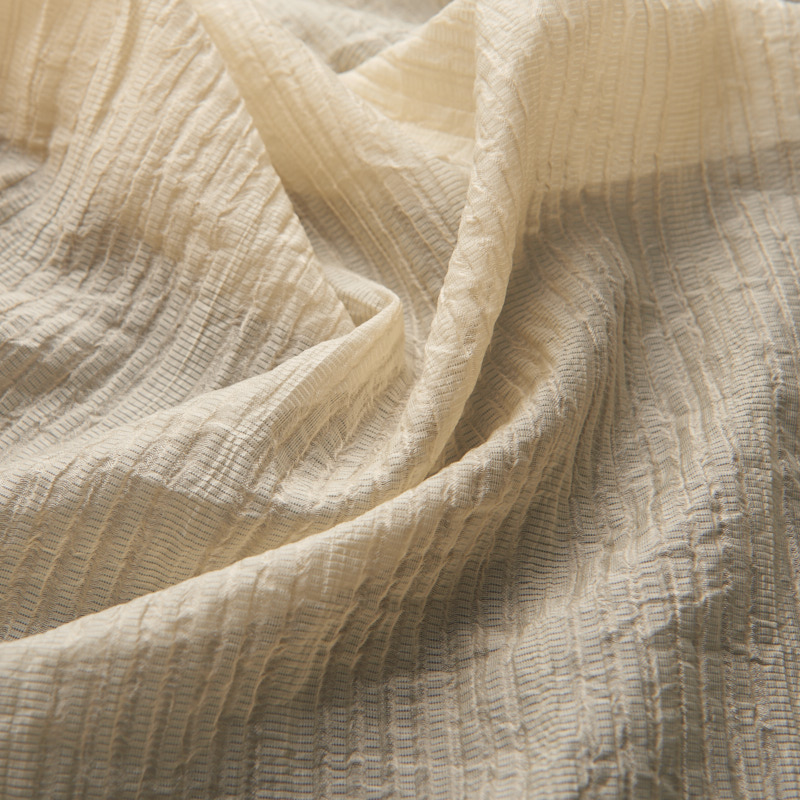
Modern consumers have developed sophisticated tastes and expectations when it comes to clothing quality. They can distinguish between premium fabrics and inferior materials, understanding the connection between fabric quality and garment longevity. This shift in consumer awareness means that fashion retailers must be more selective than ever when choosing their manufacturing partners. A reliable womenswear supplier who prioritizes fabric excellence becomes instrumental in building brand reputation and customer loyalty.
The global textile market offers countless options, yet finding suppliers who consistently deliver superior fabric quality remains challenging. Many manufacturers focus primarily on cost reduction, often compromising material standards to achieve lower prices. However, forward-thinking brands recognize that partnering with a quality-focused womenswear supplier ultimately provides better value through reduced returns, enhanced customer satisfaction, and stronger brand positioning in competitive markets.
Understanding Fabric Quality Standards in Women's Fashion
Natural Fiber Excellence and Performance
Premium natural fibers form the foundation of exceptional women's clothing, with each material offering distinct characteristics that influence both comfort and durability. Cotton, when sourced from quality suppliers, provides breathability and softness that synthetic alternatives struggle to match. A professional womenswear supplier understands the nuances between different cotton grades, selecting long-staple varieties that resist pilling and maintain their shape through multiple wash cycles.
Wool represents another cornerstone of quality women's fashion, particularly in cooler climates and professional settings. Superior wool fabrics offer natural temperature regulation, moisture-wicking properties, and inherent wrinkle resistance. Experienced suppliers recognize that wool quality varies significantly based on sheep breed, processing methods, and fiber treatment techniques. They maintain relationships with mills that specialize in premium wool processing, ensuring consistent quality across seasonal collections.
Silk, often considered the luxury standard in women's fashion, requires particular expertise in sourcing and handling. Quality silk fabrics exhibit lustrous appearance, smooth texture, and excellent drape characteristics. A knowledgeable womenswear supplier maintains strict standards for silk procurement, understanding that factors like mulberry quality, silkworm breeding conditions, and weaving techniques directly impact final fabric performance.
Synthetic and Blended Fabric Innovations
Modern textile technology has revolutionized synthetic fiber production, creating materials that rival natural fibers in performance while offering unique advantages. Advanced polyester blends now provide excellent moisture management, color retention, and wrinkle resistance. A forward-thinking womenswear supplier stays current with these innovations, incorporating high-performance synthetics that enhance garment functionality without sacrificing aesthetics.
Fabric blends represent the optimal balance between natural fiber comfort and synthetic performance benefits. Quality suppliers understand blend ratios that maximize each fiber's strengths while minimizing weaknesses. For instance, cotton-polyester blends can provide cotton's breathability with polyester's durability and easy care properties. The expertise lies in selecting appropriate blend percentages for specific garment applications and target demographics.
Innovative synthetic materials like modal, bamboo-derived rayon, and Tencel offer sustainable alternatives that appeal to environmentally conscious consumers. A progressive womenswear supplier actively explores these eco-friendly options, understanding their benefits and limitations. These materials often provide superior moisture absorption, antimicrobial properties, and biodegradability compared to traditional synthetics.
Sustainable Manufacturing Practices and Environmental Responsibility
Eco-Friendly Production Methods
Environmental consciousness has become a defining factor in modern fashion supply chains, with consumers increasingly seeking brands that demonstrate genuine commitment to sustainability. A responsible womenswear supplier implements comprehensive environmental management systems that minimize water usage, reduce chemical waste, and optimize energy consumption throughout production processes.
Water management represents a critical aspect of sustainable textile production, as traditional dyeing and finishing processes consume enormous quantities of fresh water. Advanced suppliers invest in closed-loop water systems that recycle and purify process water, dramatically reducing environmental impact. These systems also enable better control over effluent quality, ensuring that discharged water meets or exceeds environmental regulations.
Chemical usage in textile processing has undergone significant transformation, with leading suppliers adopting eco-friendly dyes, finishes, and processing aids. OEKO-TEX certified chemicals and processes ensure that finished garments are safe for human contact while minimizing environmental harm. A quality-focused womenswear supplier maintains detailed chemical inventory management, tracking usage and disposal to maintain compliance with international environmental standards.
Waste Reduction and Circular Economy Principles
Progressive textile manufacturers have embraced circular economy principles, viewing waste materials as valuable resources rather than disposal problems. Fabric scraps and cutting waste can be recycled into new fibers, reducing raw material consumption and landfill burden. A forward-thinking womenswear supplier develops partnerships with recycling facilities and implements comprehensive waste segregation systems.
Design for recyclability has become an important consideration in fabric selection and garment construction. Suppliers who prioritize sustainability work closely with brands to specify materials and construction methods that facilitate end-of-life recycling. This includes avoiding incompatible fiber blends, minimizing metal components, and selecting dyes and finishes that don't interfere with recycling processes.
Energy efficiency improvements offer significant environmental and economic benefits for textile manufacturers. Solar power, wind energy, and other renewable sources are increasingly adopted by responsible suppliers. Energy-efficient lighting, heating, and production equipment further reduce carbon footprint while often providing operational cost savings that can be passed on to clients.
Quality Control Systems and Manufacturing Excellence
Comprehensive Testing Protocols
Professional quality control begins with incoming material inspection, where every fabric lot undergoes rigorous testing to verify specifications and identify potential issues before production begins. A reliable womenswear supplier maintains well-equipped testing facilities or partnerships with accredited laboratories to conduct comprehensive fabric analysis. These tests evaluate dimensional stability, colorfastness, tensile strength, and pilling resistance.
In-process quality monitoring ensures that manufacturing standards are maintained throughout production cycles. Skilled quality control personnel conduct regular inspections at critical production stages, identifying and correcting deviations before they impact final product quality. This systematic approach prevents defective garments from reaching completion, reducing waste and maintaining consistent output standards.
Final inspection protocols provide the last line of defense against quality issues, with trained inspectors evaluating completed garments against detailed specifications. A professional womenswear supplier maintains standardized inspection procedures that cover construction details, measurements, appearance standards, and functional performance. Statistical sampling methods ensure comprehensive coverage while maintaining production efficiency.
Continuous Improvement and Feedback Integration
Quality management systems thrive on continuous improvement principles, with successful suppliers regularly analyzing quality data to identify trends and improvement opportunities. Customer feedback integration allows suppliers to address recurring issues and enhance processes based on real-world garment performance. This systematic approach to quality enhancement demonstrates a womenswear supplier's commitment to long-term partnership success.
Technology integration has revolutionized quality control capabilities, with automated inspection systems capable of detecting defects that might escape human observation. Computer vision systems can identify color variations, fabric flaws, and construction irregularities with remarkable precision. Advanced suppliers invest in these technologies to complement human expertise and ensure consistent quality standards.
Documentation and traceability systems enable comprehensive quality tracking from raw materials through finished products. This detailed record-keeping supports problem diagnosis, facilitates corrective actions, and provides valuable data for quality improvement initiatives. A professional womenswear supplier maintains comprehensive documentation that supports transparency and accountability throughout the supply chain.
Global Supply Chain Management and Logistics
Strategic Sourcing and Vendor Relationships
Effective supply chain management requires careful selection and cultivation of raw material suppliers, with quality-focused manufacturers maintaining long-term relationships with trusted fabric mills and component suppliers. A professional womenswear supplier conducts regular supplier audits to ensure consistent quality standards, ethical labor practices, and environmental compliance across their supply network.
Geographic diversification strategies help mitigate risks associated with regional disruptions, natural disasters, or political instability. Experienced suppliers maintain supplier relationships across multiple regions, enabling rapid response to supply chain disruptions. This approach also provides access to specialized materials and production capabilities that might be concentrated in specific geographic areas.
Inventory management optimization balances cost efficiency with service level requirements, ensuring adequate material availability while minimizing carrying costs. Advanced planning systems help suppliers forecast demand patterns and optimize purchasing decisions. A sophisticated womenswear supplier uses data analytics to improve demand forecasting accuracy and reduce inventory risks.
Shipping and Delivery Coordination
International shipping coordination requires expertise in customs regulations, documentation requirements, and logistics optimization. Professional suppliers maintain relationships with freight forwarders and shipping companies that specialize in textile transportation. This expertise ensures reliable delivery schedules and helps minimize shipping costs through consolidated shipments and optimized routing.
Packaging optimization protects garment quality during transportation while minimizing environmental impact and shipping costs. A thoughtful womenswear supplier develops packaging solutions that prevent wrinkling, moisture damage, and other transportation-related quality issues. Sustainable packaging materials align with environmental objectives while providing adequate protection.
Communication systems keep clients informed about production progress, shipping schedules, and any potential delays or issues. Modern suppliers provide online tracking systems and regular status updates that enable better inventory planning and customer service. Proactive communication helps prevent surprises and allows for contingency planning when needed.
Technology Integration and Digital Capabilities
Design and Development Technologies
Computer-aided design systems have transformed fashion development processes, enabling rapid prototyping and efficient pattern modification. A technologically advanced womenswear supplier invests in professional CAD software and maintains skilled technical staff capable of translating design concepts into production-ready specifications. These systems facilitate accurate communication between designers and manufacturers while reducing development timeframes.
3D visualization technologies allow brands to evaluate garment appearance and fit before physical samples are produced, reducing development costs and accelerating time-to-market. Advanced suppliers offer virtual sampling services that provide realistic garment previews, enabling design refinements before committing to physical prototype production. This technology particularly benefits international partnerships where physical sample shipment delays can impact development schedules.
Digital fabric libraries catalog available materials with detailed specifications, images, and performance data. These comprehensive databases enable efficient fabric selection and support design decision-making. A well-organized womenswear supplier maintains current fabric information that can be easily accessed by design teams, facilitating informed material choices and reducing specification errors.
Production Management Systems
Enterprise resource planning systems integrate all aspects of manufacturing operations, from order processing through final delivery. Professional suppliers utilize comprehensive ERP platforms that provide real-time visibility into production status, inventory levels, and resource utilization. This integration enables better decision-making and more accurate delivery commitments.
Automated production scheduling optimizes manufacturing efficiency by balancing workload distribution, resource availability, and delivery requirements. Advanced algorithms consider multiple variables to generate optimal production sequences that minimize changeover time and maximize throughput. A sophisticated womenswear supplier leverages these tools to improve operational efficiency and delivery performance.
Quality management information systems track quality metrics throughout production processes, enabling rapid identification of trends and issues. Statistical process control methods help maintain consistent output quality while automated alerts notify personnel when parameters exceed acceptable limits. These systems support continuous improvement initiatives and help prevent quality problems from propagating through production runs.
Customer Service and Partnership Development
Communication and Responsiveness
Professional customer service forms the foundation of successful long-term partnerships between fashion brands and their manufacturing suppliers. A dedicated womenswear supplier assigns experienced account managers who understand both technical manufacturing requirements and business objectives. These professionals serve as single points of contact, ensuring consistent communication and efficient problem resolution.
Multilingual capabilities enable effective communication with international clients, reducing misunderstandings and improving collaboration efficiency. Suppliers serving global markets invest in staff language training and maintain personnel fluent in major business languages. This linguistic competence facilitates clearer technical discussions and more effective relationship building.
Response time commitments demonstrate supplier dedication to client service, with professional organizations establishing and meeting specific response time targets for inquiries and requests. Reliable suppliers understand that fashion industry timing demands require rapid communication and decision-making. They implement systems and procedures that ensure prompt responses to client needs.
Collaborative Development Support
Technical expertise sharing helps clients optimize their product development processes and achieve better manufacturing outcomes. Experienced suppliers provide guidance on material selection, construction methods, and design modifications that enhance manufacturability while maintaining aesthetic objectives. This consultative approach adds value beyond basic manufacturing services.
Market trend insights from suppliers with broad industry exposure can inform client design and planning decisions. A well-connected womenswear supplier observes trends across multiple brands and markets, providing valuable perspective on emerging styles, popular materials, and consumer preferences. This information sharing strengthens partnership relationships and supports mutual success.
Customization capabilities allow suppliers to adapt their services to unique client requirements and preferences. Flexible suppliers develop modified processes, specialized quality standards, or unique packaging solutions that align with specific brand needs. This adaptability demonstrates partnership commitment and enables differentiated service delivery.
FAQ
What factors should I consider when evaluating a womenswear supplier's fabric quality standards
When assessing fabric quality standards, examine the supplier's testing protocols, certifications, and material sourcing practices. Look for suppliers who conduct comprehensive fabric testing including colorfastness, dimensional stability, and durability assessments. Request samples and evaluate them for consistency in texture, appearance, and performance. Additionally, inquire about their supplier audit procedures and quality control systems throughout the production process.
How can I verify that a womenswear supplier follows sustainable manufacturing practices
Verify sustainability practices by requesting certifications such as OEKO-TEX, GOTS, or similar environmental standards. Visit the manufacturing facility if possible to observe their waste management, water treatment, and energy systems firsthand. Ask for detailed information about their environmental policies, waste reduction initiatives, and chemical management procedures. A transparent supplier will readily provide documentation and evidence of their sustainability commitments.
What communication and service levels should I expect from a professional womenswear supplier
Professional suppliers should provide dedicated account management, clear communication protocols, and defined response time commitments. Expect regular production updates, proactive problem notification, and accessible technical support. Quality suppliers offer multilingual capabilities when serving international markets and maintain systems for tracking order status and delivery schedules. They should also provide technical expertise and collaborative support throughout the product development process.
How do I ensure consistent quality when working with an international womenswear supplier
Establish detailed specifications and quality standards in writing, including acceptable tolerances and measurement criteria. Implement pre-production approval processes for materials, prototypes, and production samples. Consider third-party inspection services for critical orders and maintain regular communication throughout production. Develop long-term relationships with suppliers who demonstrate consistent performance and invest in their quality management systems and staff training.
Table of Contents
- Understanding Fabric Quality Standards in Women's Fashion
- Sustainable Manufacturing Practices and Environmental Responsibility
- Quality Control Systems and Manufacturing Excellence
- Global Supply Chain Management and Logistics
- Technology Integration and Digital Capabilities
- Customer Service and Partnership Development
-
FAQ
- What factors should I consider when evaluating a womenswear supplier's fabric quality standards
- How can I verify that a womenswear supplier follows sustainable manufacturing practices
- What communication and service levels should I expect from a professional womenswear supplier
- How do I ensure consistent quality when working with an international womenswear supplier