
 EN
EN

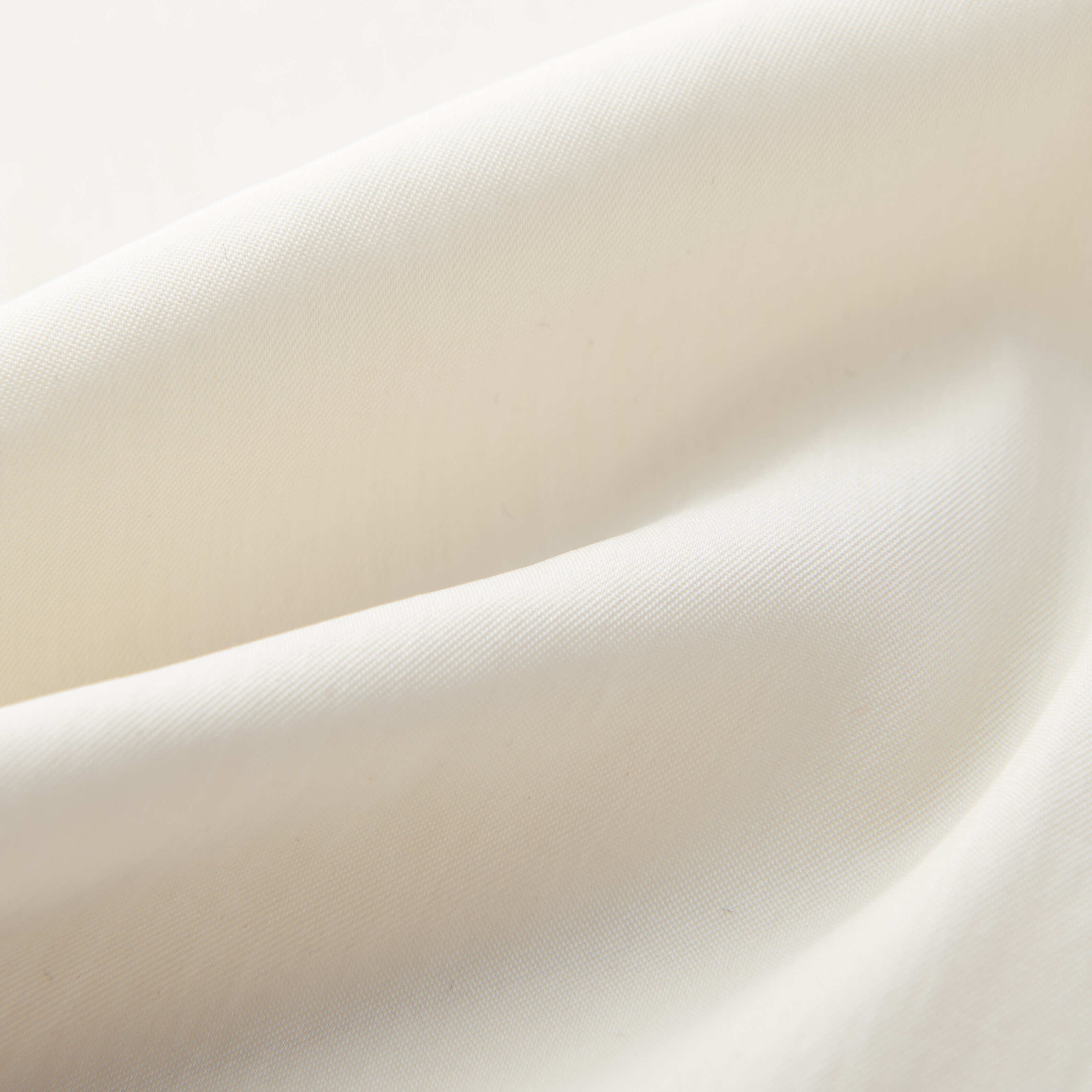
Modern textile manufacturing has witnessed a significant shift toward innovative fiber blending techniques, with manufacturers increasingly favoring combinations that optimize both performance and sustainability. Among these emerging trends, the strategic blending of Tencel with rayon or nylon has garnered substantial attention from industry professionals seeking to create superior fabric compositions. These tencel rayon nylon blends represent a sophisticated approach to textile engineering, offering manufacturers the opportunity to leverage the unique properties of each fiber while mitigating individual limitations. The growing preference for these blended compositions stems from their ability to deliver enhanced durability, improved comfort characteristics, and superior processing efficiency compared to single-fiber alternatives.
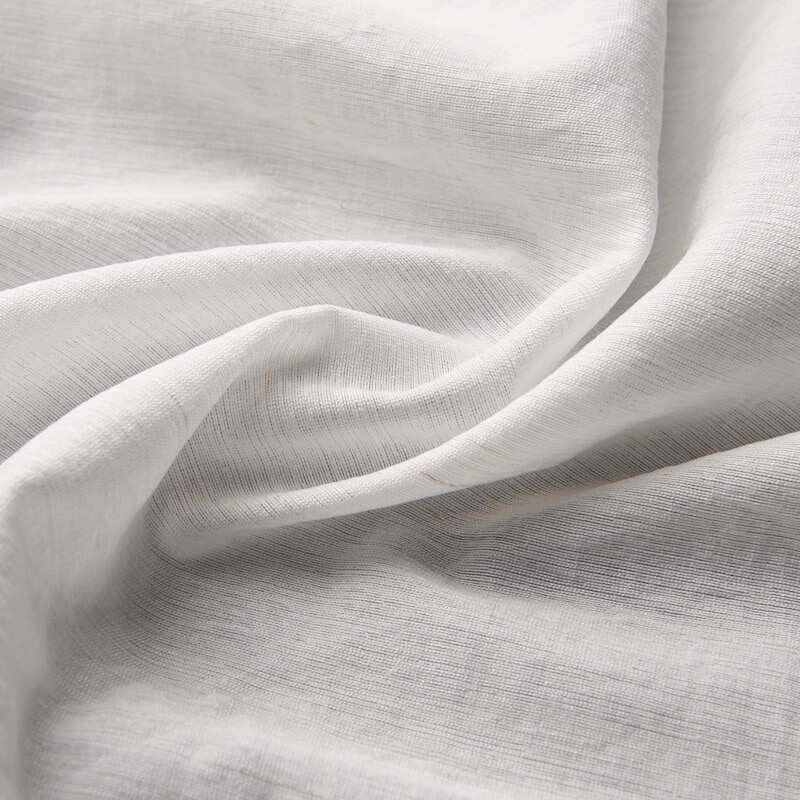
Understanding the Foundation of Tencel Fiber Properties
Structural Characteristics and Manufacturing Process
Tencel, derived from sustainably sourced eucalyptus wood pulp, exhibits remarkable molecular uniformity that contributes to its exceptional performance characteristics. The closed-loop manufacturing process employed in Tencel production creates fibers with consistent diameter and surface smoothness, resulting in fabrics with superior drape and hand feel. This precision manufacturing approach ensures that tencel rayon nylon blends maintain predictable performance standards across different production batches. The fiber's inherent strength and elongation properties make it an ideal candidate for blending applications where dimensional stability is paramount.
The crystalline structure of Tencel fibers provides excellent moisture management capabilities, absorbing up to 50% more moisture than conventional cotton while maintaining rapid moisture transfer rates. This characteristic becomes particularly valuable when combined with synthetic fibers like nylon, creating blended fabrics that offer both comfort and performance. Manufacturing facilities appreciate Tencel's consistent processing behavior, which reduces production variability and minimizes quality control challenges during fabric production.
Environmental and Sustainability Advantages
The environmental credentials of Tencel significantly influence manufacturer preferences, particularly in markets where sustainability compliance is becoming increasingly stringent. Tencel production utilizes renewable eucalyptus resources that require minimal water and no pesticides, aligning with corporate sustainability initiatives. When blended with traditional fibers like rayon or high-performance materials such as nylon, Tencel enhances the overall environmental profile of the finished fabric without compromising functional performance.
Manufacturers recognize that incorporating Tencel into their blend formulations allows them to market products with enhanced eco-friendly credentials while meeting performance specifications. The biodegradable nature of Tencel components in tencel rayon nylon blends addresses end-of-life disposal concerns, particularly important for applications in sectors with stringent environmental regulations. This sustainability advantage often translates into premium pricing opportunities and expanded market access for manufacturers targeting environmentally conscious consumers.
Strategic Benefits of Tencel-Rayon Combinations
Enhanced Processing Efficiency and Cost Optimization
The combination of Tencel and rayon creates synergistic effects that significantly improve manufacturing efficiency and reduce production costs. Both fibers share similar chemical compositions and processing requirements, allowing manufacturers to utilize existing equipment configurations without substantial modifications. This compatibility reduces capital investment requirements while enabling production of high-quality blended fabrics using established manufacturing protocols.
Rayon's cost-effectiveness combined with Tencel's premium properties creates an optimal balance between performance and affordability in the final product. Manufacturers can achieve desired fabric characteristics while maintaining competitive pricing structures, particularly important in price-sensitive market segments. The similar dyeing behavior of both fibers ensures consistent coloration throughout the fabric, reducing quality control complexities and minimizing waste during production processes.
Improved Fabric Performance and Durability
Tencel-rayon blends demonstrate superior dimensional stability compared to pure rayon fabrics, addressing traditional concerns about shrinkage and distortion during washing and wearing. The reinforcing effect of Tencel fibers enhances the overall strength of the blend while maintaining the soft hand feel characteristic of rayon. This combination results in fabrics that exhibit improved tear resistance and abrasion performance without sacrificing comfort or drapeability.
The moisture management properties of these blends surpass those of individual fibers, creating fabrics that remain comfortable across varying environmental conditions. Manufacturers value this enhanced performance profile as it expands potential applications and increases customer satisfaction rates. The reduced pilling tendency in tencel rayon nylon blends compared to pure rayon alternatives represents another significant advantage for manufacturers targeting premium market segments.
Advantages of Integrating Nylon with Tencel
Strength Enhancement and Durability Improvement
The incorporation of nylon into Tencel-based blends dramatically improves the mechanical properties of the resulting fabric, creating materials suitable for demanding applications. Nylon's exceptional tensile strength and elastic recovery properties complement Tencel's natural characteristics, producing fabrics that maintain shape integrity under stress while retaining comfort features. This strength enhancement allows manufacturers to create lighter-weight fabrics without compromising durability, particularly valuable in applications where weight reduction is critical.
The abrasion resistance provided by nylon components significantly extends the service life of blended fabrics, reducing replacement frequency and improving overall value proposition for end users. Manufacturers benefit from reduced warranty claims and enhanced brand reputation when utilizing these improved formulations. The elastic properties of nylon also contribute to improved fit and comfort in garment applications, addressing consumer demands for performance-oriented textiles.
Versatility in Application and Market Expansion
Tencel-nylon blends enable manufacturers to target diverse market segments that require specific performance characteristics typically unavailable in single-fiber products. The combination creates fabrics suitable for athletic wear, outdoor applications, and professional uniforms where durability and comfort must coexist. This versatility allows manufacturers to diversify their product portfolios and reduce dependence on single-market segments.
The quick-drying properties inherent in nylon-enhanced blends address growing consumer demands for low-maintenance textiles, particularly important in commercial and hospitality applications. Manufacturers can command premium prices for these enhanced-performance fabrics while benefiting from increased customer loyalty due to superior product performance. The adaptability of these blends to various finishing treatments further expands potential applications and market opportunities.
Manufacturing Process Optimization and Quality Control
Production Efficiency and Consistency
The compatibility of Tencel with both rayon and nylon during various manufacturing processes enables streamlined production workflows and reduced complexity in quality control procedures. Spinning operations benefit from the uniform fiber characteristics, resulting in yarns with consistent properties and reduced breakage rates. This consistency translates into improved loom efficiency and reduced downtime during weaving or knitting operations.
Dyeing and finishing processes show improved results when working with these carefully formulated blends, as the similar chemical responses of the components ensure uniform treatment penetration and consistent final appearance. Manufacturers experience reduced rework rates and improved first-pass quality yields, contributing to overall cost reduction and improved profitability. The predictable behavior of tencel rayon nylon blends during heat setting and other finishing operations allows for optimized process parameters and reduced energy consumption.
Quality Assurance and Performance Validation
The inherent quality characteristics of well-formulated Tencel blends simplify quality control procedures and reduce testing requirements during production. Standard test protocols effectively evaluate blend performance, eliminating the need for specialized testing equipment or procedures. This standardization reduces quality control costs while ensuring consistent product performance across production runs.
Manufacturers benefit from the predictable aging characteristics of these blends, as the stability of the component fibers ensures long-term performance consistency. The reduced variability in physical properties over time minimizes customer complaints and enhances brand reputation. Quality documentation becomes more straightforward when working with established blend ratios, facilitating compliance with industry standards and customer specifications.
Economic Considerations and Market Positioning
Cost Structure Analysis and Profitability
The economic advantages of utilizing tencel rayon nylon blends extend beyond raw material costs to encompass improved manufacturing efficiency and reduced waste generation. Manufacturers can optimize blend ratios to achieve desired performance characteristics while maintaining competitive cost structures. The premium pricing potential of these enhanced fabrics often offsets higher raw material costs, resulting in improved profit margins compared to conventional alternatives.
Reduced processing time and improved yield rates contribute to overall cost reduction, making these blends increasingly attractive from a financial perspective. The ability to target multiple market segments with a single blend formulation reduces inventory complexity and improves capital utilization. Long-term contracts become more feasible due to the consistent availability and pricing of component fibers, providing manufacturers with improved financial predictability.
Market Differentiation and Competitive Advantages
Manufacturers utilizing advanced Tencel blend formulations gain significant competitive advantages through superior product performance and enhanced sustainability credentials. The ability to offer fabrics with unique property combinations enables differentiation in crowded marketplaces and supports premium pricing strategies. These advanced materials often become proprietary offerings that strengthen customer relationships and reduce price-based competition.
The growing consumer awareness of sustainable and high-performance textiles creates market opportunities that favor manufacturers investing in advanced blend technologies. Early adoption of tencel rayon nylon blends positions manufacturers advantageously for future market developments and regulatory changes. The enhanced performance characteristics often lead to expanded applications and new market penetration opportunities that traditional fabrics cannot address.
Future Trends and Development Opportunities
Innovation Potential and Technology Integration
The continued development of Tencel blend technologies presents significant opportunities for manufacturers seeking to maintain competitive advantages in evolving markets. Advanced processing techniques and novel blend ratios continue to emerge, offering potential for further performance enhancements and cost optimizations. Research into specialized finishing treatments specific to these blends promises additional functionality improvements and expanded application possibilities.
Integration with smart textile technologies becomes increasingly feasible when working with the consistent platform provided by optimized tencel rayon nylon blends. The stable base properties of these materials support the incorporation of functional additives and treatments without compromising fundamental performance characteristics. Manufacturers investing in these advanced formulations position themselves to capitalize on emerging technology trends and evolving customer requirements.
Sustainability Evolution and Regulatory Compliance
Anticipated changes in environmental regulations and sustainability standards favor manufacturers already utilizing eco-friendly blend formulations. The proactive adoption of Tencel-based blends provides compliance advantages and reduces potential future adaptation costs. Continuous improvements in sustainable fiber production technologies will further enhance the environmental credentials of these blend systems.
The circular economy initiatives gaining momentum across textile industries align well with the characteristics of biodegradable Tencel components in blend formulations. Manufacturers can leverage these environmental advantages to access emerging markets focused on sustainability and regulatory compliance. The development of recycling technologies specific to these blend types creates additional value streams and supports long-term business sustainability.
FAQ
What are the primary performance advantages of blending Tencel with rayon or nylon
Blending Tencel with rayon creates fabrics with enhanced dimensional stability, improved moisture management, and superior durability compared to pure rayon alternatives. When combined with nylon, these blends gain exceptional strength, abrasion resistance, and elastic recovery properties while maintaining the comfort and sustainability benefits of Tencel. The synergistic effects result in fabrics that offer premium performance characteristics unattainable with single-fiber constructions.
How do these blends impact manufacturing costs and efficiency
Tencel blends with rayon and nylon typically improve manufacturing efficiency through consistent processing behavior, reduced breakage rates, and improved yield percentages. While raw material costs may be higher than conventional alternatives, the enhanced processing efficiency and premium pricing potential often result in improved overall profitability. Reduced waste generation and consistent quality outcomes contribute to lower total manufacturing costs per unit of finished product.
What sustainability benefits do Tencel-based blends provide to manufacturers
Tencel components in blended fabrics significantly improve the environmental profile through renewable raw material sourcing, reduced water consumption during production, and biodegradable end-of-life characteristics. These sustainability advantages enable manufacturers to access environmentally conscious markets, comply with evolving regulations, and support corporate sustainability initiatives. The combination allows manufacturers to offer premium performance while maintaining strong environmental credentials.
Which applications benefit most from tencel rayon nylon blend formulations
These versatile blends excel in applications requiring both comfort and durability, including athletic wear, professional uniforms, hospitality textiles, and outdoor applications. The moisture management properties make them ideal for activewear and undergarments, while the strength characteristics suit demanding commercial applications. The combination of sustainability and performance makes these blends particularly valuable in premium market segments and applications with stringent performance specifications.