
 EN
EN

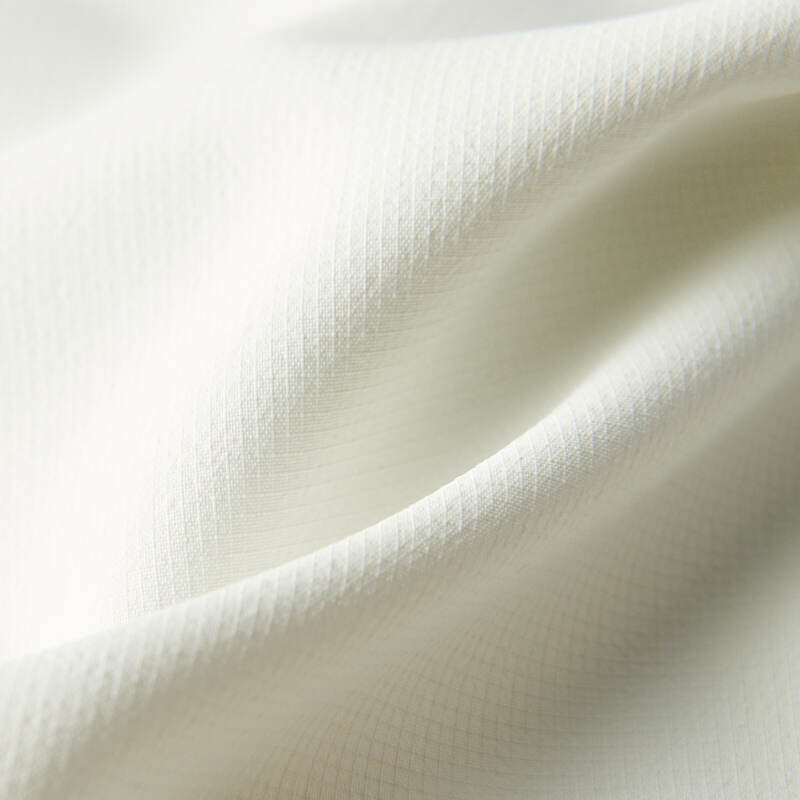
In today's environmentally conscious world, consumers and manufacturers are increasingly seeking sustainable alternatives to traditional textile materials. Among the most promising innovations in eco-friendly fabrics, Tencel fabric stands out as a revolutionary solution that combines environmental responsibility with exceptional performance characteristics. This natural fiber, derived from sustainably sourced wood pulp, represents a significant advancement in textile technology that addresses both ecological concerns and consumer demands for high-quality apparel materials.
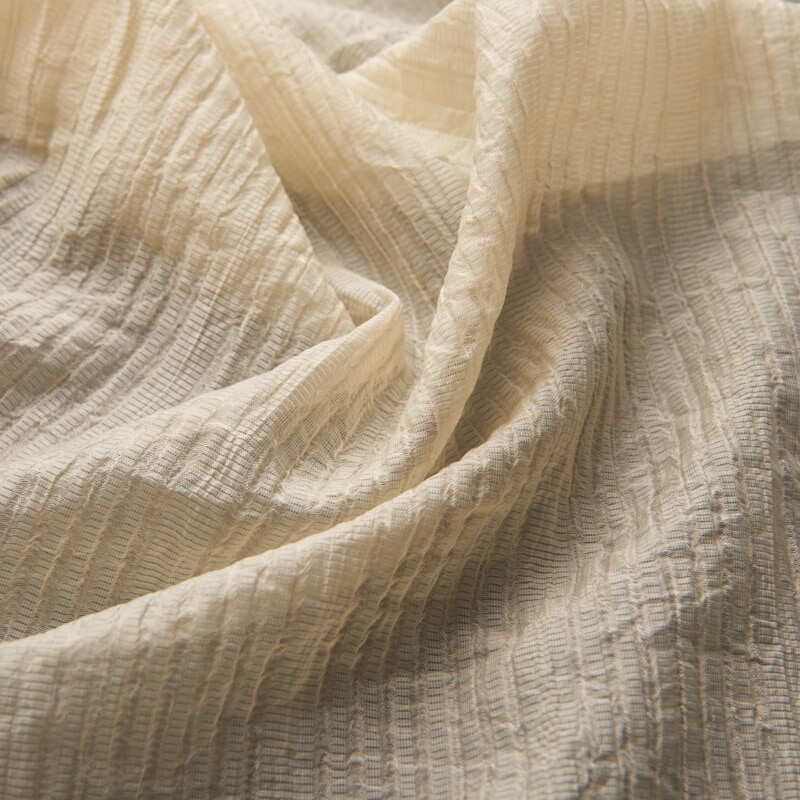
Understanding the Environmental Benefits of Tencel Production
Sustainable Sourcing and Forest Management
The environmental advantages of Tencel fabric begin with its raw material sourcing. Unlike conventional cotton production that requires extensive water usage and pesticide applications, Tencel originates from responsibly managed forests certified by the Forest Stewardship Council. These eucalyptus, beech, and birch trees grow rapidly and require minimal water irrigation, making them an exceptionally sustainable resource. The closed-loop production system ensures that over 99% of the chemical solvents used in processing are recovered and reused, significantly reducing environmental impact compared to traditional textile manufacturing methods.
The cultivation practices for Tencel source materials demonstrate remarkable efficiency in land utilization. Eucalyptus trees, the primary source for many Tencel varieties, can yield ten times more fiber per acre than cotton while requiring substantially less water and no pesticides. This efficiency translates to reduced agricultural pressure on existing farmland, allowing for better biodiversity preservation and soil conservation. The sustainable forestry practices ensure continuous regeneration of wood resources without contributing to deforestation or habitat destruction.
Carbon Footprint Reduction and Circular Economy Principles
Manufacturing processes for Tencel fabric incorporate advanced technologies that minimize carbon emissions throughout the production cycle. The closed-loop system not only recovers chemical solvents but also reduces energy consumption by optimizing heat recovery and recycling waste heat generated during processing. These innovations result in a carbon footprint that is significantly lower than conventional synthetic fibers, contributing to climate change mitigation efforts across the textile industry.
The circular economy principles embedded in Tencel production extend beyond manufacturing to end-of-life considerations. When garments made from Tencel fabric reach the end of their useful life, they can be composted under industrial conditions, returning nutrients to the soil and completing the natural cycle. This biodegradability characteristic eliminates the long-term environmental burden associated with synthetic materials that persist in landfills for decades.
Performance Characteristics That Define Quality Apparel
Moisture Management and Breathability
The exceptional moisture-wicking properties of Tencel fabric make it an ideal choice for activewear, undergarments, and everyday clothing applications. The unique fiber structure features microscopic channels that efficiently transport moisture away from the skin while maintaining breathability. This natural moisture management system helps regulate body temperature and prevents the accumulation of perspiration, creating a more comfortable wearing experience compared to synthetic alternatives that can trap heat and moisture.
The breathability characteristics of Tencel fabric result from its porous fiber structure, which allows air circulation while maintaining the fabric's integrity and appearance. This natural ventilation system prevents overheating during physical activities and ensures comfort in various climate conditions. The combination of moisture-wicking and breathability makes Tencel particularly suitable for intimate apparel, sleepwear, and athletic clothing where comfort and hygiene are paramount considerations.
Durability and Longevity in Garment Construction
Despite its soft texture and natural origin, Tencel fabric demonstrates remarkable durability that rivals synthetic materials in many applications. The strong intermolecular bonds within the fiber structure provide excellent tensile strength, ensuring that garments maintain their shape and appearance through multiple wash cycles. This durability characteristic extends the lifespan of clothing items, contributing to sustainable consumption patterns by reducing the frequency of replacement purchases.
The dimensional stability of Tencel fabric prevents excessive shrinkage and stretching, maintaining garment fit and appearance over time. The fiber's resistance to pilling and fuzzing ensures that clothing maintains a professional appearance even after extended wear and laundering. These performance characteristics make Tencel particularly valuable for high-quality garments where longevity and maintained appearance are essential factors in consumer satisfaction and brand reputation.
Applications Across Modern Fashion and Textile Industries
Luxury Fashion and High-End Apparel
The luxury fashion sector has embraced Tencel fabric for its exceptional drape, silk-like appearance, and sustainable credentials that align with contemporary consumer values. High-end designers appreciate the versatility of Tencel in creating flowing dresses, sophisticated blouses, and tailored garments that require both aesthetic appeal and comfort. The fiber's ability to accept dyes evenly results in vibrant, long-lasting colors that maintain their intensity through multiple cleaning cycles.
Premium brands leverage the sustainable story of Tencel fabric to appeal to environmentally conscious consumers who seek luxury without compromising their ecological values. The natural origin and responsible production methods provide authentic sustainability credentials that resonate with affluent consumers increasingly concerned about the environmental impact of their purchasing decisions. This alignment between luxury appeal and environmental responsibility positions Tencel as a preferred material for forward-thinking fashion houses.
Technical and Performance Wear Applications
The athletic and outdoor apparel industries have discovered significant benefits in incorporating Tencel fabric into performance wear collections. The natural antibacterial properties of Tencel fibers help prevent odor development during intense physical activities, reducing the need for frequent washing and extending the useful life of athletic garments. This antibacterial characteristic stems from the smooth fiber surface that inhibits bacterial growth while maintaining breathability and moisture management.
Technical applications of Tencel fabric extend to specialized workwear and uniforms where comfort, durability, and easy maintenance are critical requirements. The fabric's resistance to static electricity makes it suitable for electronic manufacturing environments, while its temperature regulation properties provide comfort in various industrial settings. The easy-care characteristics reduce maintenance costs and downtime associated with uniform replacement and cleaning.
Manufacturing Innovation and Production Excellence
Advanced Processing Technologies
Modern Tencel fabric production incorporates cutting-edge technologies that optimize fiber quality while minimizing environmental impact. The dissolution process uses environmentally benign solvents that are continuously recycled within the closed-loop system, achieving recovery rates exceeding 99%. Advanced spinning techniques create consistent fiber diameter and length, resulting in fabrics with uniform texture and performance characteristics across large production runs.
Quality control systems in Tencel manufacturing utilize sophisticated monitoring equipment to ensure consistent fiber properties and eliminate defects that could compromise fabric performance. Automated systems track temperature, chemical concentrations, and processing times to maintain optimal conditions throughout production. These technological advances enable manufacturers to deliver consistent quality while maintaining the environmental benefits that distinguish Tencel from conventional textile fibers.
Supply Chain Sustainability and Traceability
The Tencel fabric supply chain emphasizes transparency and traceability from forest source to finished product, providing manufacturers and consumers with confidence in the material's sustainability credentials. Certification systems track wood sources to ensure compliance with sustainable forestry practices, while production facilities undergo regular audits to verify environmental and social responsibility standards. This comprehensive approach to supply chain management sets new standards for accountability in textile manufacturing.
Collaborative partnerships between Tencel producers, fabric manufacturers, and apparel brands create integrated supply chains that optimize sustainability benefits throughout the value chain. These partnerships facilitate knowledge sharing, technology transfer, and coordinated sustainability initiatives that amplify the positive environmental impact of choosing Tencel fabric. The collaborative approach demonstrates industry commitment to sustainable innovation and responsible production practices.
Economic Advantages and Market Position
Cost-Effectiveness in Long-Term Applications
While initial procurement costs for Tencel fabric may exceed conventional cotton or synthetic alternatives, the long-term economic benefits often justify the investment for quality-focused manufacturers. The durability characteristics of Tencel reduce warranty claims and product returns, while the sustainable credentials support premium pricing strategies that enhance profit margins. The reduced processing requirements during garment care contribute to lower total cost of ownership for consumers.
The efficiency of Tencel fabric in moisture management and temperature regulation reduces the need for additional treatments or layered constructions in many applications. This simplification in garment design and construction can offset higher material costs while delivering superior performance characteristics. The premium positioning of Tencel enables brands to capture higher value segments of the market where sustainability and performance command price premiums.
Market Growth and Industry Adoption Trends
The global market for Tencel fabric continues to expand as consumer awareness of sustainability issues drives demand for eco-friendly alternatives to traditional textiles. Major apparel brands are incorporating increasing percentages of Tencel into their product lines, creating stable demand that supports continued investment in production capacity and technology improvements. This growing adoption across diverse market segments validates the commercial viability of sustainable textile alternatives.
Industry analysts project continued growth in Tencel fabric demand driven by regulatory pressures, consumer preferences, and corporate sustainability commitments. The convergence of environmental regulations, consumer activism, and corporate responsibility initiatives creates a favorable market environment for sustainable materials like Tencel. This trend positioning provides opportunities for early adopters to establish market leadership in sustainable textile applications.
FAQ
How does Tencel fabric compare to organic cotton in terms of sustainability
Tencel fabric generally offers superior sustainability compared to organic cotton due to its more efficient land and water usage. While organic cotton eliminates pesticide concerns, it still requires significantly more water and land per unit of fiber produced. Tencel production uses 95% less water than cotton and yields ten times more fiber per acre. Additionally, the closed-loop manufacturing process for Tencel recovers and reuses chemicals, whereas cotton processing involves more waste generation and chemical discharge.
Can Tencel fabric maintain its properties after multiple washes
Yes, Tencel fabric is designed to maintain its key properties including softness, moisture-wicking ability, and dimensional stability through numerous wash cycles. The strong intermolecular bonds in Tencel fibers provide excellent wash durability, and the fabric actually becomes softer with repeated laundering. However, proper care including appropriate water temperature and gentle detergents will optimize longevity and performance retention. The fabric's resistance to shrinkage and color fading ensures garments maintain their fit and appearance over time.
Is Tencel fabric suitable for people with sensitive skin or allergies
Tencel fabric is exceptionally suitable for individuals with sensitive skin due to its hypoallergenic properties and smooth fiber surface. The natural antibacterial characteristics help prevent irritation caused by bacterial growth, while the moisture-wicking properties keep skin dry and comfortable. The production process eliminates harsh chemicals that might cause allergic reactions, and the biodegradable nature indicates compatibility with natural biological systems. Many dermatologists recommend Tencel for patients with eczema, dermatitis, or other skin sensitivities.
What is the expected lifespan of garments made from Tencel fabric
Garments made from high-quality Tencel fabric can last 3-5 years or longer with proper care, comparable to or exceeding the lifespan of similar cotton garments. The durability depends on factors including fabric weight, garment construction quality, frequency of use, and care practices. Tencel's resistance to pilling, fading, and shape distortion contributes to extended useful life. The fabric's strength and dimensional stability mean that well-constructed Tencel garments often outlast synthetic alternatives while maintaining their appearance and performance characteristics throughout their lifecycle.