All Categories
sustainable fabric wholesale-0

Home > 

sustainable fabric wholesale

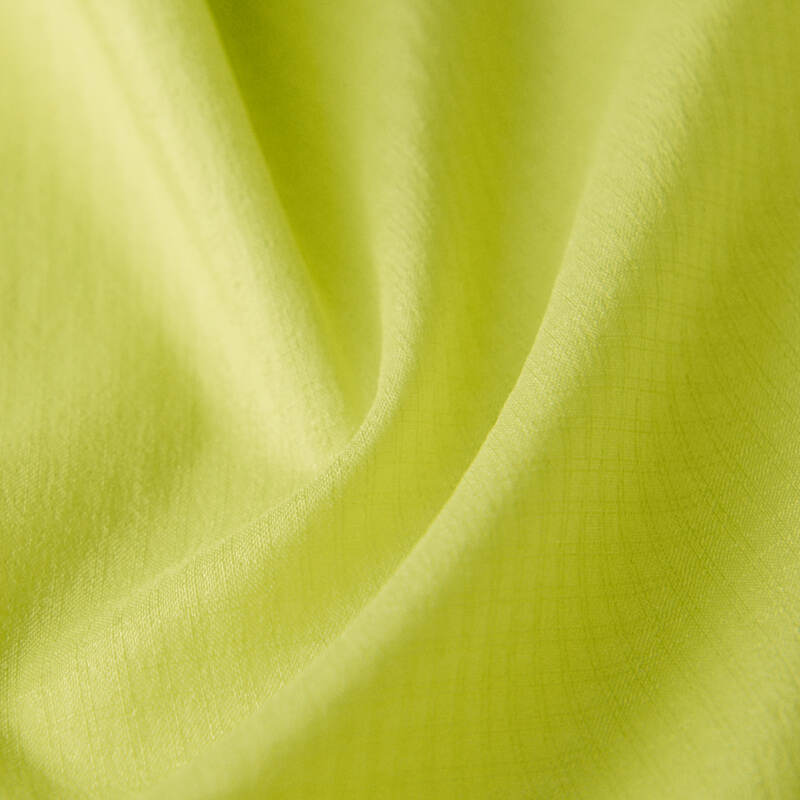
Sustainable fabric wholesale represents a transformative approach to textile distribution, combining environmental responsibility with commercial viability. This innovative business model focuses on sourcing and distributing eco-friendly textiles manufactured through environmentally conscious processes. These materials range from organic cotton and hemp to recycled polyester and innovative plant-based fibers. The wholesale operation ensures bulk availability of these sustainable materials to manufacturers, fashion brands, and retailers while maintaining competitive pricing structures. Advanced tracking systems monitor the entire supply chain, from raw material sourcing to final delivery, ensuring transparency and environmental compliance. The materials undergo rigorous quality testing to meet international standards while maintaining their eco-friendly characteristics. Modern inventory management systems enable efficient storage and distribution, reducing waste and environmental impact. The wholesale model also incorporates carbon footprint reduction strategies in transportation and packaging, utilizing renewable energy sources and biodegradable packaging materials where possible. This comprehensive approach makes sustainable fabrics accessible to businesses of all sizes, facilitating the fashion industry's transition toward more environmentally responsible practices.


New Product Recommendations

Sustainable fabric wholesale offers numerous compelling advantages for businesses looking to embrace eco-friendly practices. First, it provides significant cost benefits through bulk purchasing power, making sustainable materials more affordable for businesses of all sizes. The wholesale model enables consistent pricing and reliable supply chains, essential for long-term business planning. Quality assurance is maintained through standardized testing procedures, ensuring that all materials meet both environmental and performance requirements. The wholesale approach also simplifies the sourcing process, providing businesses with a single point of contact for multiple sustainable fabric options. This streamlined process reduces administrative overhead and procurement complexity. Environmental certification compliance is managed at the wholesale level, relieving individual businesses of the burden of verification. The model supports inventory management efficiency through sophisticated stock monitoring systems, reducing waste and improving cash flow. Businesses benefit from expert guidance in material selection and application, ensuring optimal use of sustainable fabrics. The wholesale structure facilitates easier access to innovative sustainable materials as they enter the market. Regular bulk deliveries help maintain consistent production schedules while minimizing transportation-related emissions. Additionally, the wholesale model enables businesses to respond quickly to market demands for sustainable products, providing a competitive advantage in an increasingly environmentally conscious market.

Tips And Tricks

How Do Bio-Based Materials Improve Fabric Sustainability?

12

Aug

How Do Bio-Based Materials Improve Fabric Sustainability?

View More
What Are the Advantages of Using Natural Fibers in Textiles?

12

Aug

What Are the Advantages of Using Natural Fibers in Textiles?

View More
How Do Natural Fibers Enhance Fabric Comfort and Breathability?

12

Aug

How Do Natural Fibers Enhance Fabric Comfort and Breathability?

View More
How Do Synthetic Fibers Improve Fabric Durability?

12

Aug

How Do Synthetic Fibers Improve Fabric Durability?

View More

Get a Free Quote

Our representative will contact you soon.
Email
Name
Company Name
Message
0/1000

sustainable fabric wholesale

Supply Chain Transparency and Traceability

Supply Chain Transparency and Traceability

Sustainable fabric wholesale operations excel in maintaining complete supply chain transparency, a crucial factor in modern textile distribution. Advanced tracking systems monitor materials from source to final delivery, providing detailed documentation of each step in the process. This transparency enables businesses to verify the environmental credentials of their materials and ensure compliance with sustainability standards. The system includes real-time monitoring of transportation routes, storage conditions, and handling procedures, ensuring optimal material quality throughout the distribution process. Digital tracking platforms provide instant access to certification documents, material composition details, and environmental impact assessments. This comprehensive traceability system helps businesses meet increasingly stringent regulatory requirements and consumer demands for transparency.
Environmental Impact Reduction Systems

Environmental Impact Reduction Systems

The wholesale model incorporates sophisticated environmental impact reduction systems throughout its operations. These systems include energy-efficient storage facilities powered by renewable energy sources, water recycling systems in processing areas, and waste reduction protocols. Smart logistics planning minimizes transportation emissions through route optimization and consolidated shipments. The facilities utilize advanced climate control systems that maintain optimal storage conditions while minimizing energy consumption. Packaging solutions are designed to be both protective and environmentally friendly, using recycled and biodegradable materials. The system also includes regular environmental audits and impact assessments to identify and implement further improvements.
Quality Assurance and Certification Management

Quality Assurance and Certification Management

A robust quality assurance system is central to sustainable fabric wholesale operations. Each batch of material undergoes comprehensive testing for durability, colorfastness, and environmental compliance. The testing protocols adhere to international standards while maintaining specific requirements for sustainable materials. Certification management systems track and maintain all necessary environmental and quality certifications, ensuring continuous compliance. Regular supplier audits verify adherence to sustainable practices and quality standards. The system includes detailed documentation of test results and certification status, readily available to clients. Quality control measures extend to storage and handling procedures, ensuring material integrity throughout the distribution process.

Get a Free Quote

Our representative will contact you soon.
Email
Name
Company Name
Message
0/1000