All Categories
sustainable textile manufacturer-0

Home > 

sustainable textile manufacturer

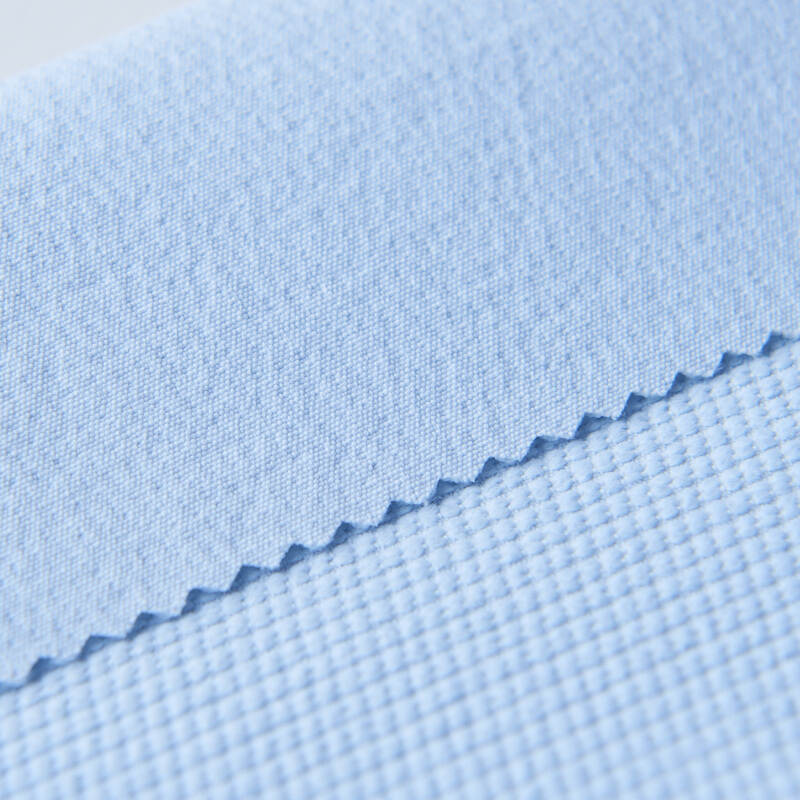
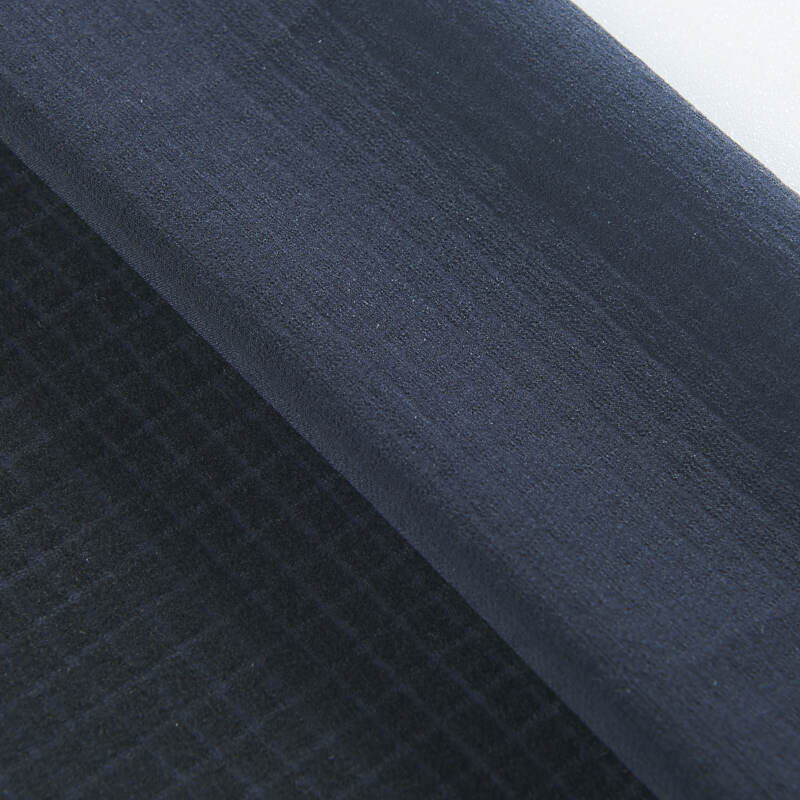
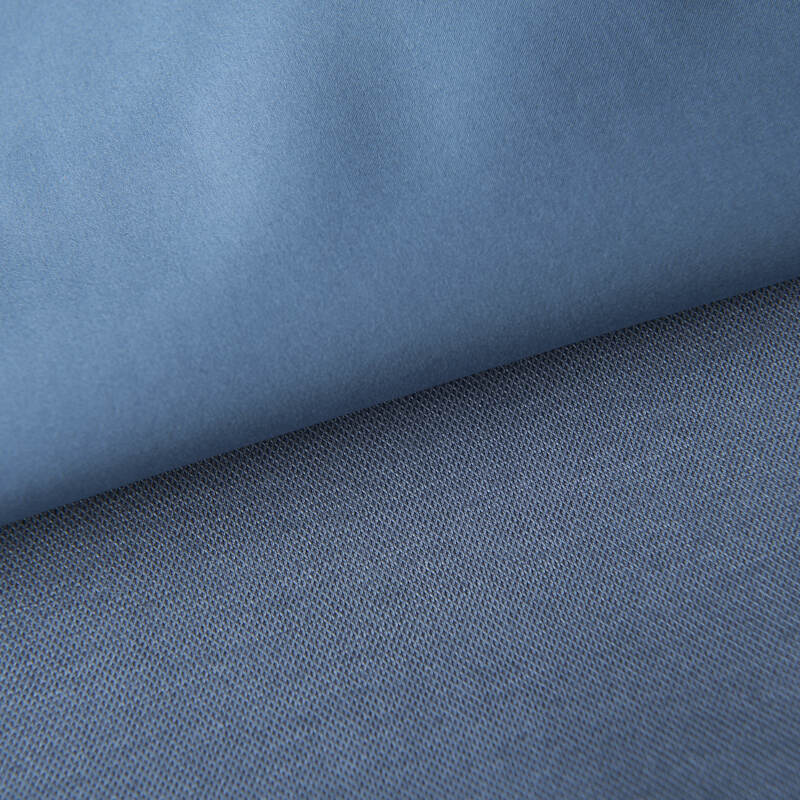
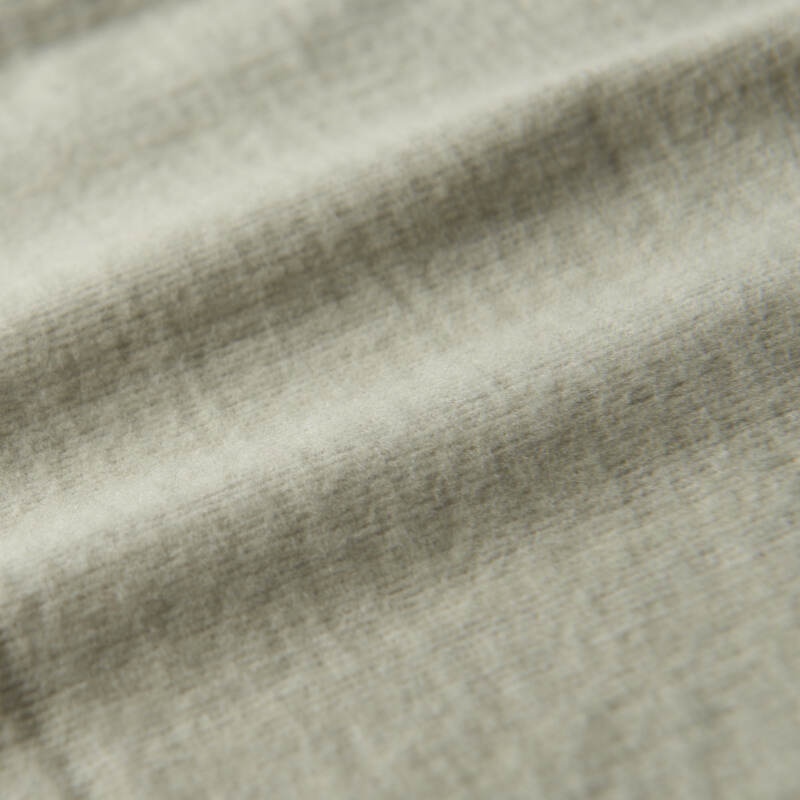
A sustainable textile manufacturer represents a cutting-edge solution in modern fabric production, combining eco-friendly practices with advanced manufacturing capabilities. This innovative facility integrates state-of-the-art machinery with sustainable processes to create high-quality textiles while minimizing environmental impact. The manufacturer employs closed-loop water systems, renewable energy sources, and waste reduction technologies to ensure minimal ecological footprint. Their production lines feature automated quality control systems, digital printing capabilities, and smart inventory management, enabling efficient production of various fabric types from organic cotton to recycled polyester. The facility's advanced air filtration system maintains optimal air quality while recovering heat energy, and its water treatment plant ensures zero liquid discharge. Advanced sensors and IoT integration enable real-time monitoring of production parameters, ensuring consistent quality while optimizing resource usage. The manufacturer's commitment to sustainability extends to its supply chain management, working exclusively with certified organic farmers and ethical material suppliers. This comprehensive approach results in premium textile products that meet both environmental standards and market demands, serving industries from fashion to home furnishings with responsibly produced materials.
New Product Recommendations

The sustainable textile manufacturer offers numerous practical benefits that directly impact both business operations and environmental responsibility. First, its advanced production methods result in significant cost savings through reduced water and energy consumption, with savings typically passed on to customers through competitive pricing. The manufacturer's zero-waste approach minimizes disposal costs while creating additional revenue streams through recycling programs. Quality control automation ensures consistent product standards, reducing returns and waste while increasing customer satisfaction. The facility's use of renewable energy sources provides price stability against fluctuating energy costs, while its water recycling systems protect against supply chain disruptions during water scarcity. Certification compliance is streamlined through integrated tracking systems, simplifying the process for brands requiring documentation of sustainable practices. The manufacturer's efficient production scheduling reduces lead times, enabling customers to respond quickly to market demands while maintaining smaller inventories. Digital printing capabilities offer unlimited design possibilities with minimal setup costs, perfect for small batch productions and customization. The facility's transparent supply chain management provides complete traceability, helping brands meet growing consumer demands for accountability. Additionally, the manufacturer's commitment to sustainable practices helps customers achieve their own environmental goals, enhancing their market position and brand value. These advantages combine to create a manufacturing partner that delivers both business efficiency and environmental responsibility.

Practical Tips

What Are the Benefits of Using Bio-Based Materials in Textiles?

12

Aug

What Are the Benefits of Using Bio-Based Materials in Textiles?

View More
How Do Bio-Based Materials Improve Fabric Sustainability?

12

Aug

How Do Bio-Based Materials Improve Fabric Sustainability?

View More
What Are the Advantages of Using Natural Fibers in Textiles?

12

Aug

What Are the Advantages of Using Natural Fibers in Textiles?

View More
How Do Natural Fibers Enhance Fabric Comfort and Breathability?

12

Aug

How Do Natural Fibers Enhance Fabric Comfort and Breathability?

View More

Get a Free Quote

Our representative will contact you soon.
Email
Name
Company Name
Message
0/1000

sustainable textile manufacturer

Advanced Resource Management System

Advanced Resource Management System

The manufacturer's state-of-the-art resource management system represents a breakthrough in sustainable textile production. This integrated system continuously monitors and optimizes water, energy, and raw material usage in real-time. Smart sensors throughout the facility track consumption patterns, automatically adjusting processes to maintain optimal efficiency. The system's predictive maintenance capabilities prevent equipment failures and resource waste, while its advanced analytics provide detailed reports on resource usage and savings. This comprehensive approach typically results in 40% less water consumption and 30% lower energy usage compared to traditional manufacturing methods, while maintaining superior product quality. The system's ability to adapt to different production requirements ensures consistent efficiency across various fabric types and batch sizes.
Circular Economy Integration

Circular Economy Integration

The manufacturer's circular economy approach transforms traditional linear production into a closed-loop system. This innovative model incorporates recycling and upcycling at every stage of production. Cutting waste becomes raw material for new products, while water used in processing is purified and reused. The facility's advanced material sorting technology efficiently separates different fiber types for recycling, while its chemical recovery systems reclaim and purify processing agents for reuse. This integrated approach not only minimizes waste but creates new value streams from previously discarded materials. The system's tracking capabilities ensure full transparency of recycled content, allowing customers to quantify and communicate their environmental impact.
Smart Quality Assurance Technology

Smart Quality Assurance Technology

The manufacturer's quality assurance system combines artificial intelligence with high-resolution imaging to maintain exceptional product standards. Advanced cameras and sensors continuously monitor fabric properties, detecting even minor variations in texture, color, and strength. Machine learning algorithms analyze this data in real-time, automatically adjusting production parameters to maintain consistency. This proactive approach prevents quality issues before they occur, reducing waste and ensuring every meter of fabric meets specifications. The system's digital documentation creates a comprehensive quality record for each production run, simplifying compliance and certification processes. This technology enables the manufacturer to maintain premium quality while using sustainable materials and processes.

Get a Free Quote

Our representative will contact you soon.
Email
Name
Company Name
Message
0/1000