All Categories
sustainable fabric for clothing-0

Home > 

sustainable fabric for clothing

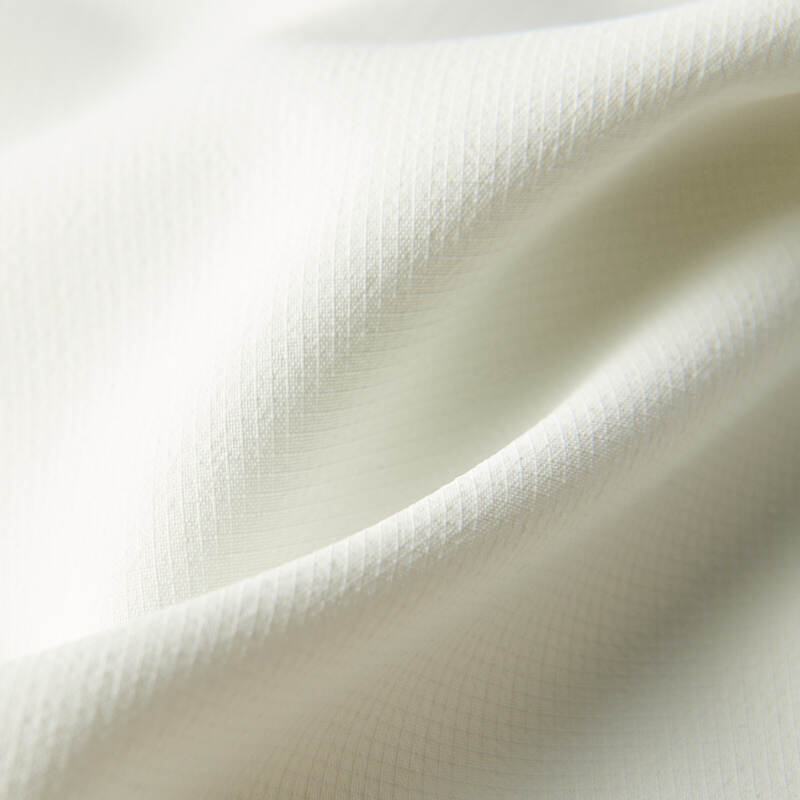
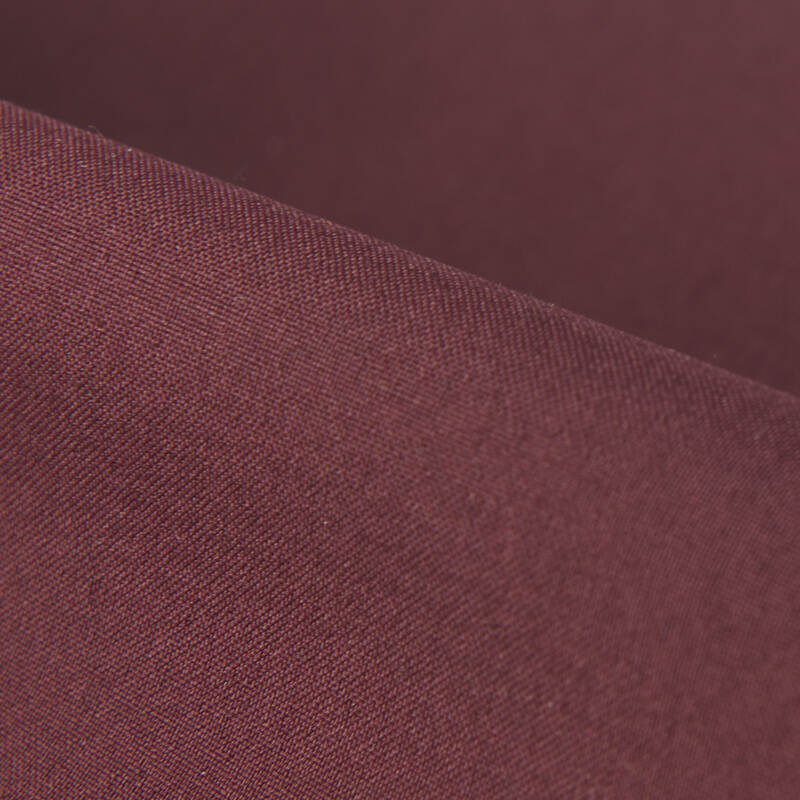
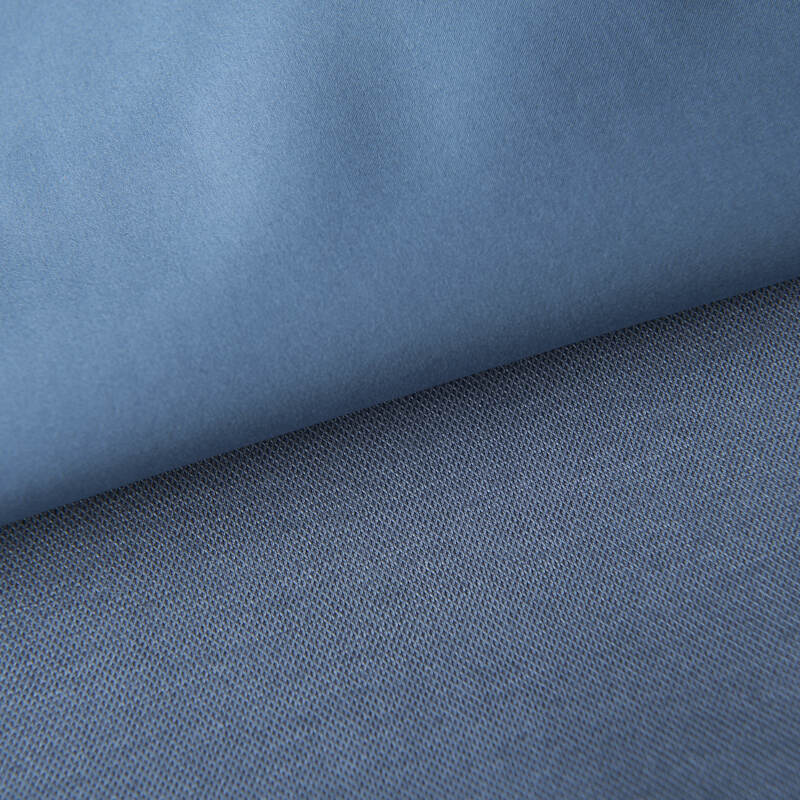
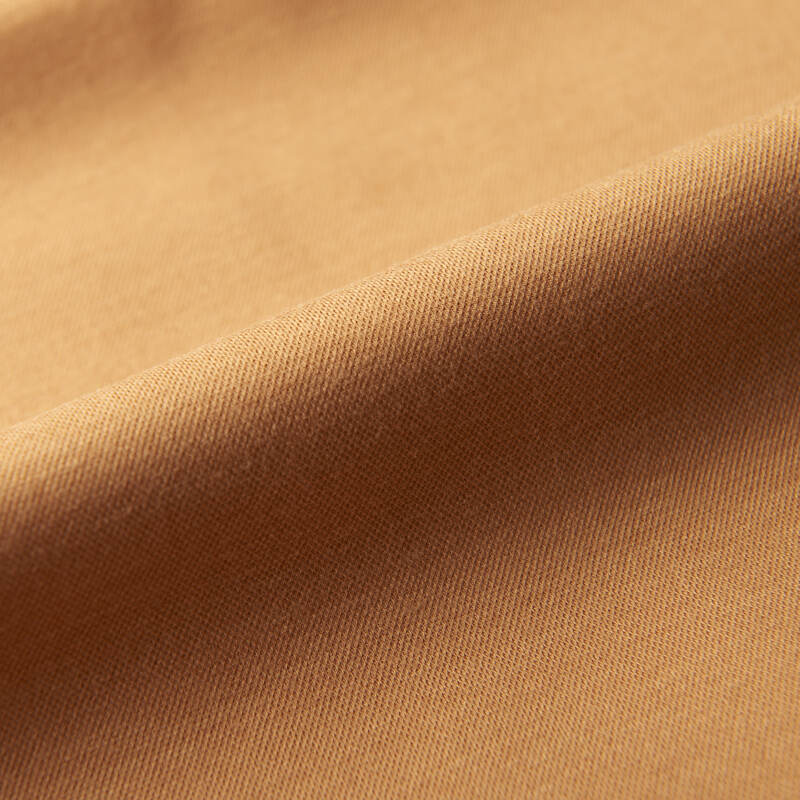
Sustainable fabric for clothing represents a revolutionary approach to fashion manufacturing that prioritizes environmental responsibility without compromising on quality or style. These materials are produced using environmentally conscious methods that significantly reduce water consumption, minimize chemical usage, and often incorporate recycled components. The technology behind sustainable fabrics has evolved to include innovative processes such as closed-loop systems, which recover and reuse resources, and bio-based materials derived from renewable sources. These fabrics demonstrate remarkable versatility, being suitable for everything from everyday casual wear to high-performance athletic gear. Advanced manufacturing techniques ensure that sustainable fabrics maintain excellent durability, breathability, and comfort while meeting strict environmental standards. Common examples include organic cotton grown without harmful pesticides, recycled polyester made from plastic bottles, and innovative materials like lyocell produced from sustainably sourced wood pulp. These fabrics often feature moisture-wicking properties, natural temperature regulation, and enhanced longevity, making them ideal for modern clothing needs while supporting ecological preservation.

Popular Products

Sustainable fabrics offer numerous compelling advantages that make them an excellent choice for conscious consumers. First, these materials significantly reduce environmental impact by using up to 90% less water and 50% less energy compared to conventional fabric production. The durability of sustainable fabrics ensures garments last longer, providing better value for money while reducing waste. These materials often possess superior breathability and moisture management properties, enhancing comfort during wear. Many sustainable fabrics are hypoallergenic and skin-friendly, making them ideal for sensitive skin. The production processes eliminate harmful chemicals and toxins, ensuring safer working conditions for manufacturers and healthier options for consumers. From a practical standpoint, sustainable fabrics often require less maintenance, with many being naturally wrinkle-resistant and quick-drying. Their innovative construction techniques result in materials that maintain their shape and color longer than traditional alternatives. The versatility of these fabrics allows for year-round use, adapting to different weather conditions while maintaining comfort. Additionally, choosing sustainable fabrics contributes to reducing the fashion industry's carbon footprint, making every purchase an investment in environmental preservation. The improved manufacturing processes also result in better quality control, ensuring consistent performance and appearance throughout the garment's lifecycle.

Latest News

What Are the Benefits of Using Bio-Based Materials in Textiles?

12

Aug

What Are the Benefits of Using Bio-Based Materials in Textiles?

View More
How Do Bio-Based Materials Improve Fabric Sustainability?

12

Aug

How Do Bio-Based Materials Improve Fabric Sustainability?

View More
How Do Natural Fibers Enhance Fabric Comfort and Breathability?

12

Aug

How Do Natural Fibers Enhance Fabric Comfort and Breathability?

View More
How Do Synthetic Fibers Improve Fabric Durability?

12

Aug

How Do Synthetic Fibers Improve Fabric Durability?

View More

Get a Free Quote

Our representative will contact you soon.
Email
Name
Company Name
Message
0/1000

sustainable fabric for clothing

Advanced Environmental Protection

Advanced Environmental Protection

Sustainable fabrics represent a significant leap forward in environmental protection within the fashion industry. These materials are produced using cutting-edge technologies that reduce water consumption by implementing closed-loop systems, which recycle up to 99% of water used in production. The manufacturing process incorporates renewable energy sources, resulting in a carbon footprint reduction of up to 70% compared to traditional fabric production. Advanced filtering systems ensure that no harmful chemicals or microplastics enter water systems, protecting aquatic ecosystems. The use of organic and recycled materials prevents additional strain on natural resources while diverting waste from landfills. This comprehensive approach to environmental protection extends throughout the entire lifecycle of the fabric, from raw material sourcing to end-of-life recycling capabilities.
Superior Comfort and Performance

Superior Comfort and Performance

The technological advancements in sustainable fabric development have resulted in materials that offer exceptional comfort and performance characteristics. These fabrics feature innovative fiber structures that create natural temperature regulation, maintaining optimal body temperature in varying conditions. The moisture-wicking properties are enhanced through specialized weaving techniques, ensuring quick evaporation of perspiration while maintaining breathability. The fabrics incorporate stretch and recovery properties that provide unrestricted movement without losing shape over time. Advanced textile engineering ensures that these materials remain soft against the skin while offering durability that surpasses traditional fabrics. The natural antimicrobial properties of many sustainable materials help prevent odor development, making them ideal for active wear and daily use.
Long-term Cost Effectiveness

Long-term Cost Effectiveness

Investing in sustainable fabrics proves to be highly cost-effective over time, offering significant financial benefits to consumers. The superior durability of these materials means garments maintain their quality through numerous wash cycles, often lasting up to three times longer than conventional alternatives. The advanced color retention technology ensures that garments maintain their appearance, reducing the need for frequent replacements. The easy-care properties of sustainable fabrics, including wrinkle resistance and quick-drying capabilities, minimize maintenance costs and energy consumption during care. The versatility of these materials allows for year-round use, reducing the need for seasonal wardrobe changes. Additionally, the growing market for sustainable fashion means these garments often retain better resale value, providing additional financial benefits for conscious consumers.

Get a Free Quote

Our representative will contact you soon.
Email
Name
Company Name
Message
0/1000