
 EN
EN

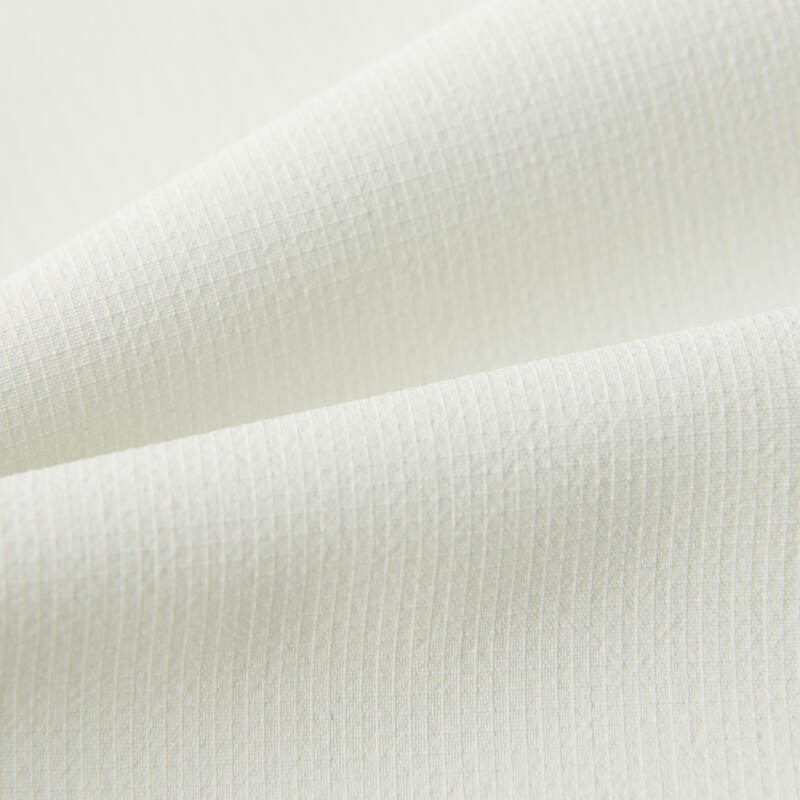
Downproof construction represents a critical engineering achievement in modern outerwear manufacturing, fundamentally transforming how insulated jackets maintain their thermal performance over time. This specialized textile technology creates an impermeable barrier that prevents down fill from migrating through fabric weave, ensuring consistent insulation distribution and extending garment lifespan. The sophisticated weaving techniques and fabric treatments involved in downproof construction deliver superior durability compared to conventional jacket construction methods, making it an essential feature for premium outdoor gear and high-performance apparel.
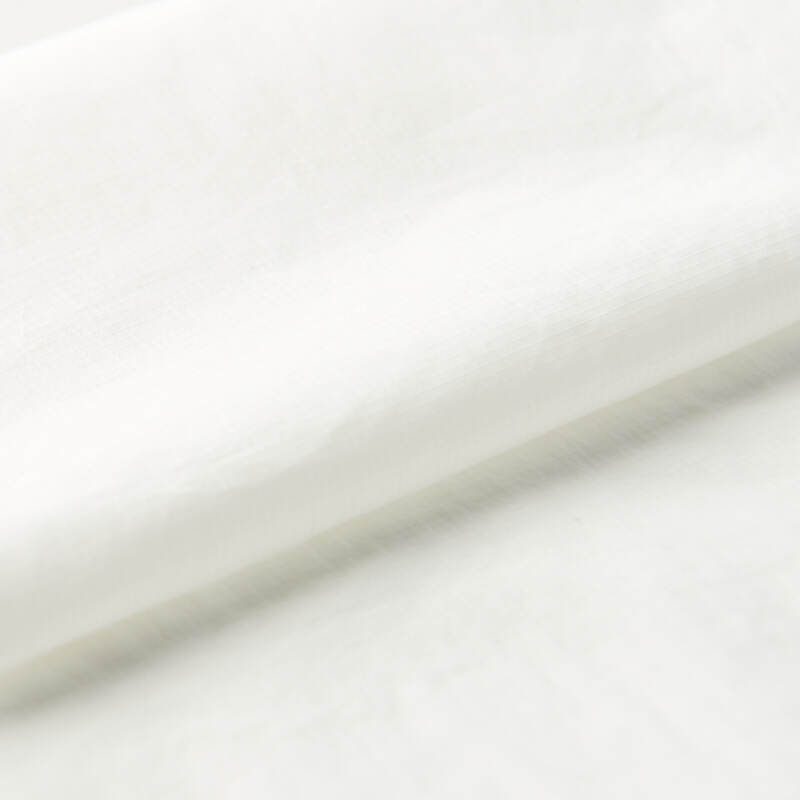
Understanding the Fundamentals of Downproof Construction Technology
The Science Behind Down Migration Prevention
Downproof construction employs ultra-tight weave patterns and specialized yarn treatments to create microscopic barriers that block down feathers and clusters from penetrating fabric structures. Traditional fabrics allow down to gradually work through the weave over time, creating cold spots and reducing insulation effectiveness. Advanced downproof construction utilizes thread counts exceeding 400 per square inch, combined with calendering processes that compress fibers into nearly impermeable surfaces while maintaining breathability for moisture management.
The molecular structure of downproof fabrics incorporates polymer coatings or treatments that further enhance barrier properties without compromising fabric flexibility. These treatments penetrate individual fibers, creating multiple layers of protection against down migration while preserving the natural drape and comfort characteristics that make down jackets appealing to consumers. Manufacturing precision in downproof construction requires specialized equipment and quality control processes to ensure consistent barrier performance across entire fabric lots.
Material Engineering Innovations in Downproof Fabrics
Modern downproof construction leverages advanced synthetic materials and hybrid fiber blends to achieve superior performance characteristics. Ripstop nylon fabrics with integrated downproof properties combine tear resistance with migration prevention, creating exceptionally durable shell materials for premium insulated garments. These engineered fabrics often incorporate recycled content and bio-based materials, addressing environmental concerns while maintaining technical performance standards required for outdoor applications.
The development of lightweight downproof construction materials has revolutionized jacket design possibilities, enabling manufacturers to create ultra-light down jackets without sacrificing durability or thermal performance. These innovations reduce fabric weight by up to 40% compared to traditional downproof materials while improving packability and reducing bulk in compressed storage conditions. Advanced fiber treatments and weaving techniques contribute to enhanced abrasion resistance and tear strength in these lightweight constructions.
Durability Enhancement Mechanisms in Downproof Construction
Structural Integrity and Longevity Benefits
Downproof construction significantly extends jacket lifespan by maintaining consistent insulation performance throughout repeated use cycles and washing processes. The barrier properties prevent down from clumping or redistributing unevenly, which commonly occurs in conventional construction methods and leads to premature garment failure. By preserving original loft distribution, downproof construction ensures thermal efficiency remains constant even after extensive wear and multiple cleaning cycles.
Laboratory testing demonstrates that jackets featuring downproof construction maintain over 95% of their original thermal performance after 100 wash cycles, compared to 60-70% retention in standard construction methods. This enhanced durability translates to significant cost savings for consumers and reduced environmental impact through extended product lifecycles. The structural integrity provided by downproof construction also reduces the likelihood of seam failures and fabric tears that often result from down migration stressing construction points.
Weather Resistance and Performance Consistency
Superior weather resistance represents another key durability benefit of downproof construction, as the tight weave patterns and treatments provide enhanced protection against wind and moisture penetration. This weather resistance prevents external elements from compromising down insulation properties, maintaining thermal performance in challenging environmental conditions. Downproof construction fabrics typically exhibit water resistance ratings exceeding 1000mm hydrostatic head pressure while maintaining breathability for comfort during active use.
The consistent performance characteristics of downproof construction eliminate the thermal variations and cold spots that develop in conventional down jackets over time. This reliability proves particularly valuable for professional outdoor applications where consistent thermal protection is critical for safety and performance. Advanced downproof construction methods incorporate durable water repellent treatments that maintain effectiveness through extended exposure to environmental stressors and repeated washing cycles.
Manufacturing Processes and Quality Control in Downproof Construction
Production Techniques and Technical Specifications
Manufacturing downproof construction requires precise control of multiple variables including yarn tension, weave density, calendering pressure, and treatment application rates. Specialized looms capable of maintaining consistent thread spacing and tension across wide fabric widths are essential for achieving uniform barrier properties. Quality control protocols include rigorous testing of fabric samples throughout production runs to verify downproof effectiveness and identify potential variations before final processing.
The calendering process used in downproof construction involves passing woven fabrics through heated rollers under controlled pressure to compress fibers and create the characteristic smooth surface that prevents down migration. Temperature and pressure parameters must be precisely controlled to achieve optimal barrier properties without damaging fiber integrity or reducing fabric strength. Post-treatment processes may include additional coating applications or chemical treatments to enhance specific performance characteristics.
Industry Standards and Testing Protocols
Standardized testing methods for evaluating downproof construction effectiveness include air permeability measurements, down migration resistance tests, and durability assessments under simulated use conditions. These protocols ensure consistent quality across different manufacturers and provide consumers with reliable performance comparisons. Industry standards specify maximum air permeability rates and minimum down retention percentages that fabrics must achieve to qualify as true downproof construction.
Advanced testing facilities utilize specialized equipment to simulate years of wear and environmental exposure in accelerated time frames, validating the long-term durability benefits of downproof construction. These comprehensive testing programs evaluate fabric performance under extreme temperature variations, UV exposure, abrasion cycles, and chemical exposure scenarios typical of outdoor gear applications. Certification programs provide third-party verification of downproof construction performance claims, giving consumers confidence in product quality and durability expectations.
Applications and Market Impact of Downproof Construction
Premium Outdoor Gear and Professional Applications
Downproof construction has become standard in premium outdoor gear segments where durability and consistent performance justify higher material costs. Professional mountain guides, expedition teams, and military personnel rely on downproof construction to maintain thermal protection in life-critical situations where equipment failure is not acceptable. The enhanced durability characteristics make downproof construction particularly valuable for rental and institutional applications where garments experience intensive use patterns.
High-end fashion brands have adopted downproof construction technology to create luxury down outerwear that maintains appearance and performance characteristics throughout extended wear cycles. This application demonstrates how technical innovations in downproof construction translate to consumer benefits beyond traditional outdoor gear markets. The consistent loft maintenance provided by downproof construction preserves the aesthetic appeal of fashion-oriented down garments while delivering superior functional performance.
Environmental Benefits and Sustainability Considerations
The extended lifespan enabled by downproof construction contributes significantly to environmental sustainability by reducing garment replacement frequency and associated manufacturing impacts. Studies indicate that doubling garment lifespan through improved construction methods can reduce total environmental impact by up to 60%, making downproof construction an important sustainability strategy for responsible outdoor gear manufacturers. The preservation of down insulation properties also reduces waste associated with premature garment disposal due to performance degradation.
Innovations in bio-based and recycled materials for downproof construction further enhance environmental benefits while maintaining technical performance standards. These sustainable material options demonstrate how downproof construction can support circular economy principles by extending product lifecycles and incorporating recycled content. Consumer awareness of environmental impacts continues to drive demand for durable construction methods like downproof technology that deliver both performance and sustainability benefits.
Future Developments in Downproof Construction Technology
Emerging Materials and Manufacturing Innovations
Research into advanced fiber technologies promises to further enhance downproof construction capabilities while reducing manufacturing complexity and costs. Nano-fiber treatments and smart materials that respond to environmental conditions represent potential breakthrough technologies for next-generation downproof construction applications. These innovations could enable adaptive barrier properties that optimize performance for specific use conditions while maintaining the fundamental down migration prevention that defines downproof construction.
Additive manufacturing techniques and precision coating applications offer possibilities for customized downproof construction properties tailored to specific performance requirements or regional climate conditions. These manufacturing advances could enable more efficient production processes while improving consistency and quality control in downproof construction applications. Integration of recycled and bio-based materials continues to evolve, promising more sustainable options without compromising the durability benefits that make downproof construction valuable.
Market Expansion and Technology Integration
The success of downproof construction in premium outdoor gear segments is driving adoption across broader apparel markets including athletic wear, urban outerwear, and workwear applications. This market expansion benefits from economies of scale that reduce costs while maintaining quality standards, making downproof construction accessible to wider consumer segments. Integration with other technical fabric technologies creates opportunities for multi-functional materials that combine downproof construction with additional performance characteristics.
Digital manufacturing technologies and Industry 4.0 implementations promise to enhance quality control and consistency in downproof construction production while reducing waste and improving efficiency. These technological integrations support the continued evolution of downproof construction as a standard feature in high-performance insulated garments. Consumer education about the durability benefits of downproof construction continues to drive market demand and justify premium pricing for products featuring this advanced construction technology.
FAQ
What makes downproof construction more durable than regular jacket construction?
Downproof construction creates an impermeable barrier that prevents down from migrating through the fabric, maintaining consistent insulation distribution and preventing the formation of cold spots that lead to premature garment failure. This technology preserves over 95% of thermal performance after 100 wash cycles compared to only 60-70% retention in standard construction, significantly extending jacket lifespan and maintaining consistent comfort levels throughout the garment's life.
How does the tight weave pattern in downproof construction affect breathability?
Despite the ultra-tight weave patterns used in downproof construction, modern manufacturing techniques maintain adequate breathability through controlled porosity and specialized treatments. The fabrics achieve thread counts exceeding 400 per square inch while preserving moisture management capabilities essential for active wear comfort. Advanced engineering balances barrier properties with breathability to ensure user comfort without compromising down retention effectiveness.
Can downproof construction be combined with sustainable materials?
Yes, contemporary downproof construction increasingly incorporates recycled content and bio-based materials without compromising technical performance standards. These sustainable material innovations demonstrate how environmental responsibility can be integrated with advanced technical construction methods. The extended lifespan provided by downproof construction also contributes to sustainability by reducing garment replacement frequency and associated manufacturing impacts.
Is downproof construction worth the additional cost for casual users?
The durability benefits of downproof construction provide long-term value even for casual users through extended garment lifespan and consistent thermal performance. While initial costs may be higher, the reduced need for replacement and maintained insulation effectiveness often result in lower total cost of ownership over time. Casual users benefit from the reliability and consistent comfort that downproof construction provides throughout the garment's extended useful life.
Table of Contents
- Understanding the Fundamentals of Downproof Construction Technology
- Durability Enhancement Mechanisms in Downproof Construction
- Manufacturing Processes and Quality Control in Downproof Construction
- Applications and Market Impact of Downproof Construction
- Future Developments in Downproof Construction Technology
- FAQ