
 EN
EN

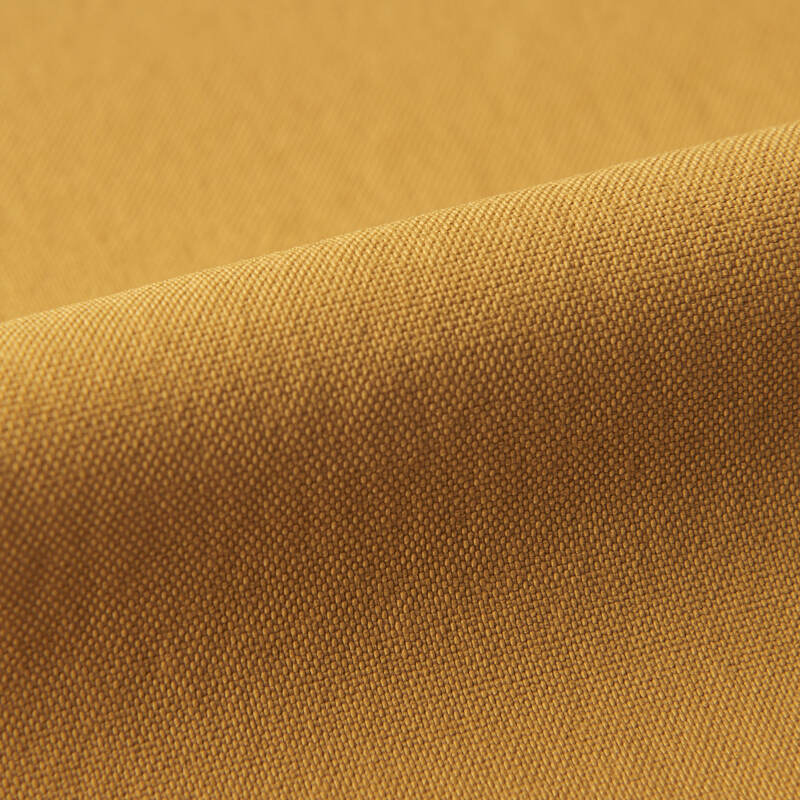
Tekstil endüstrisi, son yıllarda önemli bir dönüşüm geçirmiştir; sürdürülebilirlik, yenilikçiliğin arkasındaki itici güç haline gelmiştir. Geri dönüştürülmüş poliester kumaş üretimi, çevreyle ilgili kaygıları giderirken aynı zamanda ekolojik malzemelere yönelik artan tüketici talebini karşılamak için en umut verici çözümlerden biridir. Bu devrim niteliğinde tekstil üretimi yaklaşımı, yalnızca atığı azaltmakla kalmaz, aynı zamanda hurda plastik malzemeleri yüksek kaliteli sentetik liflere dönüştürerek değerli kaynakların korunmasını da sağlar.
Geridönüşüm polyester kumaşının üretimi, atık malzemeleri değerli tekstil kaynaklarına dönüştüren karmaşık süreçler içerir. Bu yöntemler son on yılda önemli ölçüde gelişmiş olup, hem kaliteyi hem de çevresel sorumluluğu garanti eden ileri teknolojileri kullanmaktadır. Üreticiler, tasarımcılar ve sürdürülebilir tekstil seçenekleri hakkında bilinçli kararlar almak isteyen tüketiciler için bu süreçleri anlamak büyük önem taşır.
Polyester Geri Dönüşümü İçin Kimyasal Geri Dönüşüm Yöntemleri
Depolimerizasyon ve Moleküler Parçalanma
Kimyasal geri dönüşüm, moleküler düzeyde dönüşüm yoluyla geridönüşüm polyester kumaşı üretmenin en ileri düzey yöntemidir. Bu süreç, polyester polimerlerini temel kimyasal bileşenlerine —özellikle etilen glikol ve tereftalik asit— ayırmayı içerir. Depolimerizasyon işlemi, genellikle 200 ila 300 derece Celsius arasında değişen kontrollü sıcaklık ve basınç koşulları altında gerçekleşir ve böylece tam moleküler ayrışma sağlanır.
Kimyasal geri dönüşümün etkinliği, poliester malzemelerin orijinal özelliklerini yeniden kazandırma yeteneğinde yatmaktadır. Mekanik geri dönüşüm yöntemlerinin aksine kimyasal süreçler, aşırı kirli veya bozulmuş poliester atıklarıyla başa çıkabilmekte ve bu nedenle karmaşık tekstil karışımlarının işlenmesi için idealdir. Bu yetenek, geleneksel geri dönüşüm yaklaşımlarıyla işlenemeyecek kadar çok lifli giysiler veya yoğun şekilde boyanmış malzemelerle çalışırken özellikle değerlidir.
Gelişmiş katalitik sistemler, geri dönüştürülmüş poliester kumaş üretimi için depolimerizasyon sürecini optimize etmede kritik bir rol oynar. Bu katalizörler, ürün saflığını korurken parçalanma reaksiyonlarını hızlandırır ve elde edilen monomerlerin yüksek performanslı tekstil uygulamaları için gerekli olan katı kalite standartlarını karşılamasını sağlar.
Glikoliz ve Metanoliz Teknikleri
Glikoliz, etilen glikolü depolimerizasyon ajanı olarak kullanan özel bir kimyasal geri dönüşüm yöntemidir. Bu süreç, genellikle 180 ila 240 derece Celsius arasında nispeten orta düzey sıcaklıklarda gerçekleşir ve bu nedenle diğer kimyasal geri dönüşüm yöntemlerine kıyasla enerji verimlidir. Elde edilen oligomerler, doğrudan yeniden polimerize edilerek ham maddelerle karşılaştırılabilir özelliklere sahip yeni geri dönüştürülmüş polyester kumaşlar oluşturmak için kullanılabilir.
Metanoliz, polyester zincirlerini dimetil tereftalat ve etilen glikole ayırmak için metanol kullanan başka bir kimyasal geri dönüşüm yoludur. Bu süreç, özellikle renkli veya baskılı polyester malzemelerin işlenmesinde oldukça etkilidir; çünkü kimyasal işlem, depolimerizasyon aşamasında çoğu boyayı ve katkı maddesini giderir. Metanoliz ile sağlanan saflaştırma, kaynak malzemenin başlangıçtaki durumundan bağımsız olarak, nihai geri dönüştürülmüş polyester kumaşın tutarlı kaliteye sahip olmasını sağlar.
Hem glikoliz hem de metanoliz süreçleri, sıcaklık, basınç ve katalizör konsantrasyonu dahil olmak üzere reaksiyon parametrelerinin dikkatli bir şekilde optimize edilmesini gerektirir. Bu değişkenler, geri kazanılan monomerlerin verimini ve kalitesini önemli ölçüde etkiler ve sonuç olarak geri dönüştürülmüş polyester kumaşın nihai performans özelliklerini belirler.
Mekanik Geri Dönüşüm Süreçleri ve Malzeme Hazırlığı
Sınıflandırma ve Kontaminasyon Giderme
Mekanik geri dönüşüm, polyester malzemelerin diğer tekstil liflerinden ve kontaminasyonlardan ayrılarak kapsamlı bir şekilde sınıflandırılmasıyla başlar. Gelişmiş optik sınıflandırma sistemleri, farklı polimer tiplerini tanımlamak için yakın kızılötesi spektroskopisinden yararlanır ve böylece geri dönüştürülmüş polyester kumaş üretimi için yüksek saflıkta besleme malzemesi sağlanmasını sağlar. Bu ilk sınıflandırma aşaması, nihai ürünün kalitesini ve tutarlılığını korumak açısından kritik öneme sahiptir.
Kirlilik giderme işlemi, kaynak malzemelerden boyar maddeleri, bitirme işlemlerini ve diğer kimyasal tedavileri ortadan kaldırmak için çok aşamalı temizleme ve saflaştırma süreçlerini içerir. Uzmanlaştırılmış yıkama sistemleri, polyester liflerin bütünlüğünü korurken kirlilik giderimini maksimize etmek amacıyla kontrollü sıcaklık ve pH koşullarını kullanır. Bu temizleme işleminin etkinliği, elde edilen geri dönüştürülmüş polyester kumaşın kalitesi ve görünümünü doğrudan etkiler.
Yoğunluk ayırımı ve hava sınıflandırması gibi fiziksel ayırma teknikleri, polyester olmayan artıkları uzaklaştırarak sıralanan malzemeleri daha da rafine eder. Bu yöntemler, genellikle karışık lif kompozisyonları ve çeşitli tekstil dışı malzemeler içeren tüketici sonrası tekstil atıklarının işlenmesi sırasında özellikle önemlidir.
Doğrayıp Erime İşlemleri
Sıralanmış poliester malzemelerin mekanik parçalanması, atığı küçük, eşit boyutlu pullara indirgemek için hassas kıyma işlemleriyse başlar. Özel kesme sistemleriyle donatılmış endüstriyel kıyma makineleri, sonraki aşamalarda eşit erime ve işlemeyi sağlamak için tutarlı bir tanecik boyutu dağılımı sağlar. Pul boyutu genellikle 3 ila 8 milimetre arasındadır ve termal işleme verimliliği açısından optimize edilmiştir.
Erime işlemi, poliester pullarını lif ekstrüzyonu için uygun sıvı polimer haline dönüştürür. Bu işlem, termal bozulmayı önlemek ve tam erimeyi sağlamak amacıyla genellikle 260 ila 280 derece Celsius arasında hassas sıcaklık kontrolü gerektirir. Gelişmiş ısıtma sistemleri, erime profilini optimize etmek ve süreç boyunca polimer kalitesini korumak için çoklu sıcaklık bölgeleri içerir.
Eriyik haldeki poliester, kalitenin olumsuz etkilenmesine neden olabilecek herhangi bir kalan kirleticinin veya bozulmuş polimer zincirlerinin giderilmesi amacıyla süzülür. geri Dönüştürülmüş Polyester Kumaş 20 ila 100 mikron aralığında gözenek boyutuna sahip yüksek hassasiyetli filtreler, yalnızca temiz ve yüksek kaliteli polimerin lif çekme ekipmanlarına ulaşmasını sağlar.
Gelişmiş Saflaştırma ve Kalite Artırma Teknolojileri
Katı Hal Polimerizasyon Yöntemleri
Katı hal polimerizasyonu, geri dönüştürülmüş poliester kumaş üretiminde kritik bir ilerleme olarak kabul edilir; bu süreç sayesinde üreticiler, geri dönüştürülmüş polimerlerin moleküler ağırlığını artırabilir ve mekanik özelliklerini iyileştirebilir. Bu işlem, genellikle 200 ila 240 °C arasında, ergime noktasının altında sıcaklıklarda, vakum veya inert gaz ortamında katı fazda gerçekleşir.
Katı hal polimerizasyonu süreci, kondenzasyon reaksiyonları yoluyla polimer zincirlerini uzatarak, başlangıçtaki geri dönüşüm süreci sırasında azalmış olabilecek moleküler ağırlığı etkili bir şekilde geri kazanır. Bu iyileştirme, dayanıklılık ve mukavemet özellikleri açısından ham (ilk defa üretilen) poliester malzemelere kıyasla eşdeğer özelliklere sahip geri dönüştürülmüş poliester kumaş üretimi için özellikle önemlidir.
Katı hal polimerizasyonunda sıcaklık ve zaman optimizasyonu, termal bozunmayı önlerken maksimum moleküler ağırlık artışını elde etmek için dikkatli bir denge gerektirir. Tipik işlem süreleri, istenen nihai özelliklere ve geri dönüştürülen polimerin başlangıç moleküler ağırlığına bağlı olarak 8 ila 20 saat arasında değişir.
Katkı Maddelerinin Entegrasyonu ve Özelliklerin Değiştirilmesi
Modern geri dönüştürülmüş polyester kumaş üretimi, performans özelliklerini artırmak ve pazar rekabetçiliğini sağlamak amacıyla çeşitli katkı maddeleri içerir. Bu katkı maddeleri arasında stabilizatörler, renklendiriciler, alev geciktiriciler ve UV direnci, antimikrobiyal aktivite veya nem yönetimi yetenekleri gibi belirli özellikleri iyileştiren fonksiyonel modifikatörler yer alır.
Katkı maddelerinin entegrasyonu, polimer matrisi boyunca homojen dağılımın sağlanmasını sağlamak için hassas dozajlama ve karıştırma sistemleri gerektirir. Gelişmiş kompounding ekipmanları, çoklu enjeksiyon noktalarına sahip çift vida ekstrüderlerini kullanarak farklı katkı maddelerinin optimal işlem aşamalarında kontrollü şekilde eklenmesine olanak tanır. Bu yaklaşım, geri dönüştürülmüş poliester kumaşın tüm üretim partisinde tutarlı özelliklerini korumasını sağlar.
Geri dönüştürülmüş poliester ile çeşitli katkı maddeleri arasındaki uyumluluk testleri, malzeme özelliklerini tehlikeye atabilecek olumsuz reaksiyonların önlenmesi açısından hayati öneme sahiptir. Kapsamlı analiz, termal kararlılık testleri, mekanik özellik değerlendirmesi ve uzun vadeli yaşlanma çalışmaları içermektedir; böylece geliştirilmiş geri dönüştürülmüş poliester kumaşın performans standartlarını karşıladığından emin olunur.
Lif Üretimi ve Tekstil İmalatı Entegrasyonu
Eritme Çekim Yöntemi ve Filament Oluşumu
Geridönüşüm polyester polimerinin kullanışlı liflere dönüştürülmesi, geridönüşüm polyester kumaş üretimi için özel olarak optimize edilmiş erime çekme (melt spinning) süreçleriyle gerçekleşir. Yüksek hassasiyetli çekme ekipmanları, süreç boyunca sıkı sıcaklık kontrolünü sağlayarak lif çapı ve özelliklerinin tutarlı kalmasını garanti eder. Çekme sıcaklığı genellikle 280 ila 300 derece Celsius arasındadır ve polimer akışını optimize etmek ile aynı zamanda termal bozunmayı önlemek amacıyla dikkatle ayarlanmıştır.
Filament oluşumu, erimiş polimerin, özel olarak tasarlanmış delik yapılarına sahip hassas spinneretlerden ekstrüzyonuyla gerçekleştirilir. Bu deliklerin sayısı ve çapı, geridönüşüm polyester kumaşın son özelliklerini —doku, mukavemet ve işlem davranışı dahil— belirler. Modern çekme sistemleri, üretim süreçleri boyunca filament kalitesinin tutarlı kalmasını sağlamak amacıyla gelişmiş izleme teknolojilerini entegre eder.
Ekstrüde edilen filamentlerin soğutulması ve katılaşması, üniform soğuma oranlarını sağlamak için kontrollü hava akışı sistemleri gerektirir. Bu kontrollü soğutma, geri dönüştürülmüş poliester kumaşın sonraki işlem aşamalarında veya kullanım amaçlarında performansını tehlikeye atabilecek gerilme yoğunluklarının veya düzensiz kristalin yapıların oluşumunu önler.
Çekme ve Dokuma İşlemleri
Çekme işlemleri, geri dönüştürülmüş poliester kumaş üretiminde istenen mekanik özelliklerin ve moleküler yönelimin elde edilmesi amacıyla katılaşmış filamentleri uzatır. Bu işlem genellikle dikkatle kontrol edilen çekme oranlarıyla gerçekleştirilen çoklu çekme aşamalarından oluşur; çekme oranı genellikle amaçlanan uygulamaya ve performans gereksinimlerine bağlı olarak 3:1 ile 5:1 arasında değişir.
Doku oluşturma süreçleri, geri dönüştürülmüş poliester liflerine hacim, elastikiyet ve estetik özellikler kazandırarak çeşitli tekstil uygulamaları için uygunluklarını artırır. Yanlış büküm doku oluşturma ve hava püskürtmeli doku oluşturma, en yaygın olarak kullanılan yöntemlerdir; her biri belirli tipteki geri dönüştürülmüş poliester kumaş uygulamaları için ayrı avantajlar sunar.
Çekme ve doku oluşturma sırasında kalite kontrolü, kopma mukavemeti, uzama oranı ve kıvırma özellikleri gibi lif özelliklerinin sürekli izlenmesini içerir. Gelişmiş test ekipmanları, süreç kontrol sistemlerine gerçek zamanlı geri bildirim sağlayarak üretim süreci boyunca geri dönüştürülmüş poliester kumaşın belirtilen kalite standartlarını karşılamasını sağlar.
Çevresel Etki ve sürdürülebilirlik Avantajları
Karbon ayak izinin azaltılması
Geridönüşümlü polyester kumaş üretimi, ham polyester üretimine kıyasla karbon emisyonlarını önemli ölçüde azaltır. Yaşam döngüsü değerlendirmesi çalışmaları, geri dönüşüm süreçlerinin sera gazı emisyonlarını, kullanılan belirli geri dönüşüm yöntemi ve enerji kaynaklarına bağlı olarak %50 ila %70 oranında azaltabileceğini göstermektedir. Bu azalma, petrol tabanlı hammadde çıkarımına duyulan ihtiyacın ortadan kalkması ve enerji yoğun polimerizasyon süreçlerinin azaltılması kaynaklıdır.
Geridönüşümlü polyester kumaş üretimi sırasında enerji tüketimi, kimyasal ve mekanik geri dönüşüm yöntemleri arasında önemli ölçüde değişir. Mekanik geri dönüşüm genellikle ham üretimden %20 ila %30 daha az enerji gerektirir; buna karşılık kimyasal geri dönüşümün enerji gereksinimi daha yüksek olabilir, ancak üstün malzeme kalitesi ve kirlilik toleransı sunar.
Taşıma etkileri de geri dönüştürülmüş poliester kumaş üretiminin genel karbon ayak izine katkı sağlar. Yerel geri dönüşüm tesisleri, atık malzemeler için taşıma mesafelerini azaltarak geri dönüştürülmüş poliesterin, ham (ilk kez üretilmiş) alternatiflere kıyasla çevresel avantajlarını daha da artırır.
Atık Akışı Yönlendirilmesi ve Kaynak Korunması
Geri dönüştürülmüş poliester kumaş üretimi, büyük miktarda plastik atığın çöplüklere ve yakma tesislerine gitmesini engeller. Sektör verileri, yaklaşık 25 adet standart plastik şişenin, bir polar giysi üretmek için yeterli miktarda geri dönüştürülmüş poliester lifine dönüştürülebileceğini göstermektedir; bu da bu süreçlerin önemli ölçüde atık azaltma potansiyeline sahip olduğunu ortaya koymaktadır.
Su tasarrufu, doğal lif alternatiflerine kıyasla geri dönüştürülmüş polyester kumaş üretiminin başka bir önemli çevresel avantajını temsil eder. Polyester geri dönüşümü, temizleme ve işleme için bir miktar su gerektirse de genel su ayak izi, bol miktarda sulama ve işlem suyu gerektiren pamuk üretimine kıyasla önemli ölçüde daha düşüktür.
Kaynak tasarrufu, atık yönlendirilmesini aşarak petrol bazlı ham maddelere olan talebin azaltılmasını da içerir. Üretilen her metrik ton geri dönüştürülmüş polyester kumaş, yeni polyester üretimi için aksi takdirde gereken yaklaşık 1,5 ton ham petrole karşılık gelir.
Kalite Kontrol ve Performans Standartları
Test Yöntemleri ve Özellikler
Geridönüşümlü poliester kumaş için kapsamlı kalite kontrolü, geri dönüştürülmüş malzemelerin orijinal malzemelerle performans eşdeğerliğini sağlamak amacıyla çoklu test protokolleri içerir. Standart test yöntemleri arasında çekme mukavemeti ölçümü, aşınmaya dayanıklılık testi ve çeşitli çevresel koşullar altında boyutsal kararlılık değerlendirmesi yer alır. Bu testler, geri dönüştürülmüş malzemelerin tekstil uygulamaları için endüstriyel standartlara uygun olduğunu doğrular.
Kimyasal bileşim analizi, polimer saflığını doğrulamak ve geridönüşümlü poliester kumaşın performansını etkileyebilecek herhangi bir kalıntısı olan kirleticileri belirlemek amacıyla gelişmiş spektroskopik teknikler kullanır. Fourier dönüşümlü kızılötesi spektroskopisi ve diferansiyel taramalı kalorimetri, moleküler yapı ve termal özellikler hakkında ayrıntılı bilgi sağlar.
Renk tutma testleri, geri dönüştürülmüş poliester kumaşın çamaşır yıkamaları, ışık maruziyeti ve kimyasal işlemler gibi çeşitli koşullar altında renk kararlılığını korumasını sağlar. Bu testler, geri dönüştürme sürecinin boyanın alınması ve tutulması özelliklerini etkileyebileceğinden, geri dönüştürülmüş malzemeler için özellikle önemlidir.
Sertifikalandırma ve Standartlara Uygunluk
Üçüncü taraf sertifikasyon programları, geri dönüştürülmüş poliester kumaşın kalitesi ve çevresel iddiaları konusunda bağımsız doğrulama sağlar. Küresel Geri Dönüştürülmüş Standart (Global Recycled Standard) ve OEKO-TEX gibi kuruluşlar, geri dönüştürülmüş içerik doğrulaması, tedarik zinciri şeffaflığı ve kimyasal güvenlik uyumluluğu için kapsamlı kriterler belirler.
Uluslararası standartlaşma kuruluşları, geri dönüştürülmüş poliester kumaş üretimi ve testi için özel yönergeler geliştirmeye devam etmektedir. Bu standartlar, geri dönüştürülmüş içerik ölçümünü, işleme gereksinimlerini ve performans spesifikasyonlarını ele alarak küresel tedarik zincirleri boyunca tutarlılığı sağlamak amacıyla hazırlanmıştır.
İzlenebilirlik sistemleri, geri dönüştürülmüş malzemeleri üretim süreci boyunca takip eder ve geri dönüştürülmüş içeriğin yanı sıra işleme yöntemlerine ilişkin belgelendirme sağlar. Bu sistemler, sertifikasyon uyumluluğunun korunması ve geri dönüştürülmüş poliester kumaş üretimi kapsamında tedarik zinciri şeffaflığına yönelik artan tüketici ve düzenleyici taleplerin karşılanması açısından hayati öneme sahiptir.
SSS
Hangi tür atık malzemeler geri dönüştürülmüş poliester kumaşa dönüştürülebilir?
Geridönüşüm polyester kumaş üretimi için besleme malzemesi olarak birden fazla atık akımı kullanılır; bunlar arasında tüketici sonrası PET şişeler, üretim süreçlerinden kaynaklanan tekstil atıkları ve ömürlerini tamamlamış polyester giysiler yer alır. Tüketici sonrası şişeler, yüksek saflıkları ve kurulmuş toplama sistemleri nedeniyle en yaygın kaynaktır. Tekstil atıkları, giyim üreticilerinin kesim artıklarını, kusurlu ürünleri ve iade edilen malları içerir. Ömürlerini tamamlamış giysiler, karışık lif içeriği ve çeşitli bitiş işlemleri nedeniyle daha karmaşık bir işleme tabi tutulur; ancak gelişmiş ayırma teknolojileri sayesinde bu malzemelerin geri dönüştürülmesi giderek daha uygulanabilir hâle gelmektedir.
Geridönüşüm polyester kumaşın kalitesi, orijinal polyester ile karşılaştırıldığında nasıl bir durumdadır?
Modern geri dönüştürülmüş poliester kumaş, gelişmiş işleme teknikleriyle ham poliesterle kıyaslanabilir kalite seviyelerine ulaşabilir. Kimyasal geri dönüşüm yöntemleri, ham poliesterle neredeyse özdeş özelliklere sahip malzemeler üretirken, mekanik geri dönüşüm moleküler ağırlık ve çekme mukavemetinde hafif azalmalara neden olabilir. Ancak bu farklar, çoğu tekstil uygulaması için genellikle ihmal edilebilir düzeydedir. Kalite, büyük ölçüde kaynak malzemenin saflığına, uygulanan işleme yöntemlerine ve üretim sırasında uygulanan ek tedavilere bağlıdır. Katı halde polimerizasyon ve dikkatli katkı maddesi entegrasyonu, geri dönüştürülmüş malzemelerin performans gereksinimlerini karşılamasını sağlar.
Yüksek kaliteli geri dönüştürülmüş poliester kumaş üretiminin başlıca zorlukları nelerdir?
Geridönüşüm polyester kumaş üretiminin kalitesini etkileyen birkaç zorluk bulunmaktadır; bunlar arasında kaynak malzemelerden kontaminasyonun giderilmesi, farklı atık akımları boyunca polimer özelliklerinin tutarlılığının korunması ve işleme sırasında olası bozulmanın yönetilmesi yer alır. Boyalı malzemelerden kaynaklanan renk kontaminasyonu, etkili ayırma veya kimyasal işlem süreçleri gerektirir. Tekstil atıklarındaki karışık lif içeriği sınıflandırmayı zorlaştırır ve nihai ürün kalitesini etkileyebilir. Isıl bozulmayı önlemek amacıyla işlem parametreleri dikkatle optimize edilmelidir; ancak aynı zamanda tam erime ve homojenizasyon sağlanmalıdır. Ayrıca, atık malzemelerin toplanması ve taşınması için kullanılan tedarik zinciri lojistiği, hem maliyeti hem de kalite tutarlılığını etkileyebilir.
Geridönüşüm polyester kumaş üretimi için gereken enerji miktarı, saf polyester üretimine kıyasla ne kadardır?
Geridönüşümlü polyester kumaş üretimi için enerji gereksinimleri, uygulanan geri dönüşüm yöntemiyle önemli ölçüde değişir. Mekanik geri dönüşüm, petrol rafinerisi ve ilk polimerizasyon gibi enerji yoğun süreçleri ortadan kaldırıldığı için, ham polyester üretimine kıyasla genellikle %30 ila %50 daha az enerji gerektirir. Kimyasal geri dönüşüm, ham üretimle karşılaştırıldığında benzer ya da biraz daha yüksek enerji girdisi gerektirebilir; ancak üstün kalite ve kirlilik toleransı sunar. Genel enerji verimliliği, geri dönüşüm teknolojilerinin ilerlemesi ve işlem ekipmanlarının daha verimli hâle gelmesiyle sürekli artmaktadır. Enerji kaynağı da çevresel faydalar üzerinde önemli bir etkiye sahiptir; yenilenebilir enerji kaynakları, geridönüşümlü polyester kumaş üretiminin sürdürülebilirlik avantajlarını en üst düzeye çıkarır.
İçindekiler
- Polyester Geri Dönüşümü İçin Kimyasal Geri Dönüşüm Yöntemleri
- Mekanik Geri Dönüşüm Süreçleri ve Malzeme Hazırlığı
- Gelişmiş Saflaştırma ve Kalite Artırma Teknolojileri
- Lif Üretimi ve Tekstil İmalatı Entegrasyonu
- Çevresel Etki ve sürdürülebilirlik Avantajları
- Kalite Kontrol ve Performans Standartları
-
SSS
- Hangi tür atık malzemeler geri dönüştürülmüş poliester kumaşa dönüştürülebilir?
- Geridönüşüm polyester kumaşın kalitesi, orijinal polyester ile karşılaştırıldığında nasıl bir durumdadır?
- Yüksek kaliteli geri dönüştürülmüş poliester kumaş üretiminin başlıca zorlukları nelerdir?
- Geridönüşüm polyester kumaş üretimi için gereken enerji miktarı, saf polyester üretimine kıyasla ne kadardır?