
 EN
EN
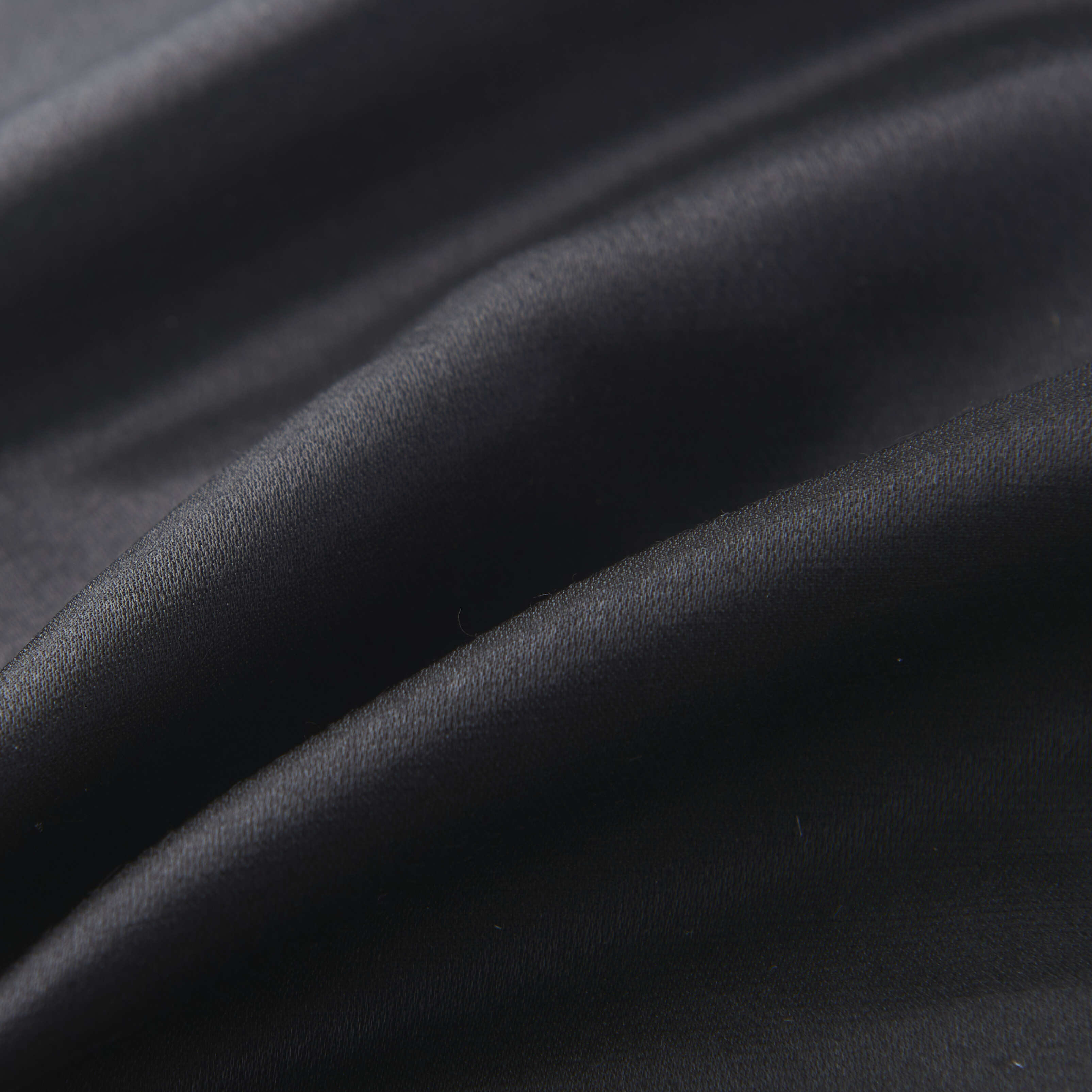
The fashion industry is experiencing a fundamental transformation as luxury brands increasingly embrace sustainable alternatives to traditional fabrics. Among these revolutionary materials, Tencel fashion materials have emerged as a game-changing solution that combines environmental responsibility with exceptional quality. This shift represents more than just a trend—it reflects a growing awareness among high-end fashion houses that consumers demand both luxury and sustainability in their clothing choices.
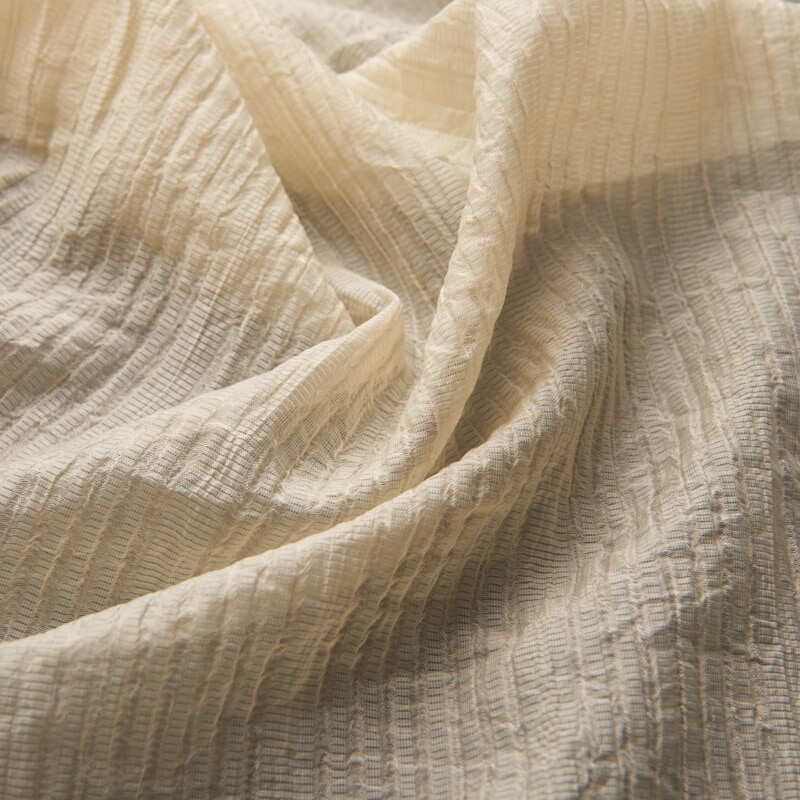
The transition toward sustainable textiles has accelerated dramatically over the past decade, driven by increasing consumer consciousness and stricter environmental regulations. High-end fashion brands, once hesitant to adopt alternative materials due to concerns about quality and performance, now recognize that eco-friendly fabrics can deliver superior results while meeting their sustainability goals. This paradigm shift has positioned innovative materials at the forefront of luxury fashion manufacturing.
The Environmental Impact Revolution
Sustainable Manufacturing Processes
Traditional textile production has long been associated with significant environmental challenges, including excessive water consumption, chemical pollution, and carbon emissions. The fashion industry's environmental footprint extends far beyond the manufacturing phase, encompassing raw material sourcing, transportation, and end-of-life disposal. These concerns have prompted luxury brands to seek alternatives that minimize ecological impact without compromising on quality or aesthetic appeal.
Modern sustainable textile production employs innovative technologies that dramatically reduce environmental impact while maintaining the high standards expected in luxury fashion. Advanced manufacturing processes utilize closed-loop systems that recycle water and chemicals, significantly reducing waste and pollution. These technologies enable the production of premium fabrics that meet the stringent requirements of high-end fashion houses while adhering to environmental best practices.
Circular Economy Integration
The concept of circular economy has become integral to modern fashion manufacturing, particularly in the luxury segment where longevity and quality are paramount. Sustainable materials support circular design principles by offering biodegradability and recyclability options that traditional synthetic fabrics cannot match. This approach aligns perfectly with the luxury market's emphasis on craftsmanship and durability, creating products that maintain their value throughout their lifecycle.
Leading fashion houses are implementing comprehensive sustainability strategies that encompass every aspect of production, from raw material selection to end-of-life considerations. These initiatives demonstrate that environmental responsibility and luxury quality are not mutually exclusive but can be synergistically combined to create superior products. The integration of sustainable practices has become a competitive advantage that resonates strongly with environmentally conscious consumers.
Superior Performance Characteristics
Moisture Management and Comfort
One of the most compelling reasons fashion brands are adopting Tencel fashion materials is their exceptional moisture-wicking properties that surpass traditional natural fibers. These advanced characteristics ensure optimal comfort for wearers, particularly important in high-end garments where comfort is as crucial as appearance. The fiber's unique structure allows for superior breathability while maintaining excellent drape and hand feel.
The molecular structure of these innovative fibers creates natural temperature regulation that adapts to the wearer's body and environmental conditions. This adaptive quality makes them particularly suitable for luxury garments that must perform well across various climates and activities. Fashion designers appreciate the versatility these materials offer, allowing them to create pieces that maintain comfort and elegance regardless of wearing conditions.
Durability and Longevity
High-end fashion demands materials that maintain their appearance and structural integrity through repeated wear and cleaning cycles. Sustainable textile innovations have achieved remarkable durability that often exceeds traditional luxury fabrics in terms of colorfastness, shape retention, and resistance to pilling. These performance characteristics are essential for luxury brands whose reputation depends on product longevity and customer satisfaction.
The enhanced durability of modern eco-friendly materials supports the luxury market's emphasis on investment pieces that retain their value over time. This longevity factor appeals to discerning consumers who prioritize quality over quantity and expect their premium purchases to maintain their appearance and functionality for years. The combination of sustainability and durability creates a compelling value proposition for luxury fashion applications.
Consumer Demand and Market Trends
Shifting Consumer Preferences
Contemporary luxury consumers demonstrate increasingly sophisticated preferences that prioritize ethical and environmental considerations alongside traditional quality and style factors. Market research consistently shows that high-end shoppers are willing to pay premium prices for products that align with their values, particularly regarding environmental sustainability. This consumer evolution has created significant market opportunities for brands that can successfully integrate sustainability into their luxury offerings.
The demographic driving this change includes younger luxury consumers who view sustainability as non-negotiable rather than optional. These consumers actively research brand practices and make purchasing decisions based on environmental and social responsibility factors. Their influence extends beyond individual purchases to social media advocacy that can significantly impact brand reputation and market positioning.
Brand Differentiation Strategies
Luxury fashion houses recognize that sustainability initiatives provide powerful differentiation opportunities in an increasingly competitive market. Brands that pioneer sustainable material adoption often gain first-mover advantages that translate into enhanced brand equity and customer loyalty. This strategic positioning becomes particularly valuable as sustainability requirements become more stringent and widespread across the industry.
The communication of sustainability initiatives has become an integral component of luxury brand marketing strategies. Brands that can authentically demonstrate their commitment to environmental responsibility while maintaining product excellence create compelling narratives that resonate with target consumers. This storytelling aspect adds emotional value to luxury purchases, strengthening the connection between brands and their customers.
Technical Innovation and Manufacturing Excellence
Advanced Fiber Technology
The development of next-generation sustainable fibers represents a culmination of decades of research and innovation in textile science. These materials achieve remarkable performance characteristics through sophisticated molecular engineering that optimizes properties such as strength, flexibility, and moisture management. The resulting fabrics often surpass traditional materials in multiple performance categories while maintaining the luxurious feel expected in high-end applications.
Manufacturing processes for these advanced materials incorporate cutting-edge technology that ensures consistent quality and performance across production batches. Quality control systems monitor every aspect of production to guarantee that finished fabrics meet the exacting standards required for luxury fashion applications. This technological sophistication enables sustainable materials to compete effectively with traditional luxury textiles.
Supply Chain Integration
Successful adoption of sustainable materials requires comprehensive integration throughout the fashion supply chain, from fiber producers to finished garment manufacturers. Leading brands work closely with suppliers to develop customized solutions that meet specific performance and aesthetic requirements while maintaining sustainability principles. This collaborative approach ensures that sustainable materials can be seamlessly incorporated into existing production processes.
Supply chain transparency has become increasingly important as brands seek to verify the sustainability credentials of their materials. Advanced tracking systems enable complete traceability from raw material source to finished product, providing the documentation necessary to support sustainability claims. This transparency builds consumer trust and supports regulatory compliance in markets with strict environmental standards.
Economic Benefits and Cost Considerations
Long-term Value Creation
While sustainable materials may initially require higher investment costs, they often deliver superior long-term value through reduced environmental compliance costs, enhanced brand reputation, and improved customer loyalty. The economic benefits extend beyond direct cost savings to include risk mitigation related to environmental regulations and supply chain disruptions. Forward-thinking brands recognize these comprehensive economic advantages when evaluating material choices.
The premium pricing potential for sustainable luxury products creates opportunities for improved profit margins that can offset higher material costs. Consumers consistently demonstrate willingness to pay premium prices for products that align with their values, particularly in the luxury segment where price sensitivity is typically lower. This pricing power enables brands to invest in sustainable materials while maintaining profitability.
Operational Efficiency Improvements
Many sustainable manufacturing processes offer operational advantages that reduce overall production costs through improved efficiency and waste reduction. These materials often require fewer processing steps and chemicals, simplifying manufacturing while reducing environmental impact. The operational benefits contribute to the overall economic attractiveness of sustainable material adoption.
Energy efficiency improvements associated with sustainable material processing can result in significant cost savings over time. Modern production technologies optimize energy consumption while maintaining or improving output quality, creating ongoing operational advantages. These efficiency gains support the business case for sustainable material adoption beyond environmental considerations.
Future Industry Outlook
Innovation Pipeline
Research and development efforts continue to advance sustainable textile technology, with promising innovations emerging regularly. Future developments are expected to further improve performance characteristics while reducing environmental impact and production costs. The innovation pipeline includes breakthrough technologies that could revolutionize textile manufacturing and expand the applications for sustainable materials.
Collaboration between fashion brands, material suppliers, and research institutions accelerates innovation and ensures that new developments meet market requirements. These partnerships leverage diverse expertise to overcome technical challenges and commercialize breakthrough technologies. The collaborative approach positions the industry for continued advancement in sustainable material development.
Regulatory and Market Evolution
Evolving regulations and market standards increasingly favor sustainable materials, creating additional incentives for brand adoption. Future regulatory requirements are expected to become more stringent, making early adoption of sustainable materials a strategic advantage. Brands that proactively embrace sustainable materials position themselves to meet future requirements while avoiding potential compliance costs and market disruptions.
Market dynamics continue to evolve in favor of sustainable products, with consumer awareness and demand expected to increase further. The convergence of regulatory pressure, consumer demand, and technological advancement creates a powerful momentum toward sustainable material adoption throughout the fashion industry. This alignment of factors suggests that sustainable materials will become increasingly dominant in luxury fashion applications.
FAQ
What makes Tencel fashion materials superior to traditional luxury fabrics
Tencel fashion materials offer exceptional moisture-wicking properties, natural antimicrobial characteristics, and superior durability compared to many traditional luxury fabrics. They provide excellent drape and hand feel while maintaining environmental sustainability, creating an optimal combination for high-end fashion applications. The materials also offer better color retention and resistance to wrinkles, reducing maintenance requirements for luxury garments.
How do sustainable materials impact the cost structure of luxury fashion brands
While initial material costs may be higher, sustainable materials often provide long-term economic benefits through improved operational efficiency, reduced compliance costs, and premium pricing opportunities. Brands can command higher prices for sustainable luxury products, often offsetting increased material costs. Additionally, operational improvements and waste reduction in sustainable manufacturing processes contribute to overall cost optimization.
Are sustainable materials suitable for all types of luxury fashion applications
Modern sustainable materials have been developed to meet the diverse requirements of luxury fashion, from formal wear to activewear applications. Advances in fiber technology and manufacturing processes enable sustainable materials to achieve the performance characteristics required for specific applications. However, selection should consider the specific requirements of each garment type to ensure optimal performance and aesthetic results.
What role does consumer education play in the adoption of sustainable luxury fashion
Consumer education is crucial for communicating the benefits and value proposition of sustainable luxury materials. Brands must effectively communicate both the environmental and performance advantages to justify premium pricing and build consumer confidence. Education initiatives help consumers understand the technical innovations and craftsmanship involved in sustainable material production, supporting purchasing decisions and brand loyalty.
Table of Contents
- The Environmental Impact Revolution
- Superior Performance Characteristics
- Consumer Demand and Market Trends
- Technical Innovation and Manufacturing Excellence
- Economic Benefits and Cost Considerations
- Future Industry Outlook
-
FAQ
- What makes Tencel fashion materials superior to traditional luxury fabrics
- How do sustainable materials impact the cost structure of luxury fashion brands
- Are sustainable materials suitable for all types of luxury fashion applications
- What role does consumer education play in the adoption of sustainable luxury fashion