
 EN
EN
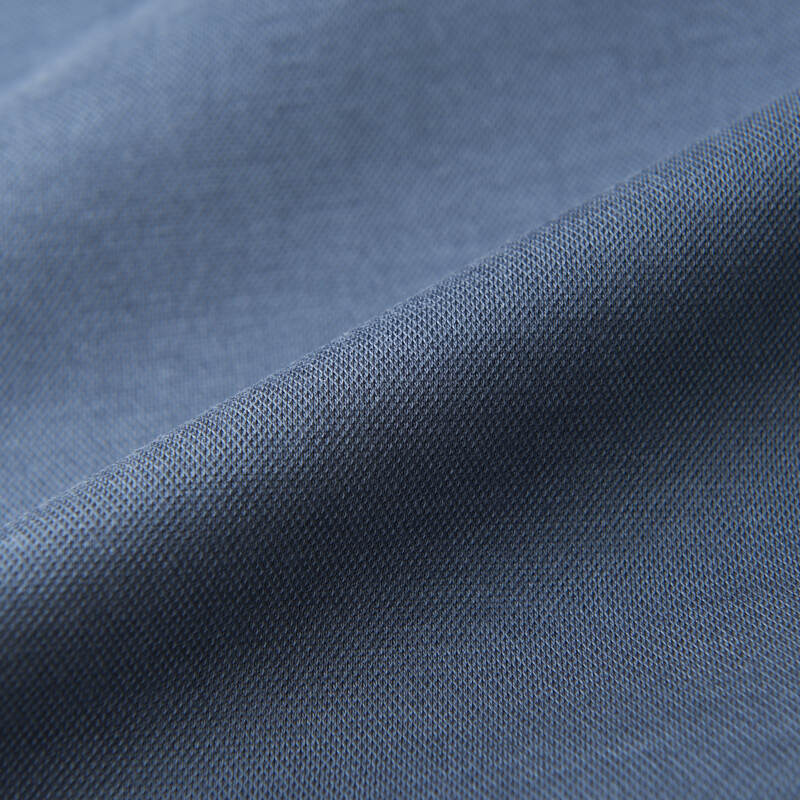
The fashion industry continues to evolve with innovative fabric technologies that prioritize both comfort and style. Among these advancements, rayon nylon crepe has emerged as a revolutionary material that transforms the womenswear experience. This distinctive fabric combines the natural feel of rayon with the durability of nylon, creating a unique textile that addresses the modern woman's need for versatile, comfortable clothing. The crepe weave technique adds an extra dimension of texture and functionality, making this fabric blend particularly appealing for contemporary fashion designers and conscious consumers alike.
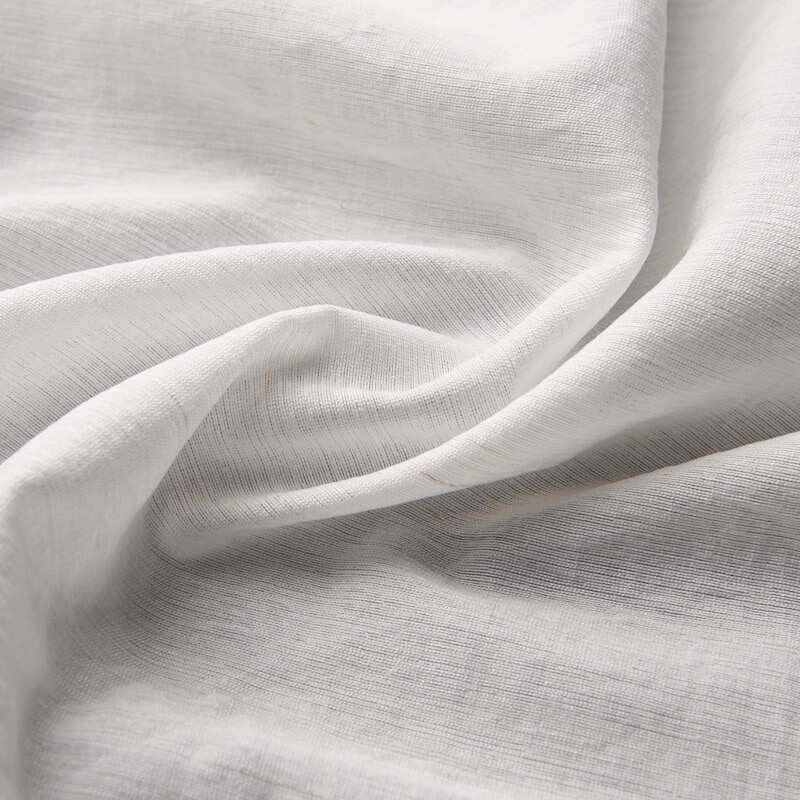
Understanding the Composition and Structure of Rayon Nylon Crepe
The Science Behind Fiber Blending
The creation of rayon nylon crepe involves a sophisticated blending process that maximizes the beneficial properties of both fibers. Rayon contributes breathability, moisture absorption, and a silk-like drape that feels luxurious against the skin. Meanwhile, nylon adds strength, elasticity, and wrinkle resistance to the final fabric. This combination results in a textile that maintains its shape while offering superior comfort throughout extended wear periods.
The crepe weaving technique introduces irregular yarn twists and varied tensions during production, creating the characteristic textured surface. This process not only enhances the visual appeal but also improves the fabric's ability to stretch and recover, making rayon nylon crepe ideal for garments that require both flexibility and structure. The unique construction allows air circulation while maintaining the fabric's integrity under stress.
Texture Development Through Manufacturing
Manufacturing rayon nylon crepe requires precise control over yarn preparation and weaving parameters. The rayon fibers undergo chemical treatment to achieve optimal moisture-wicking properties, while the nylon component is processed to enhance its elastic recovery. During the crepe formation process, alternating high and low twist yarns create the distinctive pebbled surface texture that distinguishes this fabric from smooth alternatives.
Quality control measures ensure consistent texture distribution across the fabric width, preventing irregularities that could compromise garment construction. The finishing processes include heat setting to stabilize the crepe structure and chemical treatments to enhance color retention and reduce shrinkage. These steps are crucial for maintaining the fabric's performance characteristics throughout its lifecycle.
Comfort Enhancement Mechanisms in Womenswear Applications
Breathability and Moisture Management
One of the most significant comfort advantages of rayon nylon crepe lies in its exceptional breathability. The textured surface creates micro-air channels that facilitate air circulation, preventing the buildup of heat and moisture that can cause discomfort during extended wear. This feature is particularly valuable in professional settings where women need to maintain a polished appearance while remaining comfortable throughout long workdays.
The rayon component's natural moisture-absorbing properties work synergistically with the crepe texture to wick perspiration away from the skin. This moisture management system helps maintain a comfortable microclimate between the fabric and the wearer's body, reducing the sticky or clammy sensation often associated with synthetic materials. The quick-drying nature of the blended fabric ensures that any absorbed moisture evaporates rapidly.
Flexibility and Movement Accommodation
The elastic properties of nylon combined with the crepe weave structure provide exceptional flexibility in rayon nylon crepe garments. This flexibility translates to unrestricted movement, allowing women to engage in various activities without feeling constrained by their clothing. The fabric's ability to stretch and recover prevents the formation of permanent wrinkles or distortion, maintaining the garment's original silhouette.
The three-dimensional texture of the crepe surface accommodates body movements by distributing tension across multiple points rather than concentrating stress in specific areas. This distribution mechanism reduces the likelihood of fabric fatigue and extends the garment's lifespan while ensuring consistent comfort throughout the wearing period. The recovery properties ensure that the fabric returns to its original shape after stretching, maintaining a neat appearance.
Design Versatility and Fashion Applications
Draping Characteristics and Silhouette Creation
The unique draping properties of rayon nylon crepe make it exceptionally versatile for various garment styles. The fabric's ability to fall gracefully while maintaining structure allows designers to create both fitted and flowing silhouettes. This versatility is particularly valuable in womenswear, where different occasions require different aesthetic approaches while maintaining comfort as a priority.
The crepe texture adds visual interest to simple designs, eliminating the need for complex embellishments or decorative elements. This characteristic makes rayon nylon crepe ideal for minimalist fashion approaches that rely on fabric quality and construction rather than ornate details. The subtle surface variation catches light differently at various angles, creating depth and dimension in the finished garment.
Color Retention and Aesthetic Durability
The fiber composition of rayon nylon crepe provides excellent dye affinity, resulting in rich, vibrant colors that maintain their intensity over time. The nylon component's chemical resistance protects the fabric from environmental factors that could cause color fading or degradation. This durability ensures that garments retain their visual appeal throughout multiple wearing and cleaning cycles.
The textured surface of the crepe helps camouflage minor stains or wear marks that might be more visible on smooth fabrics. This practical advantage extends the apparent freshness of garments, reducing the frequency of cleaning required and contributing to the overall convenience of rayon nylon crepe clothing. The fabric's resilience to wrinkles also maintains a crisp appearance with minimal maintenance.
Care and Maintenance Considerations
Washing and Drying Protocols
Proper care of rayon nylon crepe garments ensures optimal performance and longevity. The fabric generally responds well to machine washing in cool water with gentle detergents that don't contain harsh chemicals. The nylon component provides durability during the washing process, while the rayon fibers benefit from careful handling to prevent excessive shrinkage or texture loss.
Drying recommendations typically favor air drying or low-heat machine drying to preserve the crepe texture and prevent heat damage to the rayon fibers. The quick-drying nature of the fabric blend makes air drying practical, usually requiring minimal time to achieve complete dryness. Proper drying techniques help maintain the fabric's dimensional stability and texture integrity.
Storage and Wrinkle Prevention
The wrinkle-resistant properties of rayon nylon crepe simplify storage requirements compared to more delicate fabrics. Garments can be folded without significant creasing concerns, though hanging remains the preferred storage method for maintaining optimal drape. The fabric's recovery properties help eliminate minor wrinkles that may develop during storage or transport.
When pressing becomes necessary, the fabric responds well to low to medium heat settings with the use of a pressing cloth to protect the surface texture. The crepe structure naturally disguises minor imperfections, reducing the need for frequent pressing. This low-maintenance characteristic adds to the practical appeal of rayon nylon crepe for busy professionals.
Sustainability and Environmental Considerations
Renewable Resource Utilization
The rayon component of rayon nylon crepe originates from renewable cellulose sources, contributing to the fabric's environmental profile. Modern rayon production methods focus on closed-loop systems that minimize waste and chemical discharge, improving the sustainability of this natural component. The durability provided by the nylon blend extends garment lifespan, reducing the frequency of replacement and associated environmental impact.
Recycling initiatives in the textile industry increasingly include blended fabrics like rayon nylon crepe, offering end-of-life disposal options that minimize landfill contribution. The development of separation technologies allows for the recovery of both fiber types for reuse in new textile applications. This circular approach supports sustainable fashion practices while maintaining the performance benefits of the blended fabric.
Production Efficiency and Resource Conservation
Manufacturing processes for rayon nylon crepe focus on efficiency improvements that reduce water consumption and energy usage. The durability of the finished fabric means fewer resources are required over the product's lifecycle compared to less durable alternatives. This efficiency extends to the consumer level, where reduced maintenance requirements translate to lower water and energy consumption during care.
The versatility of rayon nylon crepe reduces the need for multiple fabric types in a wardrobe, supporting minimalist approaches to fashion consumption. This reduction in variety requirements can decrease overall textile demand while meeting diverse styling needs through a single, high-performance material. The fabric's adaptability to various garment types maximizes utility per unit of textile produced.
FAQ
How does rayon nylon crepe compare to pure rayon fabrics in terms of durability
Rayon nylon crepe significantly outperforms pure rayon in durability due to the nylon component's strengthening properties. While pure rayon is prone to weakness when wet and may lose shape over time, the nylon blend maintains structural integrity through multiple wash cycles. The crepe weave structure further distributes stress, preventing localized wear points that could compromise the fabric's longevity. This enhanced durability makes rayon nylon crepe a more practical choice for everyday womenswear applications.
Can rayon nylon crepe maintain its texture after repeated washing
The texture of rayon nylon crepe remains remarkably stable throughout normal care cycles when proper washing and drying techniques are followed. The nylon fibers provide structural support that prevents the crepe texture from flattening or distorting, while the rayon maintains its natural drape characteristics. Cold water washing and gentle handling preserve the three-dimensional surface structure that contributes to the fabric's unique appearance and comfort properties.
Is rayon nylon crepe suitable for sensitive skin types
Many individuals with sensitive skin find rayon nylon crepe comfortable due to its smooth surface texture and breathable properties. The rayon component provides natural moisture absorption without the synthetic feel that some people find irritating, while the crepe texture prevents the fabric from clinging to the skin. However, as with any textile, individual sensitivities vary, and those with specific fabric allergies should test the material before making extensive wardrobe investments.
What makes rayon nylon crepe more comfortable than traditional woven fabrics
The superior comfort of rayon nylon crepe stems from its unique combination of breathability, flexibility, and moisture management. Unlike traditional woven fabrics that may trap heat and restrict movement, the crepe structure creates air channels that promote ventilation while the nylon content provides stretch for unrestricted motion. The rayon component's natural moisture-wicking properties keep the wearer dry and comfortable, making this fabric particularly suitable for professional and active lifestyles.