
 EN
EN


When designers and product developers choose a bio-based water-repellent fabric, one of the first practical questions is how it will influence the finished garment. Bio-based water-repellent fabric carries distinct physical properties compared to conventional synthetics, and those properties directly shape how a garment feels, moves, and performs. Understanding this relationship is essential for anyone sourcing bio-based water-repellent fabric for performance apparel, outerwear, or technical wear.
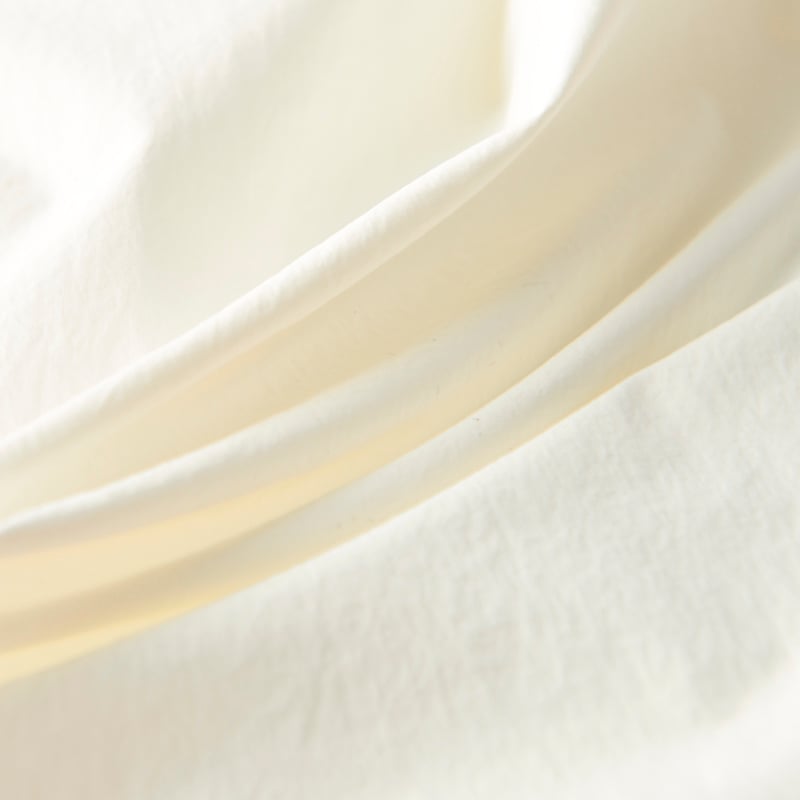
Bio-based water-repellent fabric is engineered using plant-derived or bio-renewable polymer sources, then treated with durable water repellency (DWR) finishes that are free from persistent fluorochemicals. The result is a bio-based water-repellent fabric that balances environmental responsibility with genuine technical function. This article explores specifically how bio-based water-repellent fabric affects two critical garment attributes — weight and drape — and what that means for design and end-use performance.
How Bio-Based Water-Repellent Fabric Influences Garment Weight
Base Fiber Density and Its Role in Overall Weight
The weight of any bio-based water-repellent fabric starts with the base polymer. Bio-based nylon, for example, is derived from castor oil and shares a similar molecular structure to conventional nylon, which means bio-based water-repellent fabric built on this foundation can achieve very low fabric weights. When a bio-based water-repellent fabric uses fine-denier yarns — often 20D to 40D — the resulting fabric weight can sit between 40 and 80 gsm, making it genuinely competitive with petroleum-based alternatives. This lightweight characteristic is one of the strongest advantages of bio-based water-repellent fabric in performance apparel.
It is also worth noting that bio-based water-repellent fabric produced from bio-polyester or bio-nylon tends to have a slightly lower density than fabrics treated with older fluorinated DWR systems. Traditional fluorinated coatings added measurable weight to the fabric surface, whereas modern fluorine-free DWR finishes used on bio-based water-repellent fabric are thinner and lighter. This means the treated bio-based water-repellent fabric retains a cleaner, lighter hand feel without sacrificing repellency performance.
DWR Treatment and Added Weight Considerations
Every bio-based water-repellent fabric undergoes some form of water-repellent finishing. The type of DWR applied to bio-based water-repellent fabric matters significantly. C6 or C0 fluorine-free DWR treatments used on bio-based water-repellent fabric today add minimal weight compared to older C8 fluorocarbon systems. Wax-based or silicone-based DWR, which some manufacturers apply to bio-based water-repellent fabric for a more natural profile, can add slightly more weight but also contribute to a softer surface texture. Designers working with bio-based water-repellent fabric should evaluate the DWR system alongside the base weight to understand the final fabric's total weight specification accurately.
How Bio-Based Water-Repellent Fabric Shapes Garment Drape
Yarn Structure and Drape Behavior
Drape is one of the more nuanced qualities of bio-based water-repellent fabric, and it is directly connected to the yarn structure and weave construction used. Bio-based water-repellent fabric woven in a plain or ripstop construction tends to be crisper, offering structured drape that suits technical outerwear and shell jackets. In contrast, bio-based water-repellent fabric with a twill or satin weave produces a softer, more fluid drape that works well in transitional jackets, casual tops, and lightweight travel garments. Choosing the right weave structure for bio-based water-repellent fabric is therefore just as important as selecting the correct weight.
Bio-based water-repellent fabric made from bio-nylon fibres tends to have a naturally smooth surface and good elastic recovery, which helps the fabric return to shape after stress. This recovery behaviour gives bio-based water-repellent fabric a clean, controlled drape rather than a limp or overly stiff fall. Compared to cotton-based water-repellent treatments, bio-based water-repellent fabric maintains its drape properties even after repeated washing, since the bio-polymer fibres are less prone to water absorption and structural deformation.
Coating and Laminate Effects on Drape
Some bio-based water-repellent fabric constructions incorporate a thin laminate or membrane layer for enhanced waterproofing. When a membrane is bonded to bio-based water-repellent fabric, the drape naturally becomes stiffer and more structured. However, advances in bio-based membrane technology mean that modern bio-based water-repellent fabric with a laminate can still achieve a relatively soft drape compared to older bonded fabrics. If drape softness is a priority, specifying a 2-layer bio-based water-repellent fabric rather than a 3-layer construction will preserve more of the fabric's natural movement. For applications where bio-based water-repellent fabric will be used in unlined outerwear or packable designs, a DWR-only finish without lamination will consistently deliver a lighter, more fluid drape.
Balancing Weight and Drape When Specifying Bio-Based Water-Repellent Fabric
Practical Guidance for Designers and Sourcing Teams
When specifying bio-based water-repellent fabric, weight and drape should be evaluated together as a system rather than separately. A bio-based water-repellent fabric that is very lightweight — under 60 gsm — may exhibit a slightly more transparent and airy drape, which is ideal for athletic and packable outerwear but may feel insufficient for structured fashion outerwear. A mid-weight bio-based water-repellent fabric in the 80 to 120 gsm range typically offers the most versatile drape profile, combining enough body for structured silhouettes with enough softness for comfortable wearability. Testing bio-based water-repellent fabric samples in context — on a dress form or in a wear trial — is always the most reliable way to confirm that the weight and drape meet the design brief.
Sourcing teams should also consider how bio-based water-repellent fabric performs across wash cycles, since DWR finishes on bio-based water-repellent fabric can diminish over time. Some bio-based water-repellent fabric constructions offer re-activatable DWR, which means the repellency and the associated weight and surface texture remain consistent across the garment lifecycle. Specifying a bio-based water-repellent fabric with a certified and re-activatable DWR finish ensures that the weight and drape qualities observed during development are maintained by the end consumer.
FAQ
Does bio-based water-repellent fabric weigh more than conventional water-repellent fabric?
Not necessarily. Bio-based water-repellent fabric using modern fluorine-free DWR finishes is often comparable in weight to conventional water-repellent fabric. In many cases, bio-based water-repellent fabric achieves a similar or lighter weight because newer DWR systems apply a thinner coating layer than older fluorocarbon treatments.
Will bio-based water-repellent fabric lose its drape quality after washing?
Bio-based water-repellent fabric generally maintains its drape well after washing because the bio-polymer fibres resist water absorption. However, the DWR finish on bio-based water-repellent fabric may gradually reduce in effectiveness, which can slightly alter the surface texture. Tumble drying or re-applying DWR spray helps restore the finish and preserve the original drape of the bio-based water-repellent fabric.
Is bio-based water-repellent fabric suitable for structured outerwear as well as soft drape applications?
Yes. Bio-based water-repellent fabric is versatile across both applications. For structured outerwear, a ripstop or plain-weave bio-based water-repellent fabric in a mid to heavy weight provides the necessary body and form retention. For soft drape applications such as packable jackets or travel layers, a fine-denier, lightweight bio-based water-repellent fabric in a twill or satin weave delivers the fluid movement designers require.