
 EN
EN

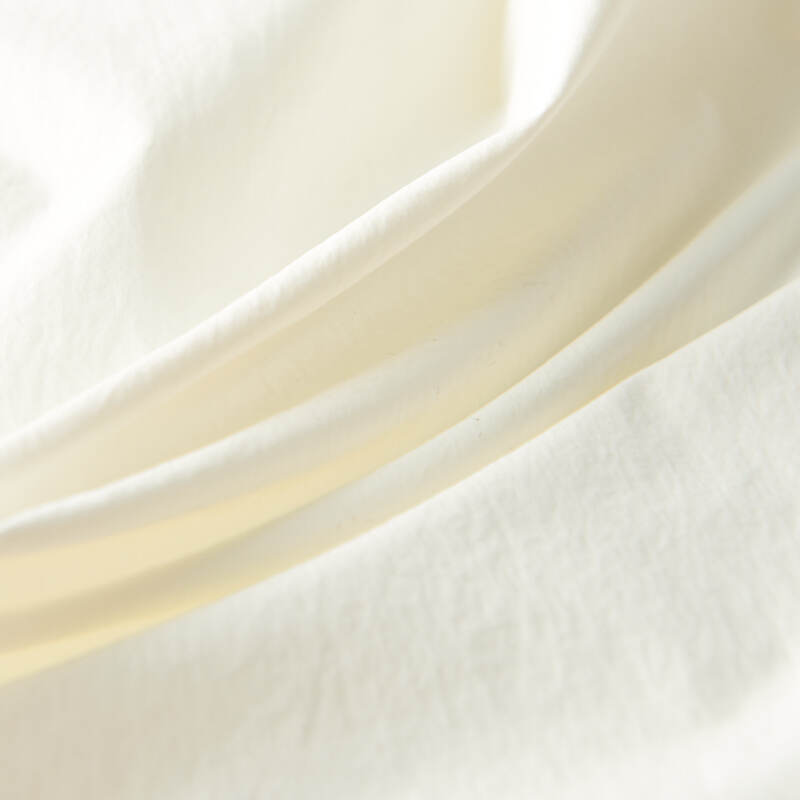
The Evolution of Sustainable Performance Fabrics
The athletic apparel industry is witnessing a remarkable transformation as bio-based nylon emerges as a game-changing material in sportswear manufacturing. This innovative fabric technology represents a significant leap forward in combining performance characteristics with environmental consciousness, addressing both the technical demands of athletes and the growing call for sustainability in fashion.
Traditional petroleum-based nylon has long dominated the sportswear sector, but bio-based nylon is rapidly gaining traction as a superior alternative. Derived from renewable resources such as castor beans, corn starch, and other plant-based materials, this revolutionary fabric maintains all the performance benefits of conventional nylon while significantly reducing environmental impact.
Technical Performance Characteristics
Moisture Management and Breathability
Bio-based nylon exhibits exceptional moisture-wicking properties, making it ideal for high-intensity athletic activities. The fabric's molecular structure allows sweat to move away from the skin and spread across the material's surface, where it can evaporate quickly. This enhanced moisture management helps maintain optimal body temperature and prevents the clammy feeling often associated with synthetic materials.
The natural construction of bio-based nylon creates microscopic channels that facilitate airflow, resulting in superior breathability compared to traditional synthetics. Athletes wearing bio-based nylon garments experience better temperature regulation, even during prolonged exercise sessions in varying weather conditions.
Durability and Shape Retention
One of the most impressive aspects of bio-based nylon is its exceptional durability. The molecular alignment of the bio-based polymers creates strong fiber bonds that resist wear and tear, making garments highly resistant to abrasion. This durability translates to longer-lasting sportswear that maintains its shape and performance characteristics even after numerous wash cycles.
The material's natural elasticity and recovery properties ensure that sportswear maintains its fit and shape throughout extended use. Whether in compression gear or loose-fitting training apparel, bio-based nylon demonstrates remarkable resilience against stretching and sagging.
Environmental Benefits and Sustainability
Reduced Carbon Footprint
The production of bio-based nylon generates significantly lower greenhouse gas emissions compared to its petroleum-based counterpart. The renewable raw materials used in its manufacture sequester carbon during growth, creating a more balanced carbon cycle. Studies have shown that bio-based nylon production can reduce carbon emissions by up to 40% compared to conventional nylon manufacturing processes.
The sustainable production process extends beyond just emissions reduction. Bio-based nylon requires less water and energy during manufacturing, contributing to a more environmentally conscious supply chain in the sportswear industry.
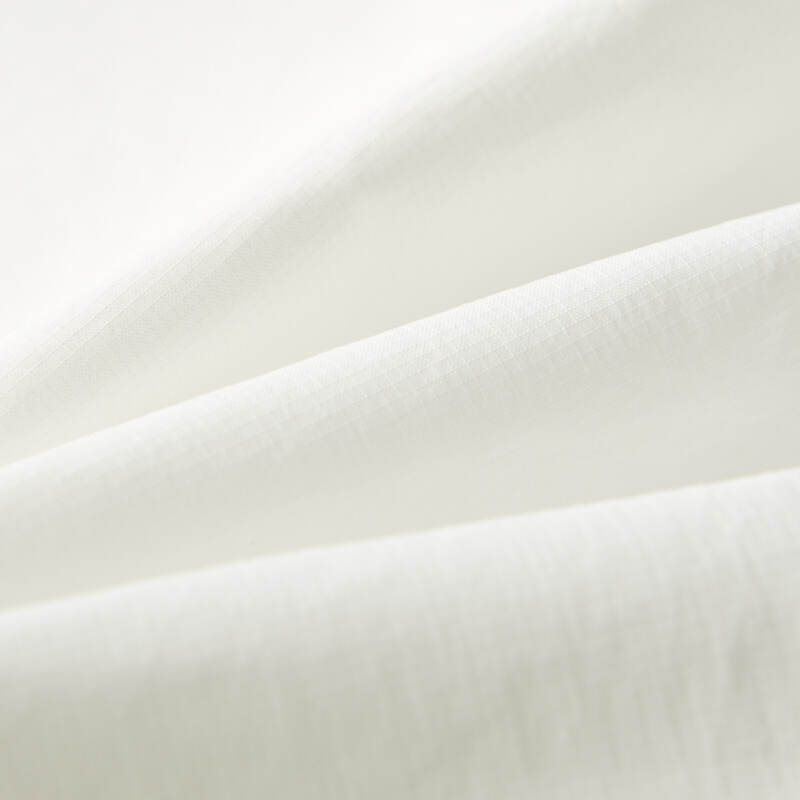
End-of-Life Considerations
While bio-based nylon isn't automatically biodegradable, its renewable source materials make it a more sustainable choice from a life-cycle perspective. Many manufacturers are developing innovative recycling programs specifically for bio-based nylon products, ensuring that these materials can be repurposed into new products rather than ending up in landfills.
The circular economy potential of bio-based nylon is particularly promising, as advancements in chemical recycling technologies make it possible to break down and reconstitute the material multiple times without significant loss of quality.
Comfort and User Experience
Tactile Properties
Athletes consistently report superior comfort when wearing bio-based nylon sportswear. The material offers a soft, smooth feel against the skin while maintaining the technical performance properties required for athletic activities. The natural molecular structure of bio-based nylon creates a more pleasant tactile experience compared to traditional synthetic materials.
The fabric's inherent moisture-wicking properties contribute to a dry, comfortable feel during intense workouts. Additionally, bio-based nylon exhibits excellent temperature regulation properties, helping athletes stay comfortable across a wide range of environmental conditions.
Movement and Flexibility
Bio-based nylon demonstrates exceptional flexibility and range of motion, crucial for athletic performance. The material's natural elasticity allows for unrestricted movement while maintaining necessary compression and support. Whether used in yoga pants, running shorts, or compression gear, bio-based nylon moves seamlessly with the body without binding or restricting.
The material's lightweight nature contributes to improved athletic performance, as athletes can move freely without feeling weighed down by their clothing. This combination of flexibility and lightweight properties makes bio-based nylon particularly suitable for high-performance sportswear.
Market Impact and Future Developments
Industry Adoption Trends
Major sportswear brands are increasingly incorporating bio-based nylon into their product lines, recognizing both its performance benefits and appeal to environmentally conscious consumers. The market for bio-based nylon sportswear is experiencing rapid growth, with industry analysts projecting continued expansion in the coming years.
Consumer demand for sustainable athletic wear has created a strong incentive for manufacturers to invest in bio-based nylon technology. This market pressure is driving innovation in production methods and applications, leading to an ever-expanding range of bio-based nylon sportswear options.
Technological Innovations
Ongoing research and development in bio-based nylon technology continues to yield improvements in performance characteristics and sustainability metrics. Scientists are exploring new renewable source materials and refining production processes to enhance both the environmental benefits and technical capabilities of bio-based nylon.
Recent innovations include enhanced UV protection properties, improved moisture management systems, and advanced antimicrobial treatments specifically designed for bio-based nylon. These developments are expanding the material's potential applications in high-performance sportswear.
Frequently Asked Questions
How does bio-based nylon compare to regular nylon in terms of durability?
Bio-based nylon matches or exceeds the durability of traditional nylon, offering excellent resistance to wear and tear, maintaining shape retention, and withstanding repeated washing cycles. Its molecular structure provides comparable or superior strength while being derived from renewable resources.
Is bio-based nylon more expensive than conventional nylon sportswear?
While bio-based nylon products may currently carry a slightly higher price point due to newer production technologies and scaling factors, the cost difference is decreasing as manufacturing processes become more efficient and widespread. The longer lifespan and superior performance characteristics often justify the investment.
Can bio-based nylon sportswear be recycled?
Yes, bio-based nylon can be recycled through specialized programs and facilities. Many manufacturers are developing closed-loop recycling systems specifically for bio-based nylon products, allowing the material to be broken down and reformed into new garments while maintaining its performance properties.