All Categories
biobased waterrepellent fabric price-0

Home > 

biobased waterrepellent fabric price

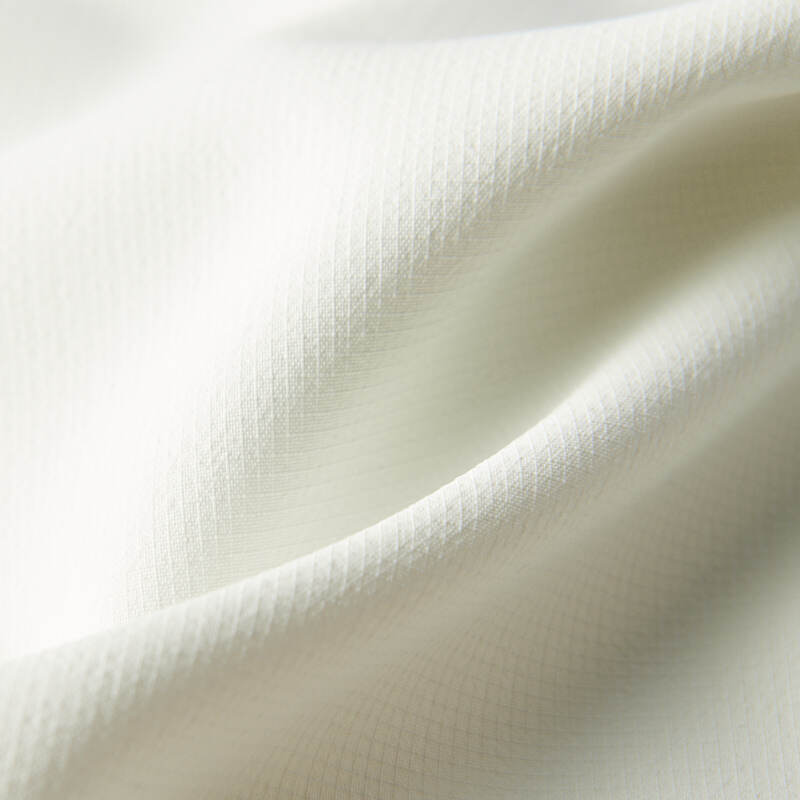
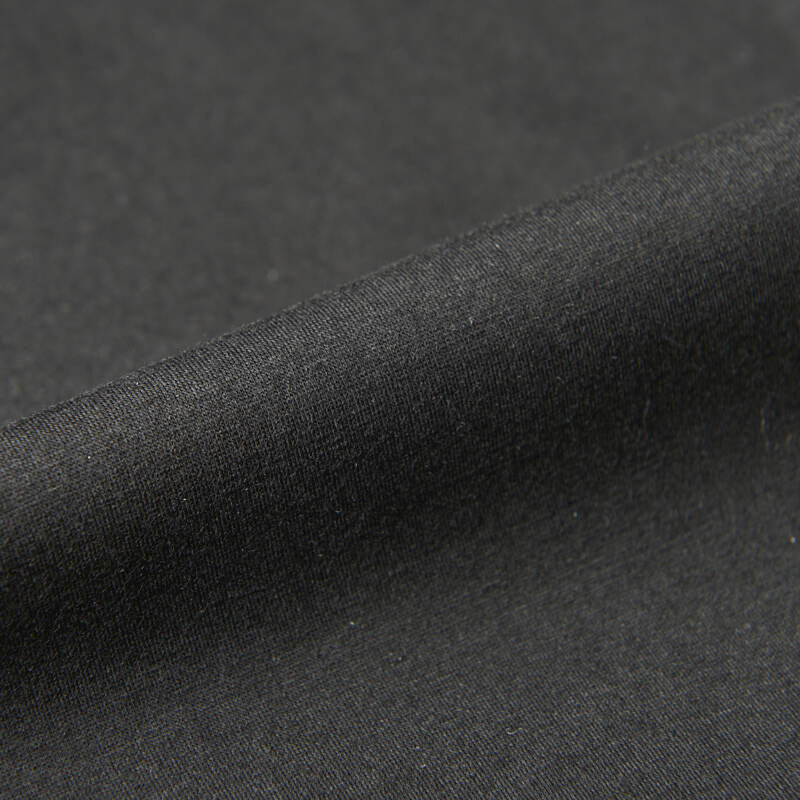
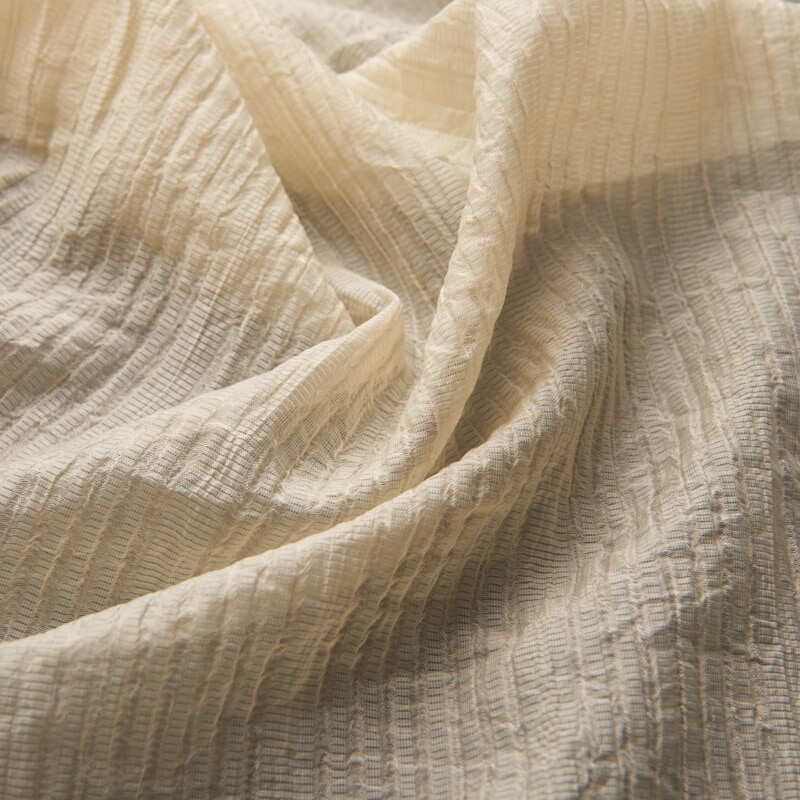
Biobased waterrepellent fabric represents a sustainable and innovative solution in the textile industry, with pricing that reflects its advanced technology and eco-friendly characteristics. The fabric's price point typically ranges from $8 to $25 per yard, depending on composition and performance specifications. This revolutionary material combines natural fibers with bio-engineered treatments, creating a sustainable alternative to traditional petroleum-based water repellent textiles. The pricing structure accounts for the sophisticated manufacturing process, which includes the application of plant-based repellent coatings and environmentally conscious production methods. These fabrics maintain their water-repellent properties through multiple wash cycles, offering durability that justifies their market positioning. The price range varies based on factors such as fiber content, treatment intensity, and bulk ordering quantities. Manufacturers often provide tiered pricing systems for commercial clients, while retail customers can expect premium pricing reflective of the product's sustainable nature and performance capabilities. The cost structure also incorporates certifications and compliance with environmental standards, ensuring customers receive verified sustainable products.

New Product Releases

The pricing structure of biobased waterrepellent fabrics offers several compelling advantages that justify the investment. First, the long-term cost effectiveness becomes apparent through the fabric's extended lifespan and reduced need for reapplication of treatments. Users benefit from significant savings on maintenance and replacement costs compared to conventional water-repellent materials. The price point reflects the integration of cutting-edge bio-technology that ensures consistent performance without harmful environmental impact. The fabric's durability translates to fewer replacements over time, contributing to overall cost efficiency. Additionally, the pricing includes the value of environmental certifications and sustainable production methods, which can help companies meet their ESG goals and appeal to eco-conscious consumers. Bulk purchase options and volume discounts make these fabrics increasingly accessible to manufacturers and large-scale projects. The investment in biobased waterrepellent fabrics often results in enhanced brand reputation and market differentiation, particularly in industries where sustainability is a key selling point. Commercial users benefit from reduced chemical treatment costs and simplified maintenance procedures. The price structure also accounts for the fabric's versatility across various applications, from outdoor gear to architectural textiles, providing excellent value for specialized uses. The increasing market demand for sustainable textiles suggests potential for value appreciation and competitive advantage in various sectors.

Practical Tips

What Are the Benefits of Using Bio-Based Materials in Textiles?

12

Aug

What Are the Benefits of Using Bio-Based Materials in Textiles?

View More
How Do Bio-Based Materials Improve Fabric Sustainability?

12

Aug

How Do Bio-Based Materials Improve Fabric Sustainability?

View More
How Do Natural Fibers Enhance Fabric Comfort and Breathability?

12

Aug

How Do Natural Fibers Enhance Fabric Comfort and Breathability?

View More
How Do Synthetic Fibers Improve Fabric Durability?

12

Aug

How Do Synthetic Fibers Improve Fabric Durability?

View More

Get a Free Quote

Our representative will contact you soon.
Email
Name
Company Name
Message
0/1000

biobased waterrepellent fabric price

Cost-Effective Sustainability

Cost-Effective Sustainability

The pricing model of biobased waterrepellent fabrics represents a strategic balance between environmental responsibility and economic viability. While the initial cost may be higher than conventional alternatives, the long-term value proposition is compelling. The fabric's durability and reduced need for chemical treatments result in lower maintenance costs over its lifetime. Additionally, the price includes the value of environmental certifications and sustainable production processes, which can lead to marketing advantages and brand premium opportunities. The cost structure reflects the advanced research and development invested in creating eco-friendly water repellent solutions that maintain high performance standards.
Performance-Based Pricing Tiers

Performance-Based Pricing Tiers

The pricing structure is carefully designed to reflect different performance levels and applications. Premium grades offer enhanced durability and water repellency for demanding applications, while standard options provide reliable performance for general use. This tiered approach allows customers to select the most cost-effective solution for their specific needs. The pricing also accounts for customization options, including specific water repellency ratings, breathability requirements, and additional functional treatments. Volume-based pricing incentives make these innovative fabrics more accessible for large-scale manufacturing operations.
Market Positioning and Value Chain Integration

Market Positioning and Value Chain Integration

The price point of biobased waterrepellent fabrics positions them as premium sustainable alternatives in the textile market. This positioning reflects not only the advanced technology and superior performance but also the complete value chain integration from raw material sourcing to final product delivery. The pricing structure supports fair compensation for sustainable farming practices and eco-friendly processing methods. It also includes investments in research and development for continuous improvement of bio-based technologies. The market positioning helps manufacturers differentiate their products and capture value in the growing sustainable textiles segment.

Get a Free Quote

Our representative will contact you soon.
Email
Name
Company Name
Message
0/1000